Tarim Desert Highway Zero-Carbon Demonstration Project Generates Over 15 Million KWh of Green Power
China National Petroleum Corporation announced that the cumulative green power generated by the Tarim Desert Highway Zero-Carbon Demonstration Project has exceeded 15 million kilowatt-hours since its commissioning. Stretching through the Taklamakan Desert, known as the "Sea of Death", this vital transportation artery has provided a replicable practical model for the zero-carbon operation of desert highways and desertification control in China.
The Tarim Desert Highway, fully opened to traffic in 1995, stretches 522 kilometers and holds the title of the longest graded highway crossing a mobile desert in the world. To resist wind and sand erosion, an ecological shelterbelt with a total length of 436 kilometers and a total area of over 3,100 hectares has been built along the highway, with 109 water source wells installed to provide drip irrigation for desert vegetation. Recently, as the Haloxylon ammodendron forests along the highway enter their flowering period, the maintenance and irrigation of the shelterbelt have entered the busiest period of the year, with all 109 well houses along the highway using photovoltaic green power for water pumping and irrigation operations.
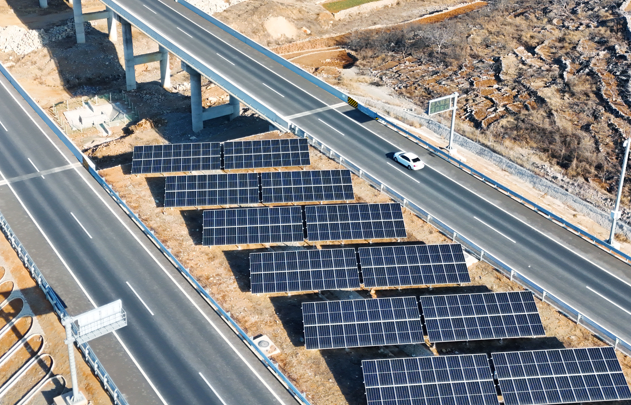
Up to now, the Tarim Desert Highway Zero-Carbon Demonstration Project has achieved a cumulative power generation of over 15 million kWh, with a stable daily power generation of more than 11,000 kWh. Calculations show that this 15 million kWh of green power has replaced more than 4,100 tons of diesel consumption and reduced carbon dioxide emissions by approximately 14,200 tons, equivalent to adding nearly 800,000 carbon-sequestering trees in the desert. China Energy News reported that the project’s green power application not only ensures the normal operation of the desert highway but also effectively supports the ecological protection of the Taklamakan Desert.
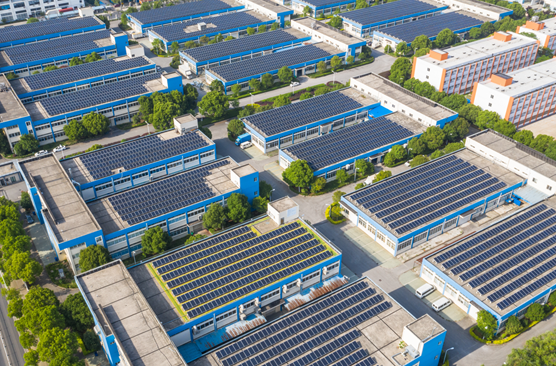
At present, Tarim Oilfield has built 5 large-scale ground photovoltaic power stations and 239 distributed photovoltaic projects in the Tarim Basin, with a total installed capacity of 2.6 million kilowatts. These photovoltaic projects form a complementary energy supply system with the zero-carbon demonstration project on the Tarim Desert Highway, laying a solid foundation for the long-term zero-carbon operation of the highway and the sustainable development of desert ecological protection.
In the future, the zero-carbon operation model of the Tarim Desert Highway will be further optimized and promoted to more desert areas in China. More distributed photovoltaic projects will be built along desert highways to expand the coverage of green power supply, ensuring the stable operation of ecological shelterbelts and reducing the environmental impact of highway operation. China National Petroleum Corporation will continue to increase investment in desert zero-carbon projects, integrating photovoltaic power generation with desertification control to achieve coordinated development of transportation, energy conservation and ecological protection.
The stable operation of the Tarim Desert Highway Zero-Carbon Demonstration Project has proved the feasibility of zero-carbon operation in harsh desert environments. Its replicable experience will provide valuable reference for global desert highway construction and desertification control, demonstrating China’s achievements in green energy application and ecological protection.
热门内容推荐