China expands diversified fruit import channels to enrich domestic market supply
China has continued to expand cross-border fruit import channels and optimize its overseas supply structure throughout 2026, bringing richer fruit varieties to the domestic consumer market and further diversifying imported agricultural product sources. According to official customs statistics, China’s total imports of fruits and related products reached USD 6.49 billion in the first four months of 2026, representing a year-on-year increase of 3.7 percent and accounting for 9.5 percent of the country’s total agricultural import value.
Import performance varies significantly across major fruit categories. Cherry imports recorded USD 1.84 billion, down 25.9 percent year on year. In stark contrast, durian imports surged 205.1 percent year on year to USD 1.7 billion, reflecting robust market demand for premium tropical fruits. Banana imports posted a mild year-on-year growth of 3.6 percent at USD 410 million. Overall, the country’s fruit import sector maintains stable operational fundamentals with structural adjustment underway.
China has added multiple new overseas fruit supply sources in June 2026 to further expand bilateral agricultural trade. Per announcements from the General Administration of Customs of China, fresh jackfruit from Vietnam has officially entered the Chinese market via general trade starting June 1. All imported Vietnamese fresh jackfruit comes from bilaterally verified orchards and processing facilities, with full traceability mechanisms implemented throughout the whole supply chain to prevent the introduction of alien pests and ensure biosecurity compliance. The newly introduced tropical fruit enriches domestic summer fresh fruit selections and streamlines agricultural trade links under the Regional Comprehensive Economic Partnership framework.
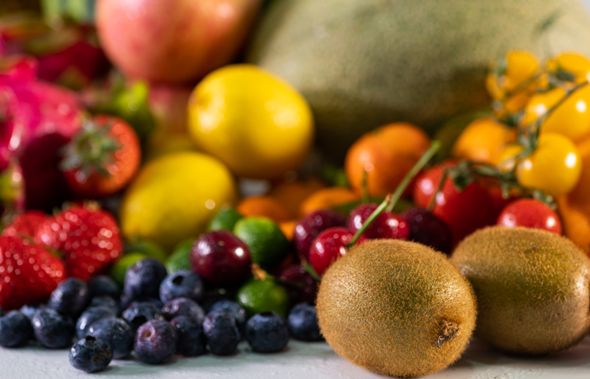
In another breakthrough for China-EU agricultural cooperation, fresh apples from Belgium have obtained official market access approval in early June. As a traditional major fruit-growing region in Europe, Belgium boasts diverse high-quality apple and pear varieties with stable quality standards. All Belgian orchards, packaging enterprises and cold chain facilities involved in export business must complete bilateral official registration and strictly implement standardized pest and disease prevention and control measures, ensuring all imported fruits meet China’s quarantine requirements. The new import arrangement supplements high-quality temperate fruit resources for domestic consumers and deepens practical trade cooperation between China and European agricultural producers.
China maintains rigorous quarantine supervision while steadily expanding fruit import capacity. The country has actively carried out market access cooperation with major fruit-producing regions worldwide, forming a diversified import layout covering Southeast Asia, Europe, Central Asia and other regions. Imported product categories now include fresh tropical fruits, temperate fruits and frozen fruit products, forming a comprehensive and multi-layered supply system for the domestic market.
The steady growth of fruit import volume and the continuous launch of new overseas fruit varieties reflect upgrading domestic consumption demand for high-quality and specialty agricultural products. The expansion of diversified import sources also demonstrates China’s ongoing efforts to advance high-level market opening-up. Abundant imported fruit resources effectively meet diverse consumer preferences and drive the upgrading and optimized development of the domestic fruit industry ecosystem.
Global agricultural trade cooperation will continue to deepen in the future. More specialty fruits from different countries will gain access to the Chinese consumer market. China will keep optimizing cross-border agricultural trade channels under standardized biosecurity supervision, introducing more high-quality global agricultural products to serve domestic market demand.
热门内容推荐