Shenzhen Airport Cargo Volumes Maintain Dual Domestic and International Growth Through First Five Months of 2026
According to stock exchange filings released by Shenzhen Airport on the Shenzhen Stock Exchange, the hub has published its operational performance report covering May 2026, recording steady expansion across both domestic and cross-border cargo streams.
Total air cargo and mail throughput hit 173,400 tonnes in May, marking a year-on-year uplift of 2.78 per cent. Domestic cargo volumes stood at 86,000 tonnes, a rise of 3.63 per cent against the same month twelve months prior, while international cargo reached 81,600 tonnes with an annual growth rate of 2.46 per cent.
Cumulative figures for the January to May period outline consistent upward momentum. The airport handled a combined 810,900 tonnes of cargo over the five-month window, representing a 1.95 per cent year-on-year increase. Domestic cargo accumulated 392,600 tonnes, up 2.89 per cent, and international cargo totalled 390,900 tonnes with a 1.11 per cent annual improvement. Both cargo segments have delivered consecutive monthly growth across the full five-month stretch. Passenger throughput for the first five months reached 28.409 million travellers, an increase of 3.64 per cent year on year.
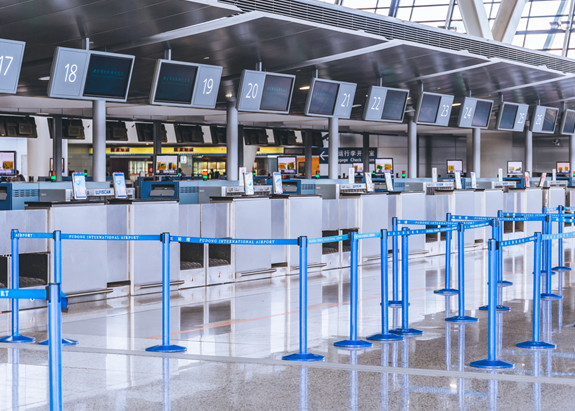
A series of infrastructure and network upgrades at the airport lay groundwork for sustained cargo expansion. The third runway entered full operational service at the end of November 2025, enabling coordinated scheduling across three runways. Additional landing and take-off slots dedicated to all-cargo aircraft have eased previous constraints on freight flight timetables, accommodating surging outbound shipments during peak trading cycles.
The Northern Cargo Zone, a key provincial and municipal transport infrastructure scheme, sits adjacent to the third runway. Once fully finished, the facility will add an annual cargo handling capacity exceeding 1.8 million tonnes. Standardised warehousing and specialised cold storage bays form part of the supporting infrastructure, designed to cater to high-end manufacturing goods, fresh produce cold chain consignments and cross-border e-commerce shipments. The development finalises the airport’s master layout of three passenger terminals, three cargo zones and three runways, with long-term capacity set to support annual cargo throughput of 4.5 million tonnes.
Tender documents for renovation works within airfield cargo handling zones were published on 19 June, with total investment pegged at approximately 21.05 million yuan. The project will reconfigure ground handling routes to cut transit times for goods moving across the airside apron. Construction also progresses on Phase Two of the Southern New International Cargo Terminal, known as B4 Terminal. Completion of this facility will add 200,000 tonnes of annual capacity for general international freight, expanding end-to-end services including cargo acceptance, security screening and distribution to match rising demand for airborne manufactured goods and cross-border parcel deliveries.
Ongoing physical upgrades and expanded flight slot availability create a stable operational framework to absorb rising cross-border trade volumes passing through South China’s core air freight hub. Continuous expansion of dedicated cargo infrastructure will keep pace with shifting logistics patterns for regional export and import supply chains.
热门内容推荐