China’s State Grid Kicks Off Construction on Brazil’s Largest Ever Transmission Concession Project
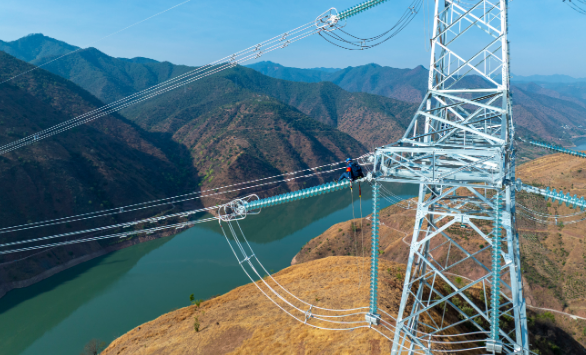
According to domestic official media reports, full-scale construction has commenced on the ±800kV ultra-high voltage direct current (UHVDC) transmission project for new energy delivery in northeastern Brazil. Developed, invested, built and operated independently by State Grid Brazil Holding, the scheme stands as the largest transmission concession project ever launched in Brazil in terms of investment scale.
It marks the third UHV transmission project implemented overseas by State Grid Corporation of China, following the successful delivery of the Belo Monte UHV Phase I and Phase II initiatives. The entire infrastructure is scheduled for full operational launch in 2029, with a licensed concession operation period spanning 30 years.
The project comprises a 1,468-kilometre ±800kV UHVDC transmission line, two converter stations and a full suite of supporting auxiliary facilities. Boasting a rated transmission capacity of 5 gigawatts, the power corridor traverses multiple Brazilian states to realise long-distance and large-capacity power delivery across regional grids.
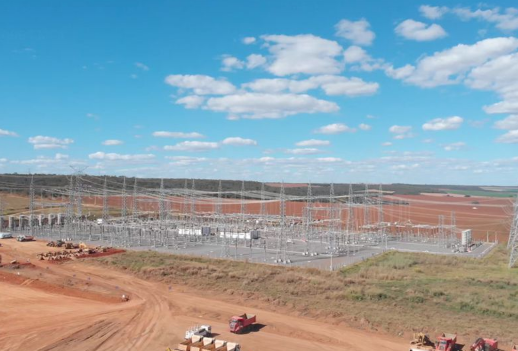
Adopting mature and reliable Chinese UHV DC transmission technologies, the new energy-focused corridor will break existing operational bottlenecks restricting wind and solar power utilisation in northeastern Brazil. The integrated transmission framework centralises scattered clean energy resources across the region and delivers stable power supply to Brazil’s capital metropolitan area.
Once fully commissioned, the project will optimise Brazil’s national energy resource allocation mechanism and accelerate the low-carbon transition of the country’s power mix. The upgraded cross-state power transmission capacity will strengthen grid stability and energy supply security for major load centres, laying solid infrastructure support for the scaled development of Brazil’s renewable energy sector.
Ongoing construction progress will advance in line with unified technical standards and local environmental regulations. Subsequent operational optimisation and grid docking work will proceed steadily to ensure the project delivers sustained clean energy transmission benefits upon completion.
热门内容推荐