China’s Renewable Energy Bolsters Summer Power Supply amid Extreme High-temperature Weather
BEIJING, 8 July — Widespread sustained high temperatures have swept across multiple regions of China since the start of summer, triggering frequent regional heatwave alerts. Surging power demand for residential cooling and industrial temperature control has pushed the national power system into a critical peak supply period. Expanding renewable energy installed capacity has become a core green pillar supporting stable summer power guarantee under the new power system framework.
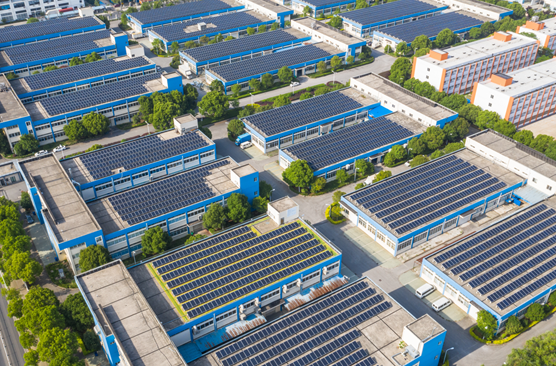
According to official data from China’s National Energy Administration, the country’s cumulative power generation installed capacity reached 3.99 billion kilowatts by the end of April, representing a year-on-year increase of 14.2 per cent. Solar power installed capacity stood at 1.25 billion kilowatts with a 26.2 per cent annual rise, while wind power capacity hit 660 million kilowatts, up 22 per cent year on year. Wind and solar power have evolved into indispensable components of China’s modern power system, providing robust support for daily power balance and peak load regulation.
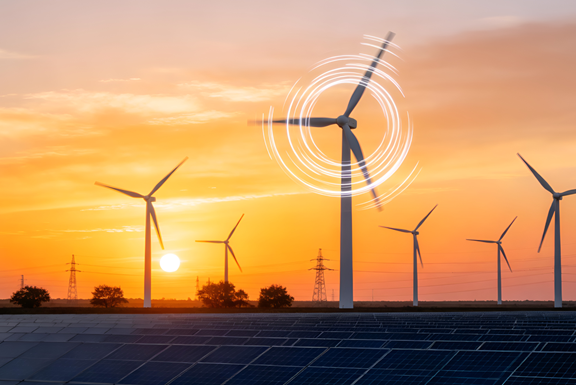
The rapid expansion of renewable energy has reshaped China’s power supply structure, yet the inherent volatility and intermittency of wind and solar generation bring practical challenges for peak-hour supply reliability under extreme weather conditions. The nationwide new power system is undergoing comprehensive operational pressure tests amid overlapping extreme meteorological scenarios.
According to Securities Daily interviews with industry analysts, China will face a complex weather pattern combining extreme heat, local droughts and scattered heavy rainfall throughout the summer and autumn of 2026. The overlapping weather risks coincide with the July-to-August peak power consumption window, creating intensive operational tests for the entire source-grid-load-storage system.
Industry observers point out that extreme high temperatures generate explosive growth in dual power loads from household cooling equipment and industrial production cooling systems, with peak electricity consumption in multiple provinces likely to break historical records. Existing grid load-bearing capacity and peak regulation reserve standards, formulated based on conventional load fluctuations, require systematic reassessment. On the supply side, unstable wind and solar output easily trigger supply-demand mismatches during evening peak hours, adding operational complexity to grid dispatch.
According to a research report from CICC Securities, the core challenge of summer peak power guarantee lies not only in total power consumption growth, but also in the matching capacity of reliable peak output, flexible regulation resources and refined grid scheduling during high-demand periods.
Leading new energy enterprises have rolled out targeted intelligent operation solutions to tackle systemic supply challenges. PowerChina New Energy has built a digital and intelligent power guarantee system to enhance operational stability under high-temperature and high-load conditions.
The company has deployed diversified intelligent inspection systems to address the inefficiency and high omission risks of manual outdoor inspections in scorching weather. At the Hengdong Jinjuefeng Wind Farm in Hunan province, wheeled and rail-mounted inspection robots conduct 24-hour autonomous patrols, automatically identifying equipment overheating, abnormal noise and potential operational faults. Field operators are equipped with AR glasses and portable PDA inspection terminals, enabling real-time data overlay, AI-powered defect recognition and remote expert guidance. The integrated solution cuts on-site operational risks, lifts inspection efficiency by over 50 per cent and achieves a defect recognition accuracy rate exceeding 95 per cent.
In terms of systematic grid scheduling, PowerChina New Energy adopts regional operation and maintenance platforms and provincial centralised control centres to monitor the operational status of nationwide power stations in real time. Centralised alarm disposal and unified allocation of operation and maintenance resources realise intensive power supply management featuring unmanned operation and minimised on-site staffing.
China Datang Corporation strengthens refined operation and maintenance for both thermal power and renewable energy equipment to adapt to continuous high-load summer operation scenarios, ensuring stable equipment output and reliable power delivery.
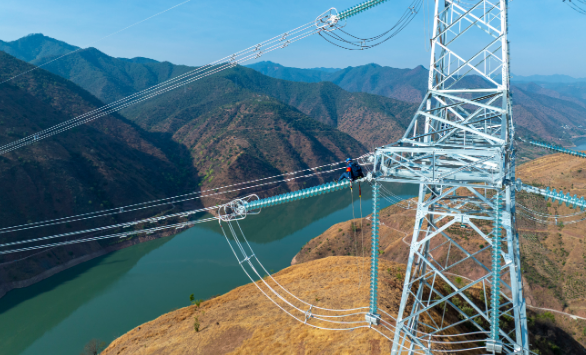
Continuous improvements in energy storage supporting facilities and ultra-high voltage transmission networks will effectively mitigate the volatility of renewable energy generation. Ongoing upgrades of the new power system will further support the safe, efficient and low-carbon operation of China’s national energy infrastructure.
热门内容推荐