Huahe Energy Reports Robust H1 Coal and Power Output Growth for Peak Summer Supply
Huahe Energy Group has delivered solid operational growth across coal supply and power generation in the first six months of 2026, underpinning stable regional energy security amid rising summer electricity demand. The group achieved a cumulative coal supply volume of 19.26 million tonnes and consolidated power generation of 23.7 billion kilowatt-hours, rising by 8 per cent and 28 per cent year on year respectively.
The group has consolidated stable coal delivery capacity through long-term contractual mechanisms. Local coal mines in Huainan have signed medium and long-term coal supply contracts covering 28.58 million tonnes in 2026, accounting for 87 per cent of total accessible coal resources. Systematic hazard prevention measures have been implemented to secure continuous production, covering gas emission control, underground water hazard management, fire prevention and roof stability governance. Optimised mining layout and streamlined operational allocation have sustained steady coal output throughout the first half of the year.
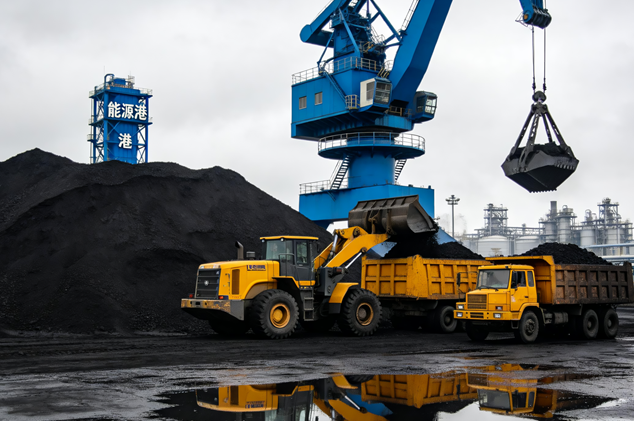
Coal transportation and sales volume reached a record monthly high of over 10 million tonnes in June. By the end of the first half, local thermal coal output totalled 16.51 million tonnes, supplemented by 5.06 million tonnes of externally sourced coal reserves. The dual-source supply structure effectively meets surging energy consumption requirements during the peak summer period.
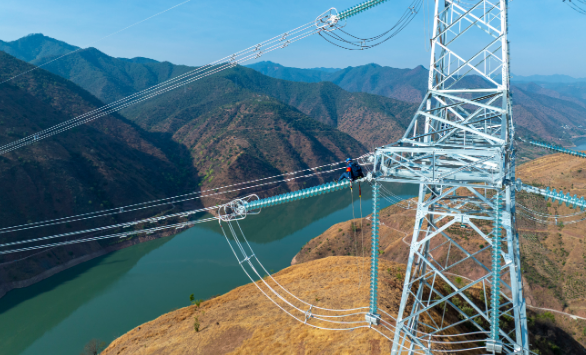
Newly commissioned power generation units have become a key driver of capacity expansion. The Xieqiao Power Plant and the fourth-phase project of Pingwei Power Plant were fully operational in January and May respectively, with a combined installed capacity of 3.32 million kilowatts. These new units generated 7.36 billion kilowatt-hours of electricity in the first half, facilitating flexible and cross-regional power resource allocation.
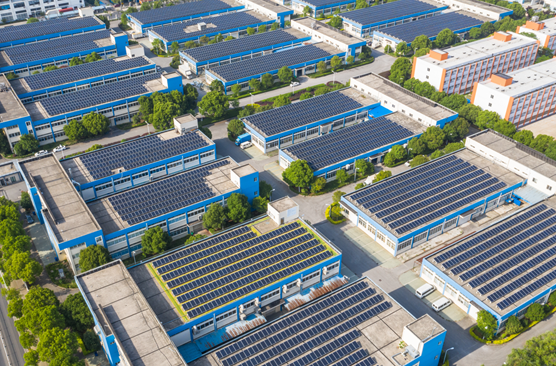
Digital demand response systems have further enhanced grid operational flexibility. The group’s virtual power plant has aggregated 264MW of distributed energy resources with an adjustable peak capacity exceeding 25MW, covering 39 registered demand response users. Steady progress has been made in clean energy upgrading, with six new coalbed methane wells launched and eight upgraded gas power generation units put into service. Coalbed methane power generation output increased by 39.2 million kilowatt-hours, representing a 26 per cent year-on-year rise.
The first low-concentration gas oxidation and utilisation CCER project in the Huainan mining area has completed public review procedures. National Certified Voluntary Emission Reduction projects serve as a core component of China’s carbon market system, quantifying and registering verified greenhouse gas emission reductions for market-based trading and industrial low-carbon upgrading. The project is scheduled to finish joint commissioning in August, supporting the mining sector’s low-carbon transformation and eco-friendly operational upgrading.
Comprehensive equipment maintenance arrangements have strengthened operational stability across production chains. The group has completed systematic overhauls for seven local coal mines and ten thermal power units, eliminating potential operational risks in advance. Targeted inspections and rectification works have been carried out for natural gas stations and pipeline networks. A long-term natural gas supply contract with China National Petroleum Corporation secures 236 million cubic metres of gas resources.
Reserved flexible power capacity will provide more than 500 million kilowatt-hours of peak-shaving electricity throughout the summer peak season. Improved pipeline interconnection and optimised gas dispatching mechanisms further strengthen regional energy supply resilience.
Huahe Energy Group will continue to advance safe and efficient coal production, expand clean power generation capacity and optimise multi-energy complementary dispatching modes in the second half of the year. Ongoing low-carbon project development and equipment operational optimisation will further consolidate regional energy supply stability and support sustainable industrial energy development.
热门内容推荐