Gestalt Technology secures 420 million yuan Angel+ funding to advance ultrasound brain-computer interface technology
According to Securities Daily, Gestalt Technology (Chengdu) announced on 3 July the completion of its 420 million-yuan Angel+ financing round. The firm develops ultrasound-based brain-computer interfaces, pursuing a technical pathway distinct from the more widely discussed invasive electrode solutions.
Tracking by Securities Daily shows the enterprise has attracted robust capital backing. It closed a 150 million-yuan angel round back in March. Following the latest fundraising, total capital raised within six months stands at 570 million yuan. The company has also formalised a dual-headquarter strategy covering Chengdu and Shanghai.
Clinical deployment will start with chronic pain treatment. Brain-computer interfaces have captured public attention in recent years, as neural signal reading enables patients with conditions such as amyotrophic lateral sclerosis to operate computer cursors and robotic limbs. Successful commercial rollout hinges on two core factors: viable finished products and matching market demand. Gestalt Technology targets chronic pain management as its initial application field. Conventional pain relief heavily relies on pharmaceutical interventions, yet many patients face risks of drug dependency or cannot tolerate high-dose medication. Ultrasound neural modulation aims to ease suffering for these patient groups.
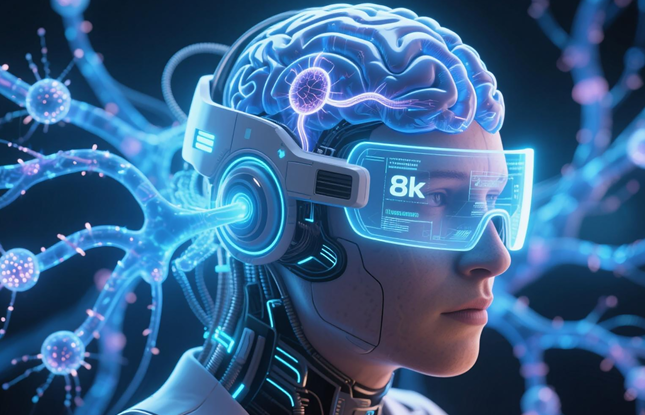
Under the product roadmap, patients wear a dedicated headset for hospital-based therapy sessions lasting between 30 and 40 minutes. Clinical data indicates targeted ultrasonic modulation of pain-related brain regions can reduce perceived pain intensity by roughly 50 per cent, with therapeutic effects persisting for one to two weeks. The ultrasound approach requires no craniotomy or implantation, lowering barriers for patients, while offering the capacity to reach deeper brain areas for precise regulation.
Commercialisation will unfold in phases. Development begins with rigorous medical devices, before extending to home-use medical equipment and eventually consumer electronics. This transition process is expected to span three to five years. Clinical trials carried out within formal medical settings generate validated outcomes and large volumes of high-quality multimodal data sourced from magnetic resonance imaging, CT scans, ultrasonic blood flow monitoring and electrical recordings. These datasets form critical foundations for iterative software improvements.
The business plans to launch its first generation of hardware, supporting clinical datasets and associated AI models by the end of this year. Large-scale clinical trials, certification submissions and approval drives are scheduled for around 2027. Applications to secure Class III medical device registration certificates are targeted for the first half of 2028. Beyond chronic pain, research pipelines will simultaneously examine interventions for anxiety, depression and post-stroke rehabilitation.
The dual-headquarter framework supports sustained engineering progress for ultrasound brain-computer systems. Existing electrical brain-computer interfaces only record activity from localised neurons. Complex cerebral functions including memory, language and emotion emerge from interconnected neural networks across multiple brain regions. Full comprehension of brain activity demands a clearer understanding of holistic neural mechanisms. The name Gestalt derives from a German term embodying the principle that the whole exceeds the sum of its constituent parts. Research priorities focus on regulating integrated brain networks rather than isolated single neurons.
Technical obstacles remain to be resolved during ongoing engineering refinement. Blood flow signals captured via ultrasound carry measurable delays compared with electrical readings, and temporal resolution requires further enhancement. Algorithm optimisation and multimodal modelling will lift the accuracy of brain signal decoding, representing a core area of work assigned to the Shanghai headquarters.
The Chengdu base operates as a hub for research and manufacturing, overseeing core ultrasound brain-computer interface development, clinical translation, device production, animal testing and quality system construction. The Shanghai headquarters takes charge of foundational AI brain model research, international scientific partnerships, recruitment of high-calibre specialists and industrial ecosystem development.
Neuroscience and artificial intelligence represent two sides of one single coin. Brain-computer interface technology and AI deliver mutual advantages. Artificial intelligence facilitates enhanced decoding and interpretation of brain activity captured through ultrasound. Meanwhile, multimodal brain data collected via brain-computer hardware supplies vital datasets for foundational brain modelling, uncovering fundamental operating mechanisms within the human brain. Progress in this field unlocks new potential for AI algorithm evolution.
Investment activity continues to expand within China’s brain-computer interface sector. Multiple technical routes receive sustained funding, as research teams advance non-invasive approaches that reduce surgical risks and broaden future accessible clinical and consumer use cases.
热门内容推荐