China Energy Group scales up diverse‑form new‑energy‑storage assets across Chinese provinces
China Energy Group operates 203 commissioned new‑type energy‑storage projects by the end of June 2026, boasting an aggregate capacity of around 8.14 GW / 19.45 GWh spread across 26 provincial‑level administrative regions. These facilities delivered 1.89 billion kWh of grid‑connected electricity in the first half of the year, achieving an equivalent comprehensive utilisation hour‑count of 516 hours. They deliver flexible regulation for power‑supply security and enhance integration of variable renewable power.
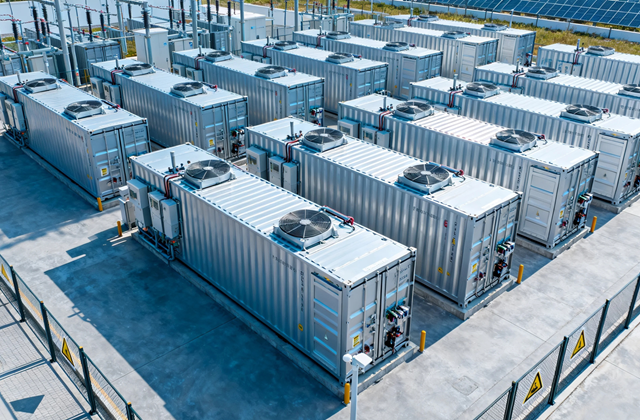
Renewable‑energy paired‑storage assets yield tangible results mitigating output volatility and boosting local green‑power consumption during the first half. The fully commissioned Qinghai Gonghe Jihui energy‑storage station stands as the group’s largest single‑site electrochemical‑storage facility. It draws power from surplus generation at renewable‑energy bases to lift overall utilisation rates of wind and solar resources.
Independent energy‑storage stations carry out charge‑discharge regulation for peak‑shaving, valley‑filling and power‑market trading. Two Huaneng Investment independent‑storage facilities in Qihe and Kenli of Shandong have been re‑classified from renewable‑energy‑attached storage to grid‑side standalone storage, with a combined rating of 200 MW / 400 MWh. Running stably through the first half, they generate more than 30 million yuan in cumulative revenue.
Grid‑forming energy‑storage hardware underpins renewable‑energy absorption and grid stability. The Ningdong hybrid photovoltaic base supplies instant active and reactive‑power support to the grid, raising hosting capacity for renewables and cutting one‑off capital expenditure by roughly 78 million yuan. The Guodian Power Shuangliang grid‑forming energy‑storage project features on the National Energy Administration’s pilot catalogue for the new‑type power system, building a demonstration model integrating wind‑solar‑storage facilities, direct green‑power supply and zero‑carbon industrial zones.
Thermal‑power‑coupled storage expands multi‑purpose regulation capabilities. Installations at Zhaoqing and Taishan take part in grid frequency‑regulation services, bringing in aggregate revenues exceeding 100 million yuan. The Hainan Ledong power‑plant thermal‑storage frequency‑regulation scheme carries total investment of over 50 million yuan and secures more than 20 million yuan of revenue within the first six months alone, delivering favourable project returns. The Longshan power‑plant deploys China’s first hundred‑megawatt‑scale steam‑heated molten‑salt heat‑exchange unit, representing the nation’s pioneering thermal‑power molten‑salt storage facility capable of both peak‑shaving and peak‑generation.
The Anhui Suzhou power‑plant “coal‑fired generation plus molten‑salt storage” scheme holds the country’s largest gigawatt‑hour‑level molten‑salt thermal‑storage capacity. It earns nearly 40 million yuan in the first half and has secured listings including the national first‑set major technical‑equipment inventory, the first national batch of advanced green‑low‑carbon‑technology demonstration projects and the TOP 10 shortlist from the 10th International Energy‑Storage Innovation Competition.
China Energy Group transfers a portfolio of renewable‑energy‑attached storage assets to grid‑side independent‑storage mode, self‑consumption regulation or joint‑clearing storage configurations. Multiple priority new‑storage projects move into construction or commissioning phases, including Jiujiang super‑capacitor facilities, Langfang flue‑gas molten‑salt heat‑storage installations, Jingzhou steam‑electric dual‑drive molten‑salt thermal‑storage and electrochemical‑storage complexes, alongside Dongsheng and Yuanyanghu thermal‑battery sites. Technical demonstration schemes such as the Ma’anshan carbon‑based solid heat‑storage and Dianta thermal‑battery facilities undergo further research and assessment.
The group completes deployment of its energy‑storage cloud platform and deepens practical application of the Qingyuan large‑language‑model within energy‑storage workflows. A full‑lifecycle safety‑management framework for new‑type energy‑storage continues to mature. The enterprise fosters demonstration‑grade storage stations that achieve annual operating hours above 2 000, comprehensive efficiency exceeding 88 per cent and yearly revenue surpassing 50 million yuan. These operational assets facilitate renewable‑energy integration, reliable power provision and the build‑out of the new‑type power system.
热门内容推荐