Shandong Sees Record Power Demand Amid Heatwave with New Energy Stabilising Grid Supply
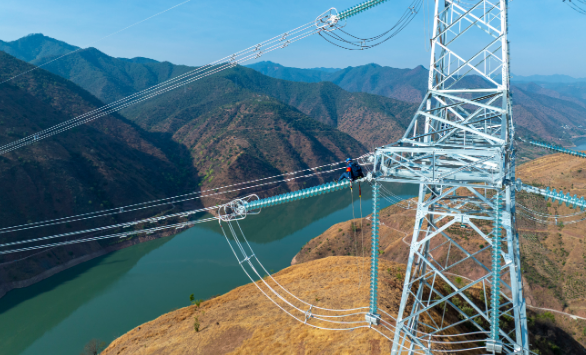
Power consumption across east China’s Shandong province has hit successive all-time highs amid sustained high temperatures, ushering in a critical phase of summer peak energy guarantee operations. According to domestic state media reports, the provincial power grid registered its highest-ever electricity load of 131 million kilowatts at 11:19 on August 3, setting a new historical benchmark for regional power demand.
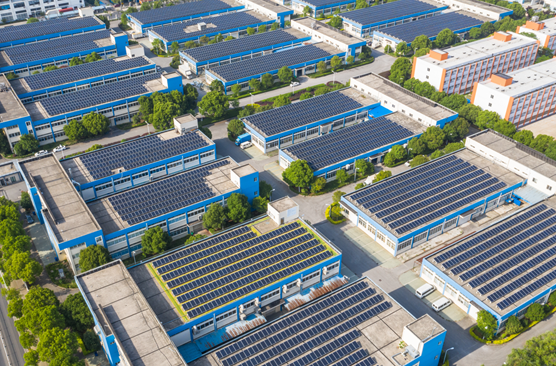
Power generation from new energy facilities operated by Shandong Energy’s new energy subsidiary has repeatedly broken historical records over recent days. Daily power output averaged 130 million kilowatt-hours between August 1 and August 3, with a single-day peak generation of 143 million kilowatt-hours. The integrated energy system, which combines wind, solar, thermal and energy storage resources, converts diversified internal and external energy supplies into stable and efficient clean electricity, underpinning residential power security and regional economic operation throughout the peak summer period.
Favourable solar irradiation and wind conditions across Shandong have created solid operational conditions for renewable energy generation during the peak summer season. The provincial new energy operator has rolled out comprehensive pre-emptive measures to secure grid stability, establishing a three-tier guarantee mechanism covering overall corporate coordination, regional management and on-site facility duty.
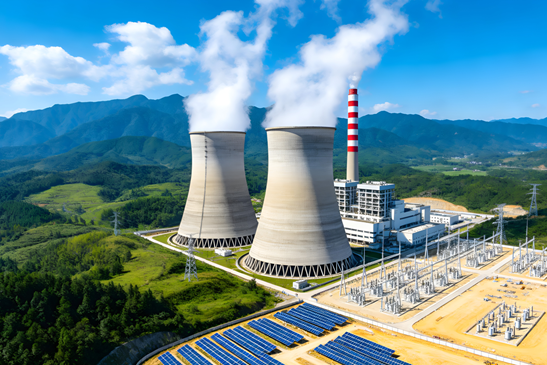
Full-scale equipment inspections have been conducted across all operational power projects, with more than 1,100 targeted maintenance procedures completed for thermal, wind, solar and energy storage facilities. A total of 217 equipment defects have been rectified to eliminate faulty operation risks and maximise operational efficiency, ensuring stable and sufficient power output during peak demand windows.
Intelligent grid management systems support round-the-clock real-time monitoring and precise dispatching of all power generation stations. Meteorological data is dynamically updated to predict renewable energy output fluctuations and optimise unit operational strategies, unlocking the full potential of new energy power supply. Power generation capacity has risen steadily in tandem with provincial electricity load growth, maintaining a high daily output of 130 million kilowatt-hours since the start of August.
Renewable energy sources account for 20 percent of the total power output during the current peak period. The operational model delivers notable environmental benefits, cutting approximately 2,150 tonnes of standard coal consumption and 5,000 tonnes of carbon dioxide emissions on a daily basis. The coordinated power supply system effectively supports local carbon emission reduction targets while reinforcing reliable energy delivery amid extreme seasonal demand.
Large-scale diversified energy layout has laid a solid foundation for long-term power security in Shandong. The new energy subsidiary has built and commissioned more than 70 power generation projects of various types, with a total installed capacity exceeding 10 million kilowatts. The diversified collaborative power generation structure, featuring complementary wind, solar, thermal and energy storage resources, will continue to strengthen the province’s energy supply resilience and support sustained and stable power provision for social and economic development in subsequent peak energy consumption periods.
热门内容推荐