Datong phases out coal reliance with new energy and computing industry upgrades
According to official updates released at Shanxi’s provincial 15th Five-Year Plan launch event on 11 August, Datong is undergoing comprehensive industrial restructuring to abandon its long-standing reliance on single coal-driven growth. The city will advance three core strategic shifts throughout the 15th Five-Year period, transforming from a large traditional energy hub into a high-efficiency energy powerhouse, shifting growth drivers from factor reliance to technological innovation, and converting resource endowments into tangible industrial development outcomes.
As China’s major production base for high-quality thermal coal, Datong currently operates 59 coal mines with an annual raw coal output of 150 million tonnes. Throughout the 14th Five-Year period, the city supplied 430 million tonnes of thermal coal to 20 provincial-level regions across the country, delivering steady support for national energy supply security. Ongoing intelligent upgrading of coal mining operations will continue to optimise traditional production models. Local authorities have confirmed that installed coal power capacity in Datong will exceed 14 million kilowatts by the end of the 15th Five-Year cycle.
While sustaining stable output from conventional energy sectors, Datong accelerates large-scale new energy deployment to reshape its power structure. The city’s installed new energy capacity has surpassed 11 million kilowatts, accounting for more than 57 per cent of total power installations, while new energy generation contributes over 35 per cent of local electricity output. The 6 million-kilowatt Northern Shanxi New Energy Base will complete construction within 2026.
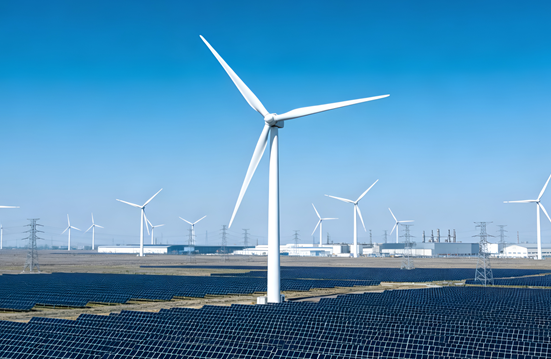
Further capacity expansion is scheduled for the medium term. Total new energy installed capacity will double to 22 million kilowatts by the conclusion of the 15th Five-Year period, lifting its overall installation share above 62 per cent. Parallel progress is underway in energy storage infrastructure development, including the Hunyuan pumped storage project and multiple new-type energy storage facilities. Aggregate energy storage capacity in Datong will exceed 6 million kilowatts upon completion of current planning targets.
Datong extends its energy industrial value chain to foster new quality productive forces and realise diversified development. The city promotes commercialisation of first-of-a-kind coal power technical equipment and advances the construction of integrated coal-power projects in Zuoyun County. Strategic cooperation with leading industrial enterprises strengthens core manufacturing sectors including battery cell production, translating local energy resource advantages into competitive industrial strengths.
Comprehensive energy optimisation and low-carbon transformation measures are being implemented across industrial and residential sectors. Continuous energy conservation and carbon reduction initiatives raise electrification levels of end-user energy consumption, enabling wider adoption of emerging low-carbon operational models throughout the city’s energy system.
Digital infrastructure and computing services represent a pivotal emerging growth track for Datong’s economic upgrading. Robust progress achieved during the 14th Five-Year period has established the city among China’s top-tier computing industry clusters. Datong has built more than 410,000 standard server racks, covering 80 per cent of Shanxi’s total rack scale, with 758,000 operational servers delivering 1GW of stable IT load capacity. Annual power consumption for local computing centres exceeds 6 billion kilowatt-hours, driven by the rapid expansion of green data service operations.
Upcoming industrial layouts will further integrate clean energy supply and digital infrastructure construction. Datong will continue expanding new energy generation and energy storage capacity, optimise traditional coal power operational efficiency, and deepen industrial chain extension and technological iteration. Coordinated development of energy and digital sectors will underpin the city’s long-term high-quality economic restructuring and industrial upgrading.
热门内容推荐