China’s Power Structure Transforms as Coal Generation Drops Below 50 Percent
According to official energy data released in 2026, China has registered a historic shift in its power generation mix, marking a pivotal breakthrough in the country’s long-term low-carbon energy transition. For decades, coal-fired power has served as the backbone of China’s industrial expansion and stable social operation, delivering consistent power supply for economic activities and residential consumption.
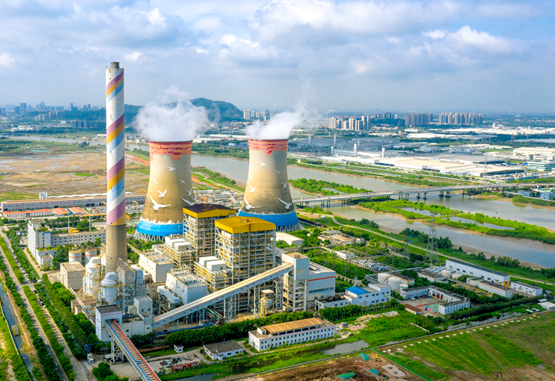
In the first half of 2026, China’s coal-fired power generation reached 2.5 trillion kilowatt-hours, accounting for 49.7 percent of the country’s total electricity output. This marks the first time coal power’s generation share has fallen below 50 percent on record. Meanwhile, renewable energy generation neared 2 trillion kilowatt-hours, capturing 41.2 percent of the national total and surpassing the 40 percent threshold for the first time.
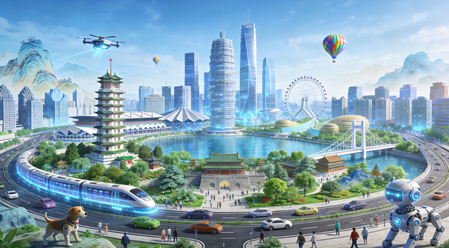
The dual shift reshapes China’s power supply landscape, which has long relied on coal as the absolute dominant energy source. Renewable energy is moving from a supplementary power source to a mainstream pillar of the national electricity system, laying a solid foundation for the development of a new-type power system and delivering tangible progress in low-carbon transformation.
The structural upgrade stems from sustained strategic planning, technological breakthroughs and systematic industrial safeguards. Over more than a decade, consistent national energy policies and clear low-carbon development targets have guided steady industrial iteration. The rolling implementation of renewable energy development plans under the 15th Five-Year framework has facilitated scaled expansion of new energy capacity and orderly optimisation of traditional coal power layouts.
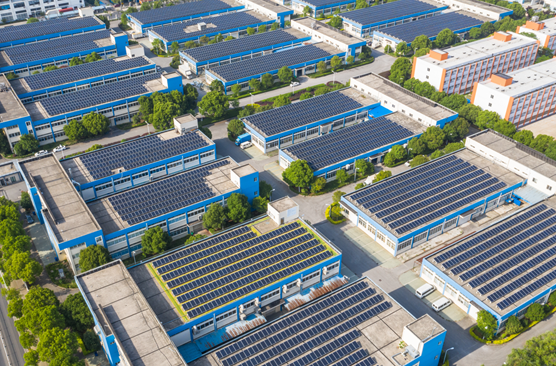
Technological innovation has underpinned the rapid competitiveness growth of clean energy. Over the past decade, China has recorded substantial cost reductions in wind and photovoltaic power generation, with unit power costs dropping by more than 60 percent and 80 percent respectively. Photovoltaic power tariffs have become lower than benchmark coal power prices in multiple regions, completing a fundamental reversal in clean energy economic efficiency. China’s complete industrial chain advantages support its leading global position, with domestic wind, solar and energy storage industries occupying over 70 percent of the global market share.
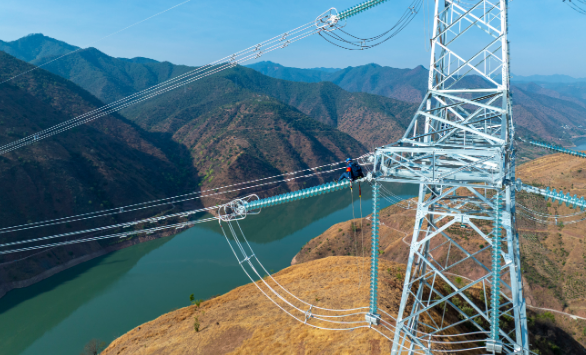
Robust systemic support further guarantees stable large-scale integration of renewable power. To address the intermittent and volatile nature of wind and solar generation, China has built the world’s largest hybrid alternating and direct current power grid, improving intelligent dispatching capacity for cross-regional clean energy allocation. The country’s new energy storage installed capacity has reached 153 million kilowatts, and a unified national power market system has taken initial shape. Coordinated operation of power grids, energy storage facilities and market mechanisms effectively offsets new energy output fluctuations and secures reliable grid integration of green electricity.
The declining coal power proportion does not signal the phase-out of coal-fired generation. Coal power is undergoing functional upgrading within the new power system, transforming from a basic guaranteed power source to a flexible regulation resource. It retains irreplaceable value in peak power supply and emergency response, maintaining system stability during extreme weather conditions and insufficient new energy output.
Energy transition and industrial upgrading form a mutually reinforcing cycle. The rapid expansion of clean power supply drives upgrades across residential energy consumption and industrial manufacturing sectors. Booming new energy vehicle industries and fast-growing charging and swapping service sectors benefit from sufficient green electricity supply. China’s mature industrial chains for photovoltaic, wind power and power batteries also support domestic energy revolution while exporting advanced green technologies and equipment globally.
The ongoing energy structure adjustment demonstrates the effective coordination of energy security and low-carbon development in a large-scale economy. Under the 15th Five-Year development layout, China’s renewable energy sector has entered a new phase of scaled expansion, quality improvement and reliable substitution. The historic shift in power mix represents a new starting point for deeper energy transformation. The country will continue advancing green and low-carbon energy development to tackle systemic challenges brought by high-proportion new energy grid integration.
热门内容推荐