Lab‑to‑factory innovation unlocks large‑scale production of fruit‑derived polyphenol ingredients
According to Economic‑net, inside a plant‑extract manufacturing workshop in Changping, Beijing, deep‑purple blueberry pulp flows through sealed pipelines into large‑scale extraction tanks. Low‑temperature counter‑current extraction gently separates polyphenol‑rich active substances from plant cell walls. Dark‑red raw liquid undergoes multi‑stage purification via membrane‑separation equipment; through viewing windows, operators observe colour deepening alongside rising polyphenol concentrations.
Central‑control screens display real‑time temperature and pH readings. Technical staff draw on spectral‑instrument feedback to fine‑tune retention rates for polyphenols and anthocyanins. Concentrated feedstock passes through a spray‑drying tower to form fine‑grained powder carrying naturally‑sourced antioxidant properties. This production line stands as a tangible example of laboratory‑developed know‑how moving into full‑scale industrial manufacture.
A new‑type research platform, the Institute of Food Nutrition and Health, is led by the Institute of Agricultural Products Processing and Food Nutrition under the Beijing Academy of Agriculture and Forestry Sciences. Centring research priorities on bioactive compounds including polyphenols, the platform builds innovation pathways spanning fundamental research, technical breakthroughs and real‑world industrial deployment.
High‑efficiency preparation and stabilisation processing technologies for fruit‑and‑vegetable polyphenols are rolled out across multiple manufacturing enterprises. A project focusing on high‑efficiency extraction and industrial‑scale application of anthocyanins from special agricultural produce receives second prize in the Beijing Municipal Science and Technology Awards.
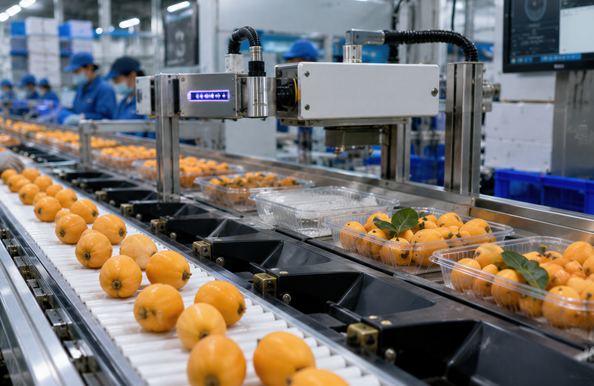
For anthocyanin commercialisation, researchers establish a complete technical chain covering resource exploration, high‑yield extraction, stabilised preservation, functional assessment and end‑product development. Long‑standing technical hurdles including easy degradation of natural pigments and poor retention of biological activity are overcome.
High‑purity intermediate materials and finished goods reach market using this technical foundation. Ranges of anthocyanin and polyphenol‑based supplies enter global health‑product supply chains, delivering steady volumes to multinational operators. Consumer‑oriented anthocyanin‑infused drinks and health‑focused products targeting visual‑fatigue relief and protection against chemical liver injury come onto the market. Site‑wide production quality‑control systems keep bio‑active ingredient performance consistent across production batches. These developments fill domestic gaps within high‑grade anthocyanin product segments and enable plant‑derived functional substances to complete the value transition from laboratory benches to retail shelves.
Within the niche of targeted polyphenol delivery, co‑delivery systems pairing apple polyphenols with plant protein and resveratrol with polysaccharides are newly developed. These micro‑level designs mitigate activity loss and low bio‑availability occurring during food‑processing and human digestion, bringing about mutually‑enhanced performance for plant‑protein and polyphenol components.
Industry‑academia‑research collaboration delivers full technical packages for global market players, enabling new polyphenol‑protein‑powder products. Sales volumes exceed 1 billion yuan within the first twelve months post‑launch. Natural, eco‑friendly carrier materials underpin the whole manufacturing workflow, supporting safe operations and cost‑effective outputs. Formulations designed for early‑stage intervention against metabolic sub‑health conditions become accessible to ordinary consumers. Further technical transfers and product iterations will broaden application scenarios for plant‑sourced bio‑active components across domestic and overseas markets.
热门内容推荐