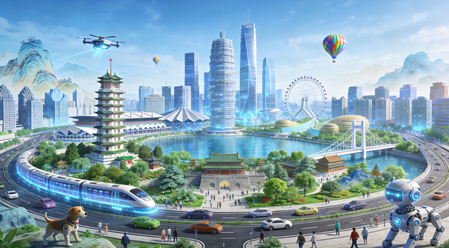
Gradient‑shaped AI landscape unfolds across China’s 31 provincial‑level regions
Latest economic data from China’s thirty‑one provincial‑level jurisdictions paints a full picture of domestic artificial‑intelligence industrial expansion. Surging end‑user demand for AI‑enabled devices has boosted high‑technology manufacturing output, with multiple provinces registering double‑digit growth in integrated‑circuit and industrial‑robot production during the first half of the year. A clear tiered industrial layout has taken shape. Beijing, Shanghai and Guangdong form the leading cohort advancing complete‑value‑chain development. Anhui and Hubei concentrate resources on specialised tracks such as AI chips and optoelectronics, while Guizhou and comparable locations leverage clean‑energy resources to host major intelligent‑computing hubs.
Artificial intelligence has become a key driver of economic expansion in 2026. By the end of June, China’s intelligent‑computing capacity reached 2 185 EFLOPS, marking a 177 per‑cent year‑on‑year rise and a 16 per‑cent increase compared with the end of March.
Spill‑over effects flow down industrial supply chains. Booming demand for AI‑powered end‑products unlocks production capacity for upstream hardware. Most provinces posted positive integrated‑circuit output growth in the first six months. Guangdong recorded a 29.7 per‑cent rise, while Hubei’s output more than doubled over the same period. Deep integration between artificial intelligence and manufacturing fuels large‑scale deployment of smart equipment. Industrial‑robot output in Guangdong, Jiangsu and Sichuan achieved double‑digit expansion, as emerging fields including embodied intelligence and human‑robot collaboration gather momentum.
Provincial authorities pursue development paths aligned with local endowments, building a tiered AI ecosystem featuring complementary strengths and coordinated progress. Eastern coastal provinces draw on advantages in talent, technology and industrial infrastructure to nurture indigenous innovation ecosystems. Beijing, Shanghai and Guangdong occupy the top‑tier group of China’s AI development.
Beijing has completed filing for 259 large‑language‑model variants and registered 195 AI‑related products, covering general‑purpose models, vertical‑industry models and edge‑side mobile‑phone‑based models. Its core‑AI‑industry output hit 450 billion yuan in 2025, accounting for roughly forty per cent of the national total. By the end of June, 169 large‑language‑models had passed regulatory filing in Shanghai. Its 394 above‑scale AI enterprises generated an industrial output exceeding 637 billion yuan in 2025. Guangdong’s core‑AI‑industry scale surpassed 300 billion yuan for 2025. All three regions set global‑competitiveness targets within their medium‑term development frameworks, aiming to lead across technology advancement, industrial ecosystems and real‑world application scenarios.
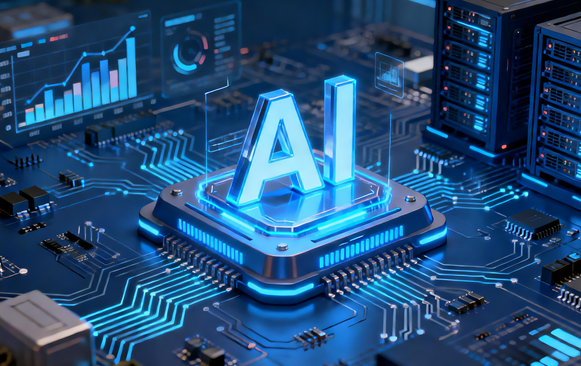
Other provinces focus on niche high‑growth segments. Anhui presses ahead with AI‑chip innovation. Jinghe Integration, the province’s first 12‑inch wafer‑foundry operator, completed its Hong Kong stock‑market listing in July to achieve dual A‑share and H‑share status. Its phase‑four facility, backed by 35.5 billion yuan of investment, is scheduled to commence operation in the fourth quarter. ChangXin Memory Technologies, a home‑grown memory‑chip manufacturer, secured its stock‑market debut at the end of July and ranks as China’s highest‑valued A‑share‑listed firm.
Hubei builds on its established optoelectronics industrial base amid rising computing‑power requirements. Centred on Wuhan‑based Optics Valley, it sustains a globally competitive “optical‑chip‑display‑terminal‑network” industrial cluster, producing one‑quarter of the world’s optical‑fibre‑and‑cable supply. Yangtze Memory Technologies began initial‑public‑offering counselling in May, moving the leading semiconductor unicorn closer to capital‑market listing.
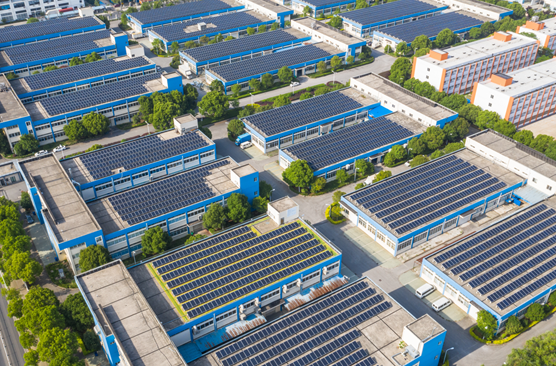
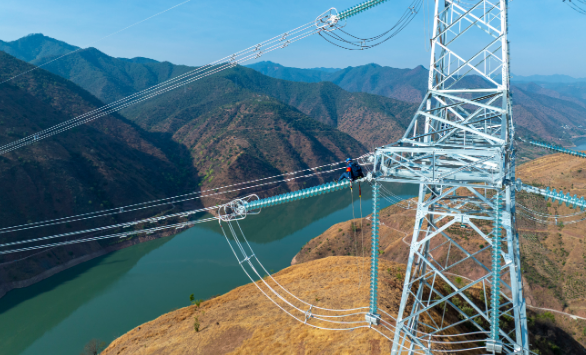
Henan transforms from a national rail‑transport hub into a computing‑power node. The country’s first fully‑domestic 100 000‑card AI supercomputing cluster went live in Zhengzhou and connected to the national supercomputing internet infrastructure. Xinjiang, Inner Mongolia and Guizhou also attract major intelligent‑computing‑centre deployments by drawing on abundant clean‑energy supplies.
热门内容推荐