China Gas Embarks on Strategic Transformation Driven by Artificial‑Intelligence Innovation
According to Securities Daily, China Gas Holdings Limited is pursuing profound transformation from a conventional public‑utility gas supplier to an integrated‑energy service provider amid national carbon‑reduction targets and rapid artificial‑intelligence advancement. The group operates across more than 660 Chinese cities and delivers gas services to roughly 60 million households. Liu Minghui, Chairman and President of China Gas, laid out corporate strategy, AI‑enabled deployment and global development priorities in an exclusive interview.
Domestic urban gas pipeline penetration has reached nearly ninety per cent, restricting further growth purely through network expansion. Long‑established operating models for utility businesses face disruption brought by fast‑evolving digital technologies. The transitional‑energy window for natural gas also compels industrial participants to rethink growth frameworks. Even so, market potential remains substantial as coal‑fired sources are phased out across industrial settings. Gas operators are shifting focus from basic supply assurance to comprehensive multi‑energy solutions, unlocking fresh commercial value by tapping massive end‑user energy data resources.
China Gas has rolled out its three‑wheel‑driven development strategy. Conventional natural‑gas and liquefied‑petroleum‑gas operations form the stable core of business activities. Technology‑led integrated‑energy projects create a second growth trajectory, while new‑retail initiatives leverage artificial‑intelligence algorithms and existing customer bases to realise enhanced user‑value mining. Financial returns for the fiscal year ending March 2026 show turnover of HK$73.6 billion, net profit attributable to shareholders of HK$27.2 billion and free cash flow of HK$48.4 billion, with dividend payout ratios maintaining high levels within the sector.
Global outreach gathers momentum under this strategic blueprint. An international trading hub in Singapore undertakes global LNG and LPG transactions underpinned by long‑term FOB procurement contracts for an annual volume reaching three million tonnes, supported by self‑owned shipping capacity in regular operation. In South‑East Asia, technical solutions converting palm‑oil agricultural residues into biomass green gas draw commercial‑cooperation interest from major international energy groups across Malaysia, Indonesia and Vietnam. Joint work with domestic equipment manufacturers delivers energy‑storage schemes deployed in Sweden, Norway and Denmark, drawing operational insights from mature European power‑trading markets. Within Africa, proven Chinese CNG refuelling frameworks help monetise associated gas from local oilfields which would otherwise go to waste.
Four‑year‑long in‑house research has elevated the group’s biomass‑gasification technology for green‑gas production to globally competitive standards, delivering cost‑effective low‑carbon alternatives for industrial consumers. Strategic co‑operation agreements are in place with leading industrial enterprises to implement associated biomass‑energy projects. Domestically, over one hundred energy‑storage installations have gone live, alongside 7.33 billion kWh of annual electricity‑trading volumes, building out a source‑grid‑load‑storage integrated‑energy service ecosystem.
Liu Minghui stresses that active adoption of artificial intelligence is essential for industry‑wide upgrading. Legacy slow‑paced operational structures risk creating generational gaps when set against rapid digital iteration.
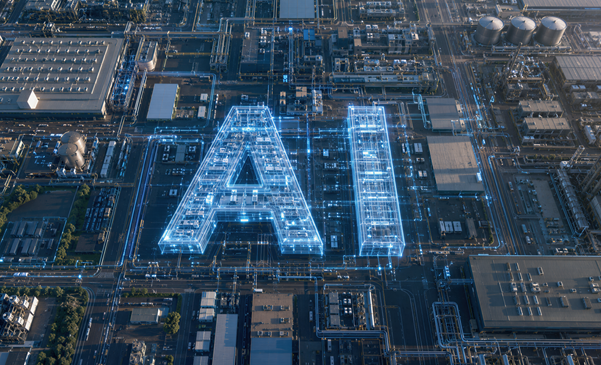
China Gas has therefore constructed a Six‑Brain Engine digital framework built on six dedicated AI agents to reshape end‑to‑end workflows. The Management Super‑Brain streamlines approval procedures and cuts administrative layers to boost responsiveness and granular governance.
The Safety Smart‑Brain brings intelligence to inspection, dispatch and procurement across over 580 000 kilometres of gas‑pipeline networks, enabling real‑time monitoring and early warning for pressure, temperature and corrosion metrics. The Service Cloud‑Brain analyses behavioural patterns from close to 60 million end‑users to deliver proactive, pre‑emptive customer support.
The Energy Intelligence‑Brain assesses market trends to underpin price forecasting, intelligent resource allocation and commercial decision‑making. The Ecosystem Meta‑Brain brings together cross‑sector industrial participants to match diverse and differentiated energy requirements. The Cultural Empowerment‑Brain fosters organisation‑wide buy‑in for digital transformation and strengthens staff digital‑application competencies.
A special‑purpose innovation fund incentivises AI‑driven breakthroughs, complemented by company‑wide incentive arrangements sharing gains from growth and mitigating losses arising from set‑backs. Internal communications describe the current calendar year as a make‑or‑break phase for corporate restructuring, reflecting urgency to seize energy‑transition windows rather than signalling existential threat.
China Gas will continue iterating business models and application scenarios under its three‑wheel‑driven architecture. While pursuing innovation, the organisation retains its public‑service mandate to deliver secure energy supplies for households nationwide.
热门内容推荐