China Unveils 15th Five‑Year Roadmap for AI‑Driven Smart Agricultural Product Circulation
China’s Ministry of Agriculture and Rural Affairs has issued the national development plan for agricultural product origin market systems for the 15th Five‑Year period, outlining comprehensive digital and intelligent upgrades for the country’s agricultural circulation sector. The policy sets clear frameworks for AI integration, data‑driven supply chain optimisation and innovative logistics models to modernise domestic farm product distribution networks.
The plan prioritises the integration of artificial intelligence technologies into agricultural product circulation workflows. It promotes in‑depth big data analysis of consumer demand patterns and establishes efficient feedback mechanisms connecting terminal market consumption data with upstream agricultural production arrangements. The new framework aims to build market‑oriented, data‑powered and highly collaborative intelligent supply chains that bridge production and consumption across regional markets.
Large‑scale technological and equipment upgrades will be rolled out across agricultural wholesale markets. Intelligent sensors, radio frequency identification devices and digital monitoring tools will be widely integrated into daily market operations. Standardised intelligent production lines, smart warehousing and distribution facilities, and unified smart pallet and turnover equipment will be deployed on demand to raise overall operational efficiency. Provincial and ministerial co‑built origin wholesale markets will take the lead in adopting smart trading platforms and digital logistics systems, with progressive exploration of specialised intelligent agent applications tailored for agricultural circulation scenarios.
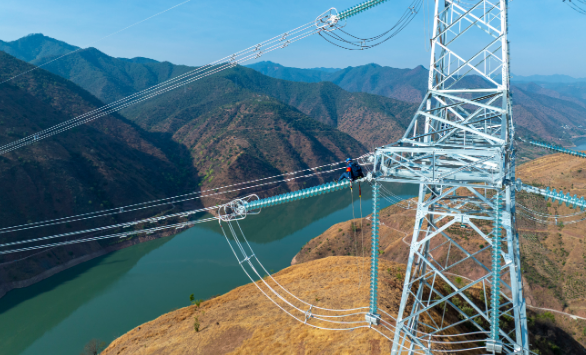
The policy encourages customised smart logistics solutions adapted to diverse geographical conditions. Hilly and mountainous regions will trial low‑altitude drone distribution and integrated space‑air‑ground scheduling systems to address complex terrain constraints on traditional transportation. Such innovative models will complement conventional logistics networks and improve circulation accessibility in remote agricultural producing areas.

Leading wholesale markets, industrial chain core enterprises and large agricultural industrialisation entities will serve as key drivers of model innovation. New digital centralised purchasing, collection and distribution mechanisms, alongside unified warehousing and delivery systems, will be cultivated to enrich practical application scenarios for AI‑empowered agricultural product circulation. Continuous technological research and development for smart circulation tools will support digital empowerment for individual producers and operating entities, streamlining cross‑regional production and sales collaboration.
The 15th Five‑Year plan strengthens institutional and talent support for digital innovation in agricultural circulation. It promotes joint research and technological breakthroughs among universities, research institutions and industrial enterprises, focusing on digital, intelligent and green technological upgrades, equipment integration and operational model optimisation. In‑depth analysis and application of circulation data for staple agricultural products will support precise market regulation and industrial development decisions.
Higher education and vocational institutions will expand specialised training programmes focused on digitalised agricultural product circulation, cultivating innovative interdisciplinary talent to meet industrial upgrading demands. Closer industry‑university‑research collaboration will accelerate the translation of technological achievements, while improved national standards for digital management and services in agricultural circulation will standardise industry development.
The full implementation of the new plan will systematically upgrade China’s agricultural product circulation system. Digital and intelligent transformation will reduce circulation costs, minimise post‑harvest losses and enable more accurate alignment between agricultural output and market demand. Ongoing technological iteration and standard improvement will further underpin the high‑quality development of the modern agricultural industry system.
热门内容推荐