China’s energy sector delivers structural shifts amid global market volatility in first half‑year
Against heightened international geopolitical competition and repeated swings in global energy markets, China’s energy sector advances under its new energy‑security strategy, balancing development and security while securing fresh progress in stable supply and low‑carbon transition across the first half of the year. Total installed power‑generation capacity has surpassed 4 billion kilowatts, with non‑fossil energy accounting for 62 per cent of the aggregate base. For the first time, coal‑fired power contributes less than half of total power output, and renewable‑energy generation tops 40 per cent of national electricity production. Deep‑seated structural change unfolds within the energy system, as renewables evolve from supplementary contributors towards primary pillars of supply. Consistent energy delivery and a rising share of clean‑energy consumption strengthen system resilience, underpinning steady economic performance and improvements in living standards.
Supply‑demand balances keep evolving across domestic energy markets. Domestic energy output remains stable, with coal, crude‑oil, natural‑gas and electricity production by industrial enterprises above designated size holding within sound ranges and demonstrating robust risk‑resistant capacity. Coal output fulfils its back‑stop function, as major coal‑producing provinces unlock advanced production capacity in an orderly fashion. First‑half raw‑coal output reaches 2.37 billion tonnes, averaging 13.07 million tonnes per day, marking the second‑highest level for any equivalent six‑month period on record. Sufficient coal stockpiles lay solid foundations for reliable power generation ahead of peak summer power demand.
Upstream oil‑and‑gas production sets new half‑year benchmarks. Crude‑oil output registers 109.43 million tonnes, rising by 0.9 per cent year‑on‑year, while natural‑gas production hits 133 billion cubic metres with a 1.6 per‑cent annual increase. Both figures represent record highs for the first six months of a year. Amid profound shifts in global oil‑and‑gas market conditions through the second quarter, diversified import sources enable calibrated procurement adjustments and steady import volumes, reinforcing the strength of domestic indigenous supply.
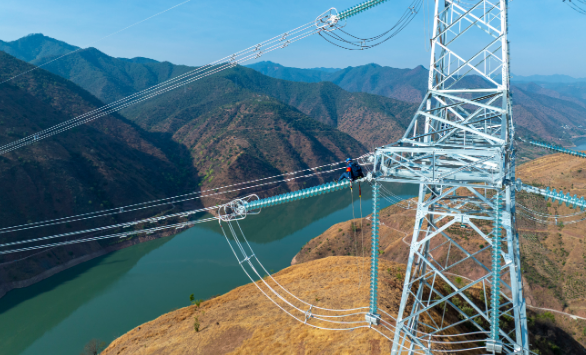
Electric‑power generation accelerates alongside ongoing structural optimisation. Total power output from industrial enterprises above designated size totals 4.8 trillion kilowatt‑hours in the first half‑year, up 3.5 per cent year‑on‑year. Clean‑energy power production expands by 4.6 per cent, claiming 36.2 per cent of overall generation, a 0.4‑percentage‑point improvement from the prior‑year period. Inter‑regional power transmission capacity continues to expand, consolidating established west‑to‑east and north‑to‑south power‑transfer corridors linking resource‑rich zones with major consumption hubs.
Energy‑use efficiency improves further driven by energy‑saving retrofits and industrial‑structure adjustment. Preliminary estimates show total energy consumption climbing 2.7 per cent year‑on‑year in the first half‑year, 1.2 percentage points slower than growth recorded in the first quarter. Consumption‑mix metrics show tangible improvement; coal’s share holds flat year‑on‑year, oil’s proportion falls by 1.0 percentage point, and clean‑energy consumption gains 1.0 percentage point. Low‑carbon energy use gains traction across industrial sectors and household consumption.
Electricity‑consumption figures offer clear signals for economic momentum and green transition. Total national electricity use stands at 5.0999 trillion kilowatt‑hours for the first half‑year, increasing by 5.3 per cent year‑on‑year. Secondary‑industry power consumption rises 5.1 per cent, with high‑tech and equipment‑manufacturing segments posting 9.8 per‑cent growth, well above average industrial readings. Tertiary‑sector electricity demand climbs 8.0 per cent; power draw from charging‑and‑swapping services expands 56.9 per cent, while internet‑data‑service consumption surges 44.0 per cent. Digital‑economy and low‑carbon activities drive electricity uptake and reflect accelerating development of new‑quality productive forces. Regional outcomes vary. Xizang, Hainan, Guangxi, Xinjiang and Guangdong all record electricity‑use growth exceeding 9 per cent, signalling robust internal dynamism in border and coastal provinces. More moderate expansion in other jurisdictions mirrors differentiated paces of economic‑structural transformation.
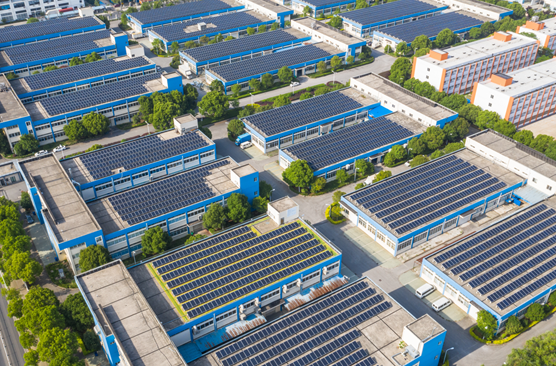
Major milestones mark low‑carbon energy progress through the first six months. National installed power capacity reaches 4.04 billion kilowatts by the end of June, 10.8 per cent higher year‑on‑year and the largest global aggregate. Non‑fossil installations make up 62 per cent of the total, renewable‑energy capacity accounts for 61 per cent, and coal‑fired plant share has declined to 32 per cent from 61 per cent back in 2010. Since 2010, newly‑added non‑fossil capacity represents 74.5 per cent of all new power assets. China operates the world’s largest and most technically‑advanced ultra‑high‑voltage transmission network, with cross‑provincial transmission capacity exceeding 340 million kilowatts. Systems enabling green power generation, long‑distance delivery and end‑user utilisation take firmer shape.
Coal‑fired generation accounts for 49.7 per cent of total output in the first half‑year, falling below the 50 per‑cent threshold for the first time. This outcome stems from sustained displacement by non‑fossil sources and signals a critical turning‑point for power‑system decarbonisation. Renewable‑energy generation totals nearly 2 trillion kilowatt‑hours, rising roughly 9 per cent year‑on‑year to capture 41.2 per cent of national electricity output. Combined wind and solar generation hits 1.25 trillion kilowatt‑hours, equivalent to 24.6 per cent of overall societal power consumption, as wind‑solar resources advance from supplementary energy towards primary supply sources.
Renewables deliver 61.9 per cent of all incremental electricity demand across the country, positioning green power as the principal source for meeting rising consumption. Fresh renewable‑energy installations reach 117 million kilowatts in the first half‑year, representing 73.9 per cent of all newly‑commissioned capacity. Cumulative renewable‑energy installed capacity hits 2.455 billion kilowatts by end‑June, making up 60.7 per cent of national capacity, with combined wind and solar assets surpassing 1.951 billion kilowatts. Solar‑power installed capacity draws level with coal‑fired capacity, cementing the dual‑driver dynamic between wind and photovoltaic development.
Market‑oriented power‑sector reforms deepen, with price signals responding sensitively to shifts in supply and demand. Total traded electricity volume reaches 3.6848 trillion kilowatt‑hours during the first half‑year, up 24.2 per cent year‑on‑year. Intra‑provincial trades amount to 2.9135 trillion kilowatt‑hours, growing 27.9 per cent, while cross‑provincial transactions total 771.3 billion kilowatt‑hours with 12.1 per‑cent growth. Medium‑and‑long‑term contracts act as a stabilising pillar, covering 88.4 per cent of traded volumes. Spot‑market turnover of 428 billion kilowatt‑hours supports real‑time supply‑demand balancing. Green‑power trades register 164.1 billion kilowatt‑hours, 6.6 per cent higher year‑on‑year, mirroring rising corporate and consumer appetite for low‑carbon power.
Cross‑provincial medium‑long‑term trades, inter‑provincial spot markets and medium‑long‑term platforms across 19 provincial jurisdictions now operate round‑the‑clock throughout the calendar year, lifting transaction frequency substantially. The shift extends beyond expanded trading hours, bringing genuine market evolution from annual and monthly contracting towards daily and intra‑day dispatch. When national power load twice set fresh all‑time highs in mid‑July, maximum cross‑regional transmission volumes simultaneously hit new records. Market‑based mechanisms perform precise resource‑allocation functions during periods of supply stress. Divergent spot‑price levels across regions reflect local load profiles, generation mixes, variable‑energy output and system‑flexibility constraints. Robust pricing in receiving‑end regions such as Guangdong mirrors marginal costs for peak‑demand generation units. Price volatility seen in Shandong and Shaanxi corresponds to the alignment between renewable output and system load. Price‑band adjustments in Liaoning illustrate rapid transmission of seasonal and maintenance‑related factors. Price signals grow more influential in guiding investment and operational behaviour.
Energy‑sector investment reorients toward emerging growth drivers. Key national‑level energy‑project investment maintains positive expansion. Grid infrastructure, charging‑and‑swapping facilities and new‑form energy‑storage stand out as major growth areas, recording respective year‑on‑year rises of 13.5 per cent, 21.8 per cent and 74.3 per cent. Hydrogen‑related investment expands by more than 160 per cent, pointing to strong developmental momentum. New‑form energy‑storage enters large‑scale deployment. Commissioned new‑storage capacity totals 153 million kilowatts by end‑June, up 61 per cent year‑on‑year. Equivalent storage utilisation hours reach 573 within State Grid operating zones and 626 across China Southern Power Grid service territories, both improving year‑on‑year. Since the start of the 14th Five‑Year Plan period, operational new‑storage capacity has leaped from 3 million kilowatts to 136 million kilowatts, delivering successive annual doublings and bolstering system‑regulation capability.
Charging‑infrastructure roll‑out gathers pace. The national stock of charging facilities reaches 23.057 million units by end‑June, a 43.2‑per‑cent year‑on‑year increase. Public charging piles exceed 5 million units, private installations top 18 million units, high‑power charging guns surpass 180 000 units, and county‑level coverage climbs to 98.61 per cent. China retains its position as host of the world’s largest electric‑vehicle‑charging network, underpinning electric‑mobility adoption and low‑carbon travel in rural communities.
Through the second half of the year, core momentum for low‑carbon energy transition remains intact, and overall market conditions are set to stay broadly stable. Coal supply‑demand balances remain tight‑but‑balanced. Safety oversight imposes certain constraints on output expansion, import volumes carry uncertainty, while demand for thermal and chemical‑use coal stays resilient. Coal‑market prices are expected to fluctuate within reasonable bounds, coal will keep delivering its essential back‑stop role, and long‑term displacement by clean sources remains irreversible. Power supply‑demand fundamentals stay balanced, with reliable safeguards for peak‑load episodes, and overall annual electricity consumption is projected to keep rising moderately. Renewable‑energy capacity additions will continue apace. Wind‑power commissioning maintains strong delivery rhythms, while photovoltaic deployment shifts from concentrated rush‑to‑connect patterns towards steady roll‑out. Renewables will keep dominating new capacity additions and deliver sustained low‑carbon impetus for national energy transformation.
热门内容推荐