China’s ship‑and‑offshore‑equipment exports surge amid global new‑building super‑cycle
According to the Shipbuilding Branch of the China Chamber of Commerce for Import and Export of Machinery and Electronic Products, China’s combined exports of ships and offshore equipment reached $39.98 billion over the first seven months of the year, marking a year‑on‑year rise of 31 per cent. The upturn sustains an upward trading cycle, as Chinese ship‑building strengthens its global standing and lays groundwork for trade expansion across the next three to four years.
Tanker segments stand as the primary driver behind export expansion. Oil‑tanker exports climbed 186 per cent year‑on‑year in the January‑July period, while liquefied‑gas‑carrier exports rose by 220 per cent, with the two categories together generating around $15.3 billion in export value. A total of 208 oil tankers were shipped abroad, representing an 89 per cent volume increase alongside a 51 per cent uplift in average unit prices. Eighty‑eight liquefied‑gas and other liquid‑cargo vessels secured export clearance, up 87 per cent in number, with average selling values advancing by 71 per cent.
The sharp expansion stems largely from high‑value contracts for VLCCs, large‑scale LNG carriers and dual‑fuel product tankers secured throughout 2023 and 2024, which are now entering concentrated delivery phases. Improved construction efficiency across domestic yards also contributes to performance. Major shipbuilders have handed over multiple high‑value liquid‑cargo vessels several months ahead of contracted timelines, demonstrating robust execution capacity.
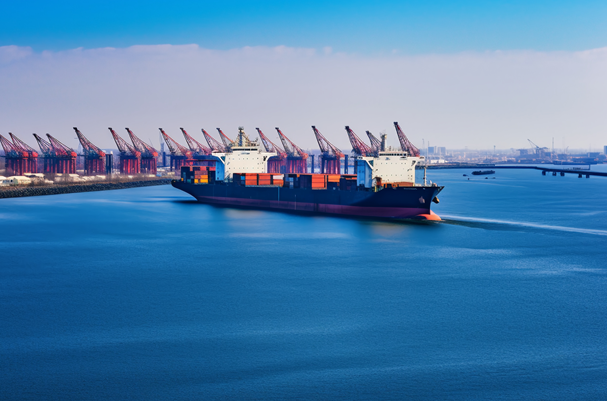
Bulk‑carrier shipments deliver solid support for export growth, displaying stable volumes paired with rising contract prices. Bulk‑carrier exports hit $8.25 billion in the first half of the year, a 43 per‑cent year‑on‑year increase. Vessels of 150 000 dwt and below accounted for 293 export units worth approximately $7.32 billion, up 42.5 per cent in value; unit numbers remained nearly unchanged against the prior‑year comparative period, yet average prices grew by 41 per cent.
Realisation of high‑priced orders secured around 2024 underpins this performance. The product mix within medium‑to‑small bulk‑carrier exports has shifted towards higher‑specification tonnage. Exports of Panamax and Supramax units, each priced above $35 million, jumped to 94 vessels in the first seven months, compared with just 20 vessels recorded for the same timeframe in 2025, lifting average bulk‑carrier export values.
Container‑ship and offshore‑installation exports register cyclical adjustment. Container‑ship export value totalled $5.68 billion across January‑July, down 20 per cent year‑on‑year, whilst offshore equipment and associated vessel exports fell 43 per cent to $2.74 billion. Even so, order backlogs for Chinese offshore assets remain substantial, and progressive hand‑overs of contracted projects are set to materialise in coming periods.
China’s shipbuilding sector moves from volume dominance towards quality‑led leadership within global competition. According to Clarkson Research, global new‑ship contracts totalled 1 481 vessels worth $132.6 billion in the first half of the year, close to all‑time historical highs.
New orders secured by Chinese yards reached 121.06 million deadweight tonnes in the first six months, an increase of 173.1 per cent year‑on‑year and equivalent to 82.3 per cent of the worldwide aggregate. First‑half order volumes have already surpassed the highest full‑year figure on record, with export‑oriented tonnage making up 93.4 per cent of the total. Chinese shipbuilders capture more than 80 per cent of international new‑order volumes across bulk‑carrier, container‑ship and oil‑tanker categories. Order quality has advanced in parallel. LNG‑carrier contract volumes and market share continue to climb, reinforcing international competitiveness. Chinese yards hold over 68 per cent of global new‑order share for green‑fuel vessels.
By the end of June, China’s outstanding ship orderbook stood at 363.25 million deadweight tonnes, rising 54.9 per cent year‑on‑year and accounting for 71.2 per cent of the global total. Export‑bound tonnage represented 92.1 per cent of this backlog. Existing order books at domestic shipyards generally cover production capacity for the next three to four years, creating visible earnings visibility. Average export values per vessel look set to move higher as LNG carriers, ultra‑large container ships and dual‑fuel green vessels enter intensive delivery cycles, lifting overall trade turnover.
Completed ship output totalled 36.5 million deadweight tonnes during the first half, up 51.2 per cent year‑on‑year and contributing 62.2 per cent of global completed tonnage. Export vessels constituted 94 per cent of this completed volume. Expanding finished output reflects sustained improvements in production capacity and building efficiency at Chinese shipyards, supporting consistent, reliable fulfilment of contractual commitments and strengthening confidence among international ship‑owners.
High‑value contracted tonnage including LNG carriers, ultra‑large container ships and dual‑fuel green vessels will keep flowing through delivery pipelines. Chinese ship exports are poised to maintain a trajectory of rising volumes alongside strengthening unit prices.
热门内容推荐