Scientific Approaches Rehabilitate Saline‑alkali Land for Grain Production at Bright Food’s Agricultural Subsidiary
According to Xinhua News Agency, the agricultural development arm under Bright Food Group has stepped up efforts to unlock the long‑term productive potential of fallow saline‑alkali farmland. Its dedicated soil improvement task‑force works alongside domestic universities and research institutes, merging traditional agronomic know‑how with cutting‑edge biotechnologies to develop replicable rehabilitation solutions. Such work helps to bring idle reserve farmland back into productive use.
Traditional land‑remediation methods are being refined to drive down operational costs. Through precise field measurement, technical teams have optimised application ratios for soil‑conditioning agents. Whilst safeguarding tangible improvements to soil quality, the adjusted formula cuts overall input expenditure. This creates an economically viable pathway for large‑scale treatment across extensive stretches of previously unproductive saline‑alkali terrain.
The enterprise pursues a twin‑track strategy combining soil restoration and seedling protection. Specially formulated soil amendments ease compaction in degraded ground and build favourable growing surroundings for plant root systems. At the same time, advanced seed‑coating techniques form a protective outer layer over seeds. Germination rates and stress tolerance rise noticeably under harsh saline conditions. The paired measures strengthen growth conditions for field crops and establish dual safeguards for stable harvest yields.
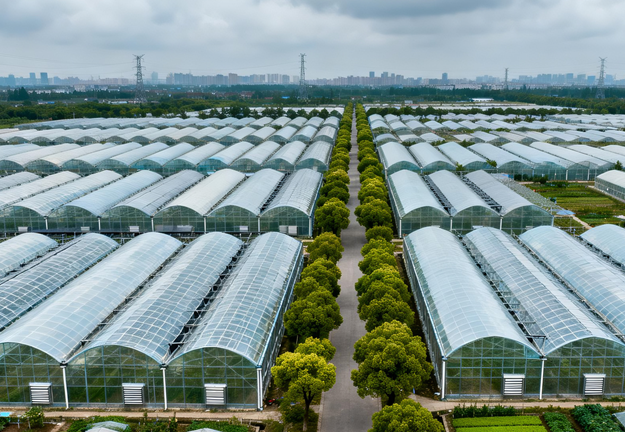
Carbon‑dot agricultural technology, known informally as “nanomagic” within farming research circles, has now been deployed on these saline‑alkali sites. Only tiny quantities of this novel preparation are required to awaken intrinsic seed vitality. It delivers marked gains in crop quality and output with comparatively modest investment, lifting the economic value of formerly barren land and realising mutual advances in resource expansion and technological innovation.
Ongoing practical work balances immediate field outcomes with longer‑term planning for land management. Technical teams will keep iterating and refining the full suite of rehabilitation technologies. Improvements to land quality and farm yields reinforce foundations for domestic grain security, maintain the quality of primary food supplies, and deliver sustained momentum for the further progress of modern sustainable agriculture.
热门内容推荐