China’s Advanced Manufacturing Gathers Momentum in Opening Year of 15th Five‑Year Period
According to Guangming Online, a string of landmark industrial milestones has marked the opening phase of China’s 15th Five‑Year cycle. In March, the second domestically‑built large cruise ship, Adora Floral City, was successfully floated out of its dry‑dock facility. The country’s highest‑capacity single‑line production plant for 48K large‑tow carbon‑fibre came on‑stream in May. Come September, Gravity‑1 Y‑3 carrier rocket lifted off from maritime waters in the East China Sea, completing the world’s first mobile sea‑launched mission for constructing a low‑orbit broadband internet satellite constellation. These breakthroughs signal strong forward momentum for advanced manufacturing across China.
The National Conference on Advanced Manufacturing was held in Beijing over 16‑17 September. Policy frameworks set out during the event steer domestic industrial development along three core developmental strands: smarter operation, greener production and integrated industrial convergence. Work will continue to reinforce self‑reliance across industrial supply chains and build a modern industrial framework underpinned by advanced manufacturing, consolidating the real‑economy foundation. During the 15th Five‑Year period, concentrated efforts will target hard‑core technological research, forward‑looking layout for emerging sectors and deeper progress on the three‑pronged transformation pathway.
Self‑reliant core technologies constitute the bedrock strength of advanced manufacturing. Back in February, high‑performance expandable metallic pipes developed domestically were deployed deep inside a shale‑gas well in Fuling, Chongqing. Functioning much like vascular stents, these components expanded underground to restore the well‑bore’s structural integrity and pressure‑bearing performance. More than ten years of persistent research delivered a complete, home‑grown technical system; twelve product specifications are now manufactured in stable batch output. The technology has ended reliance on equivalent imported goods and started entering overseas markets.
A sequence of other technical achievements has unfolded across different industrial fields. The first full‑scale industrial plant adopting the butadiene route for adiponitrile production has reached full operational capacity, removing long‑standing bottlenecks for the domestic high‑grade nylon sector. The world’s first 25‑tonne metre ring‑rail crane has rolled off the production line, filling domestic gaps for heavy‑lifting equipment used within nuclear‑power construction. Demonstration validation for the Taihang series gas turbines has been completed, supporting wider industrialisation and commercial roll‑out of domestic gas‑turbine products. The national conference has called for stronger impetus for industrial‑led innovation, improved fundamental research backing, targeted research on core bottleneck technologies and more effective commercialisation of scientific results. In the years ahead, national manufacturing‑focused innovation centres and intermediate testing platforms will be further developed. Innovation resources will be channelled towards enterprises, helping refine business‑led innovation ecosystems and foster new‑quality productive forces.
Emerging industries are building up powerful new industrial dynamism. The World Robot Conference opened in Beijing this August, putting an extensive range of intelligent robotic hardware on public display. These robots carry out warehouse sorting, field inspection and security patrol assignments alongside agile movement and competitive demonstration activities on‑site. Industry statistics show that for humanoid and quadruped intelligent robots, eight out of every ten units sold across global markets are now manufactured within China.
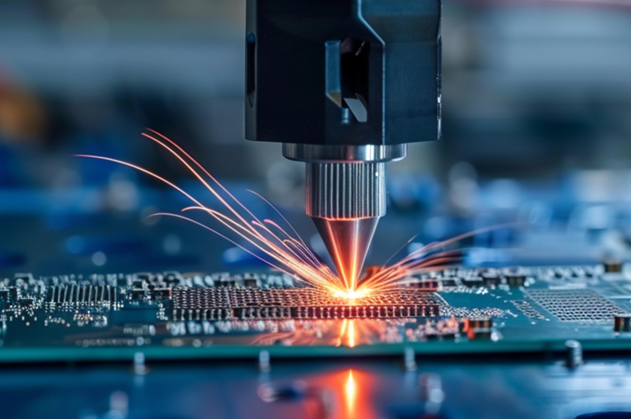
Key emerging pillars including integrated circuits, aerospace equipment, biomedicine, low‑altitude aviation and intelligent robotics are expanding rapidly, while frontier fields such as embodied intelligence and brain‑computer interfaces keep evolving. Positive early results have been registered for these sectors during this opening year. In the first half of 2026, output of integrated circuits from large‑scale industrial facilities rose more than 23 per cent year‑on‑year. Thirty‑one out of thirty‑eight newly approved innovative pharmaceutical products launched in this six‑month window were domestic developments. Within aerospace, the C919 large passenger jet has recorded forty‑one deliveries in total and accumulated more than 130,000 safe flying hours. The maiden launch‑and‑recovery mission of the Long March‑10B rocket has marked substantial progress for China’s reusable launch‑vehicle technology.
New administrative documents have been issued successively, covering management arrangements for national emerging‑industry innovation hubs as well as sector‑specific development roadmaps for intelligent‑connected new‑energy vehicles and electronic‑information manufacturing over the 15th Five‑Year timeframe. Industrial development for these rising sectors will require coordinated work spanning technology screening, application‑driven incubation and ecosystem building. Regional conditions will also be respected as different localities pursue orderly industrial expansion.
Traditional manufacturing sectors are undergoing revitalisation through intelligent, green and integrated transformation. Chinese‑made air‑conditioning products have recorded robust sales across European markets this summer, illustrating fresh innovative vitality within the home‑appliance manufacturing sector. Production lines are being upgraded with intelligent manufacturing architecture to deliver interconnected shop‑floor workflows, data‑driven decision‑making, flexible fabrication and end‑to‑end system integration, supporting reliable operations at manufacturing sites spread across the globe.
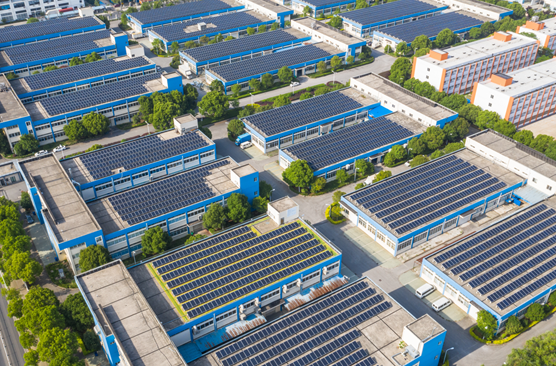
Measurable progress is already visible in the upgrading of established industrial segments. More than thirty per cent of large‑scale Chinese manufacturing enterprises have now deployed artificial‑intelligence tools on‑site, and over 500 high‑performing smart factories have been established nationwide. The total output value generated by national‑level green factories has climbed to account for 22 per cent of overall turnover for large‑scale manufacturing concerns, up from an earlier 9 per cent. New business patterns including shared manufacturing, mass customisation and whole‑lifecycle asset management have gained broader acceptance.
The national manufacturing conference acknowledges the sweeping changes brought by a new wave of technological and industrial revolution. Digital‑intelligent empowerment, high‑end domestic technology development, low‑carbon production and cross‑sector integration will guide the transformation drive for established manufacturing. In coming years, dedicated revitalisation initiatives for traditional industries will be rolled out. National standards, digital‑green technological upgrading and environmental regulatory frameworks will jointly underpin quality enhancement and brand‑building. Pilot city programmes for advanced technological retrofitting of manufacturing facilities will move forward. Work will also proceed on upgrading industrial standards and raising overall product quality, cultivating distinguished domestic manufacturing brands. Across every segment, China’s advanced‑manufacturing ecosystem keeps evolving and moving towards greater industrial strength.
热门内容推荐