Mussel‑farming links land and sea in Shengsi, Zhejiang
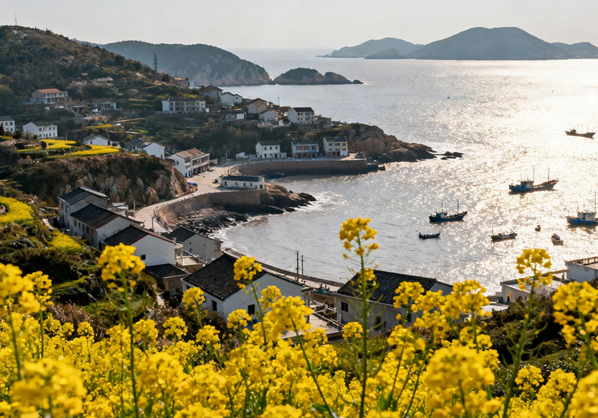
According to [People.cn](https://People.cn), mussel aquaculture on Gouqi Island in Shengsi County of Zhoushan demonstrates how on‑shore resources can support marine‑based production along China’s eastern coast. Laboratory facilities on‑site run regular quality and safety checks for farmed mussels.
Early generations of local growers faced heavy uncertainty. Typhoons frequently destroyed floating rafts and buoys, wiping out months of work. Even in favourable weather conditions, fluctuating market prices created difficulties for independent small‑scale producers, who often saw strong harvests fail to bring higher income.
Local producers set up a cooperative back in 2012 to unite scattered households and establish unified branding for their farmed goods. Outdated polluting foam buoys were phased out. New‑style environmentally friendly buoys and hull panels were developed after repeated material trials.
All the information for marine farming plots was fed into the Gouqi Township digital aquaculture management platform, so production data could be tracked and product quality controlled from the earliest growing stages. In 2024, the county rolled out its first evaluation scheme for marine aquaculture practitioners.
Experienced local growers obtained senior aquaculture‑specialist credentials and county‑level U‑category talent status, gaining access to technical training and credit support to expand their operations.
Research teams from Zhejiang Ocean University and Shanghai Ocean University have set up field laboratories close to the shore. Local farmers provide boats and manpower for water‑quality testing and biological sampling work. This practical collaboration has helped introduce triploid breeding and artificial up‑flow installations for marine farming sites.
Digital early‑warning platforms send out alerts ahead of typhoon events, allowing farmers to secure their aquaculture facilities in good time. An aquaculture‑focused insurance scheme is also available; individual farmers cover just 25 per cent of the total premium, with the remainder subsidised through different tiers of public finance.
Local authorities have expanded downstream mussel‑processing activity. Quick‑frozen mussel products have come onto the market. Automated sorting lines select specimens above nine centimetres for a premium product named “Butterfly King Mussel”, which delivers substantially higher market value compared with selling raw shellfish directly.
The integrated model brings scientific support from land‑based facilities to marine aquaculture grounds, creating joined‑up development across on‑shore research and offshore farming.
热门内容推荐