Natural rubber price surge triggers round of tyre price hikes by more than 60 manufacturers
According to Securities Daily, natural rubber prices have climbed sharply, prompting over 60 tyre producers to issue price adjustment notices across the sector.
On 9 October, the main natural rubber futures contract on the Shanghai Futures Exchange closed at 20,645 yuan per tonne, a 2.89% daily rise, with an intraday peak of 20,775 yuan per tonne, marking the highest level in nearly nine years. The upward movement stems from rainfall disruptions in Southeast Asian growing regions, interrupted tapping operations, raw material stockpiling by processing plants, and market expectations over El Niño impacts.
Since September, more than 60 tyre firms have released over 70 price increase announcements covering all product categories including radial truck tyres, passenger car tyres and off-road tyres, with rises ranging from 2% to 5%. Over 20 manufacturers rolled out price adjustments during the National Day holiday, nine of which implemented a second round of price rises within a short period. This marks the fourth round of collective price increases within 2026.
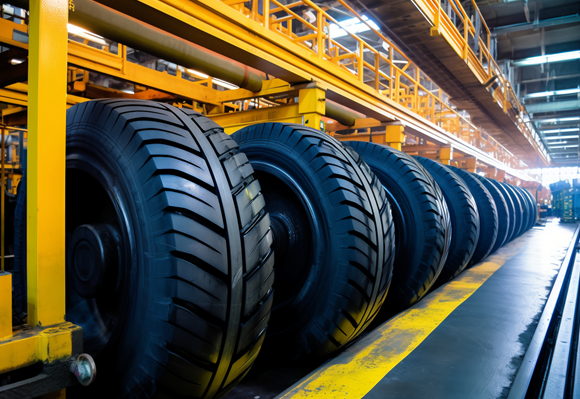
Raw materials account for more than 70% of tyre production costs, with natural rubber, synthetic rubber and carbon black together making up over 60% of total expenditure. Other key raw materials have also remained at elevated levels. Carbon black benchmark prices stood at 11,692.86 yuan per tonne on 1 October, a year-on-year rise of 59.74% and a six-year high. Butadiene rubber and styrene butadiene rubber recorded respective annual increases of 39% and 36%.
Jiangsu General Science Technology stated in its pricing notice that steep rises in natural rubber, synthetic rubber and carbon black have pushed manufacturing costs sharply higher. Guizhou Tyre introduced a 3% to 5% price increase across its full product range from 17 September, while Shandong Linglong Tyre issued two separate notifications lifting retail prices for truck and passenger car tyres by 3% to 5%.
China’s vehicle export growth has sustained demand for domestic tyre producers, though weak retail sales of passenger cars at home weigh on domestic consumption. Faced with combined cost and demand pressures, overseas expansion has become a shared strategy for businesses along the industrial chain. Chinese tyre enterprises have announced nearly 40 billion yuan of planned investment in Egypt this year, turning the country into a new overseas production hub after Southeast Asia. New overseas capacity will take time from project approval to full commissioning and cannot deliver profits in the short term.
热门内容推荐