Nurturing New Growth Drivers for the Event Economy
China Economic Net, published via Economic Daily, reported that a packed calendar of sporting events marked this year’s National Day holiday period. Top-tier professional competitions including the China Open and WTT China Major drew large audiences, while grassroots fixtures such as the Guizhou Village Super League international friendly matches and the national Village BA finals attracted strong public interest. Travelling across cities to attend live fixtures and take part in sport has emerged as a popular leisure and consumption trend over the holiday.
Sporting events satisfy public cultural and fitness demands, while opening avenues for cultural, tourism and service consumption. The General Office of the State Council issued guidelines on developing sporting events to boost consumer activity. The document sets out plans to establish a modern event system with Chinese characteristics by 2030 and foster a portfolio of globally influential sporting competitions. The policy responds to diversified cultural and sporting demands, addresses bottlenecks in the event economy and unlocks domestic consumption potential.
Shifting consumer attitudes have underpinned the rise of the event economy. Fitness awareness has gained wider acceptance, and consumer priorities have moved beyond basic daily needs to embrace healthy lifestyles, immersive experiences and mental wellbeing. Watching matches or joining urban running events serves both recreational and fitness purposes, creating solid public support for the sector.
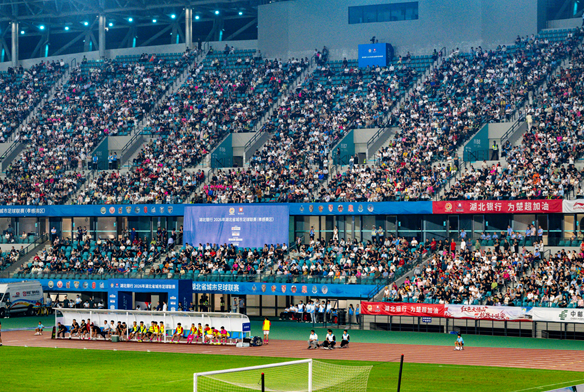
Sporting competitions act as a connector integrating sport, culture, tourism and commerce. Elite tournaments offer domestic brands a showcase, grassroots county-level events energise local cultural tourism, and urban youth-focused competitions expand the boundaries of sporting consumption. Well-designed events draw visitor flows, activate mixed commercial districts and generate strong multiplier effects for local industries.
High spectator turnout alone does not signify a mature industrial ecosystem. Established event economies worldwide rely on long-developed intellectual property, building full revenue streams from ticketing, media rights, sponsorships, merchandise and integrated tourism experiences. China’s event economy remains in the early stages of development. Many organisers prioritise event delivery over ongoing operational management, and some competitions generate temporary spectator interest without lasting industrial depth. Visitor traffic often fades quickly once fixtures end and fails to convert into stable, sustained consumption gains.
Sustained value from sporting events depends on aligning offerings with public expectations and filling industrial gaps, turning short-term spectator interest into lasting social and economic benefits.
A multi-layered event framework is required to cater for diverse groups. Authorities will continue to develop high-profile international event brands and improve standards for professional tournaments. Grassroots competitions such as the Village Super League, Village BA and city marathons will also receive support, alongside youth-oriented activities including skateboarding, cycling and BMX. The layered structure creates competitive opportunities for professional athletes and accessible participation channels for ordinary residents.
Sport is being integrated into urban life beyond stadium boundaries. Event-related visitor flows are linked to tourism routes, commercial viewing experiences and combined cultural and sporting activities. This arrangement captures visitor interest and supports revenue growth across connected sectors.
Long-term IP management frameworks will strengthen the foundations of industrial development. Operators will expand merchandise, themed activities and training services to reduce reliance on ticket sales and short-term sponsorship deals, building balanced and diversified revenue models. Co-operation between public bodies and commercial operators will turn one-off sporting fixtures into enduring city, cultural and industrial assets, converting temporary visitor traffic into stable engagement.
The development of the sporting event economy forms a long-term, systematic arrangement rather than a short-term drive to attract crowds. Retaining the vitality generated by sporting fixtures within cities and local communities sits at the core of the sector’s development.
热门内容推荐