Three Gorges Project maintains sound operation in first three quarters of 2026
According to China Three Gorges Corporation, the Three Gorges Project delivered robust operational performance across the first nine months of 2026. The operator coordinated flood defence, power generation, water supply, navigation and ecological requirements to unlock the full multi-functional benefits of the infrastructure.
Heavy rainfall across the Min-Tuo River, Jialing River and the Three Gorges reservoir catchment pushed the reservoir’s maximum inflow to 38,000 cubic metres per second on 4 August. Water regime observations guided regulated reservoir operations, with outflow rates and water levels adjusted dynamically to sustain flood safety.
The power station’s generating units ran safely and efficiently through the period, producing more than 70 billion kilowatt-hours of electricity. Full-load generation was achieved for the first time during the reservoir’s drawdown phase, meeting power demand during peak summer consumption.
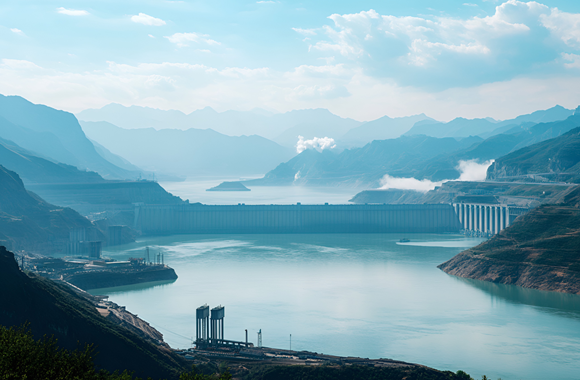
During drawdown operations, average reservoir outflow remained above 7,000 cubic metres per second. Over 20 billion cubic metres of supplementary water was released downstream to sustain industrial and domestic supplies along the middle and lower Yangtze.
As upstream flows declined in the main flood season, reservoir levels were raised modestly to pre-position 5.2 billion cubic metres of stored water for drought response. Annual impoundment began on 10 September, with 13.5 billion cubic metres of water stored to support water supply through the coming winter and spring.
Total freight passing through the Three Gorges hub exceeded 120 million tonnes for the three-quarter period. The ship locks completed 7,200 safe operating cycles, handling more than 26,000 vessels and 118 million tonnes of cargo.
The vertical ship lift resumed navigation on 29 September after its sixth scheduled maintenance shutdown. It will operate in tandem with the ship locks to boost capacity on the Yangtze waterway.
Four ecological regulation trials covering two categories were carried out in 2026 to stimulate fish breeding. Spawning of drifting eggs reached 66.9 billion eggs at Yidu and 60.4 billion eggs at Shashi, while the four major domestic carp species produced 43.5 billion eggs at Yidu and 30.1 billion eggs at Shashi.
Fry counts at Jianli hit 242.4 billion individuals. The volume of carp spawn at Yidu and fry numbers at Jianli set new records, supporting the restoration of aquatic resources in the Yangtze basin.
热门内容推荐