Lanzhou–Pengzhou crude oil pipeline hits 100 million tonnes of cumulative throughput
According to China Oil and Gas Pipeline Network Corporation, published on 4 November 2026, the Lanzhou–Pengzhou crude oil pipeline passed the cumulative delivery mark of 100 million tonnes on 30 October.
The pipeline forms a key component of the unified national oil and gas pipeline network. It runs from Lanzhou in Gansu Province to Pengzhou in Sichuan Province, stretching for 880 kilometres, with a designed annual throughput of 10 million tonnes and a design pressure of 13.4 megapascals. It has operated safely and steadily for 13 years, serving as a strategic energy corridor that transports crude oil from north‑western to south‑western China.

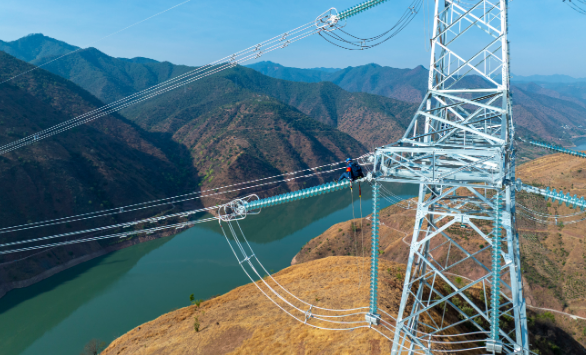
The route crosses 45 mountain tunnels and covers a maximum elevation difference of 2,207 metres. At the time of its commissioning, it was the long‑distance crude oil pipeline in China with the highest design pressure and the largest terrain variation.
The operator has rolled out digital and intelligent maintenance arrangements across the asset. A one‑click start‑and‑stop system supports automated offloading, carrying out valve logic control, crude oil identification, dynamic flow adjustment and real‑time data comparison without manual intervention. A dedicated monitoring and early‑warning platform tracks landslides, flood damage and other geological hazards along the line around the clock.
The platform achieves an accuracy rate above 80 per cent for anomaly detection, generates detailed analytical reports within 30 seconds and distributes alerts to maintenance teams. Digital tools address the distinctive risks of mountainous pipeline operation alongside a four‑party protection framework bringing together enterprises, local authorities, police and local residents.
China Oil and Gas Pipeline Network Corporation has coordinated operators along the route and worked with Sichuan Petrochemical to trial blended Changqing crude, resolving operational difficulties associated with crude transportation in low winter temperatures.
Supporting process upgrades have been completed at the Pengzhou terminal for direct delivery to Tianpeng oil depot, establishing an integrated supply chain covering crude intake into Sichuan, refining and the outward dispatch of refined petroleum products.
The pipeline has ended the absence of large‑scale crude oil pipelines and refining bases in the Sichuan‑Chongqing region. Crude oil originating from Xinjiang and central Asian sources including Kazakhstan travels along the route to the ten‑million‑tonne refinery in Pengzhou, near Chengdu. Refined fuels processed at the facility account for more than a quarter of Sichuan’s refined oil consumption.
热门内容推荐