China’s February CPI and PPI Data Released, Showing Positive Economic Momentum
On March 9, the National Bureau of Statistics released the national Consumer Price Index (CPI) data for February this year. Affected by the Spring Festival, the CPI rose by 1.0% month-on-month and 1.3% year-on-year in February, while the core CPI, which excludes food and energy prices, increased by 1.8% year-on-year.
A chief statistician from the Urban Department of the National Bureau of Statistics noted that the month-on-month growth rate of the national CPI expanded from 0.2% in the previous month to 1.0%, the highest in nearly two years. This was mainly driven by the concentrated release of consumer demand due to the longer Spring Festival holiday, with service prices rising significantly above the seasonal level.
Specifically, service prices increased by 1.1%, an expansion of 0.9 percentage points from the previous month, contributing about 0.54 percentage points to the month-on-month CPI growth. Among services, air ticket prices rose by 31.1%, transportation rental prices by 24.7%, travel agency fees by 15.8% and hotel accommodation prices by 7.3%. Together, these four items contributed about 0.32 percentage points to the month-on-month CPI increase, accounting for more than 30% of the total CPI growth.
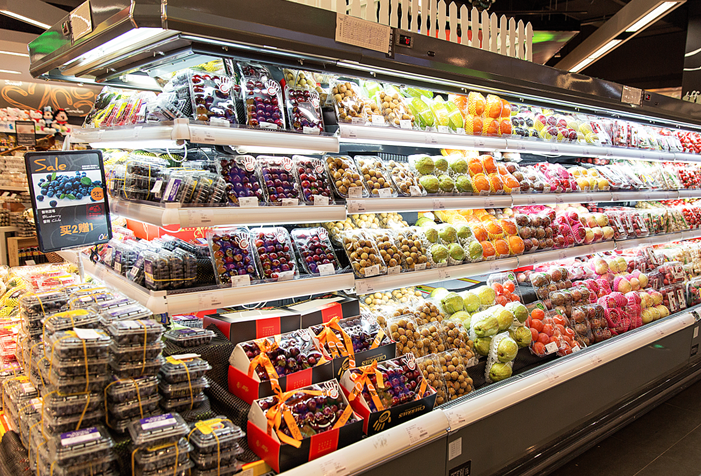
Analyzing the year-on-year data, she pointed out that affected by the staggered Spring Festival and the recovery of consumer demand, the year-on-year CPI growth rate expanded from 0.2% in the previous month to 1.3%, the highest in nearly three years. Service prices rose by 1.6%, an expansion of 1.5 percentage points month-on-month, contributing about 0.75 percentage points to the year-on-year CPI growth. Industrial consumer goods prices increased by 1.1%, an expansion of 0.2 percentage points from the previous month, with gold jewelry prices surging by 76.6%. Food prices turned from a 0.7% decline in the previous month to a 1.7% increase, contributing about 0.30 percentage points to the year-on-year CPI growth.
Meanwhile, driven by factors including the upward trend of international commodity prices, the rapid growth of domestic demand in some industries and the continuous effectiveness of macro policies, the national Producer Price Index (PPI) rose by 0.4% month-on-month and decreased by 0.9% year-on-year, with the decline narrowing for consecutive months.
The chief statistician stated that the month-on-month PPI rose by 0.4%, the same as the previous month, marking the fifth consecutive month of growth. She added that the PPI operation in February had two main characteristics: the upward trend of international non-ferrous metal and crude oil prices drove up the prices of related domestic industries; and the growth in computing power boosted demand and prices in some industries.
On a year-on-year basis, the PPI decline narrowed by 0.5 percentage points from the previous month to 0.9%, narrowing for three consecutive months. She analyzed that the integrated effect of domestic macro policies continued to show, with positive price changes in some industries.
Specifically, first, the accelerated construction of a modern industrial system drove up prices in related industries. With the vigorous development of the "AI+" initiative, the prices of electronic components and special electronic materials manufacturing rose by 4.9%; the continuous advancement of green transformation led to a 3.2% increase in biomass fuel processing prices; and the strong growth of high-end equipment pushed up aircraft manufacturing prices by 7.7%.
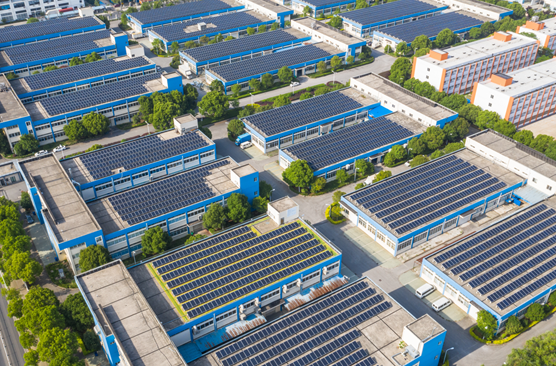
Second, the continuous optimization of market competition order promoted a steady recovery in prices of some industries. The effective regulation of production capacity in key industries and comprehensive rectification of "involutionary" competition led to a 3.2% increase in photovoltaic equipment and component manufacturing prices, an expansion of 2.7 percentage points month-on-month. The price of lithium-ion battery manufacturing turned from a 1.1% decline in the previous month to a 0.2% increase, the first rise after 33 consecutive months of year-on-month decline.