Revised Regulations Bolster Legal Foundation for China’s Agricultural Census Amid Modernisation Drive
As China accelerates its agricultural and rural modernisation drive, the revised Regulations on National Agricultural Census has been rolled out to adapt to new statistical demands and technological advancements, further consolidating the legal framework for conducting this major national survey.
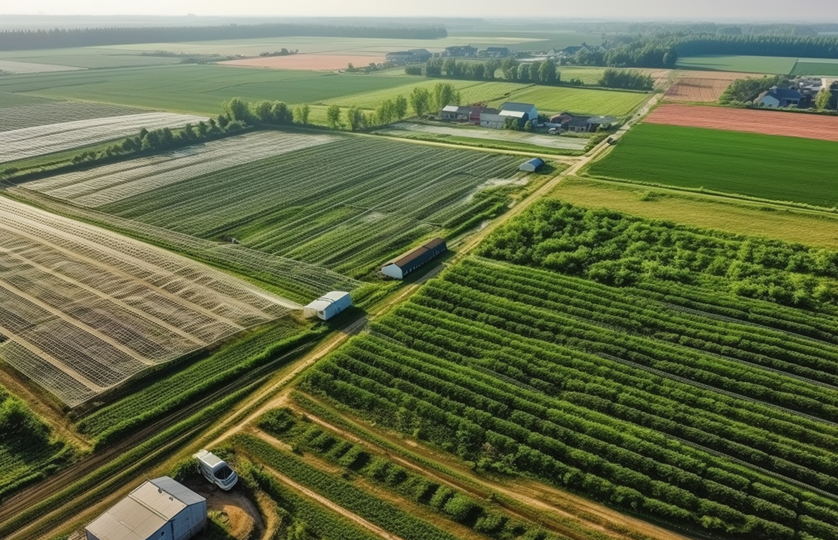
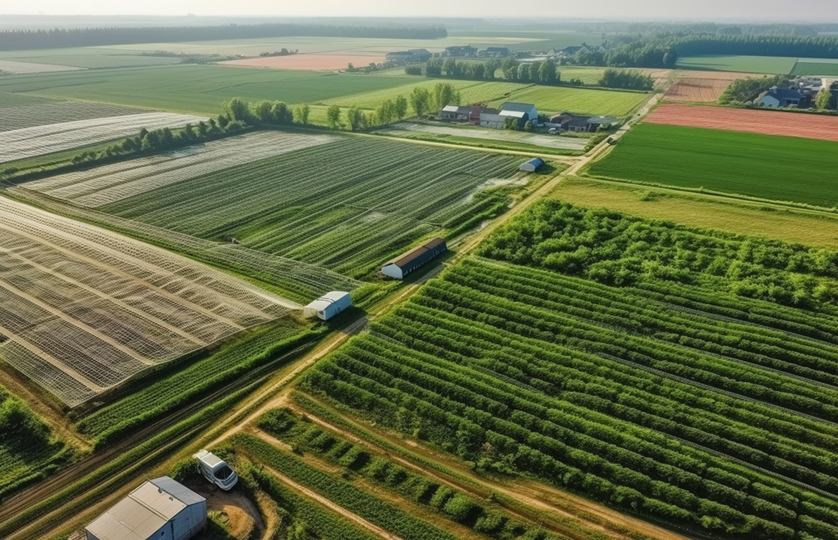
The agricultural census, alongside the economic census and population census, constitutes one of China’s three major periodic national surveys, serving as a crucial barometer of the country’s national conditions and strength. Its primary purpose is to gain a comprehensive understanding of the basic situation of China’s agriculture, rural areas and farmers, providing solid statistical support for the scientific formulation of policies related to agriculture, rural areas and farmers (the “Three Rural Issues”), as well as detailed foundational data for regular agricultural and rural statistical surveys.
To ensure the scientific and effective implementation of agricultural censuses, the State Council promulgated and implemented the Regulations on National Agricultural Census in 2006, which clearly defined the survey’s purpose, objects, scope, content, organization and implementation, data processing and quality control, as well as data release and application. This regulatory framework played a pivotal role in guaranteeing the smooth conduct of the second and third national agricultural censuses, laying a solid foundation for data accuracy and operational efficiency.
Since entering the new era, China has witnessed rapid progress in agricultural and rural modernisation, with the fast development of modern information technologies and growing statistical needs. Traditional survey methods and regulatory provisions could no longer fully meet the requirements of the new situation, making the revision of the Regulations imperative.
The newly revised Regulations, officially released by the State Council on March 26, 2026 (Decree No. 833), have made necessary adjustments to clauses related to census data quality, content and methods, aligning the survey with the pace of agricultural modernisation and technological innovation. “The revision is a proactive response to the profound changes in China’s agricultural and rural development,” said Sheng Laiyun, Deputy Director of the National Bureau of Statistics and Director of the Office of the 4th National Agricultural Census Leading Group. “It will further enhance the scientificity and standardisation of agricultural censuses, ensuring that the data collected truly reflects the new changes in agriculture, rural areas and farmers.”
The agricultural census, conducted every 10 years in years ending with 6, is scheduled to be carried out nationwide in 2026, with the standard time point set at 24:00 on December 31, 2026, and the period data covering the whole year of 2026. The revised Regulations will provide strong legal support for this upcoming census, which will focus on agricultural production conditions, food security, new agricultural productive forces, rural development and farmers’ living standards.
In addition to refining data quality control measures, the revised Regulations also promote the application of modern technologies such as satellite remote sensing, drones and artificial intelligence in the census, combining online reporting with on-site data collection via mobile terminals to improve efficiency and reduce the burden on grassroots workers. This technological empowerment is expected to make the census more accurate and efficient, better serving the formulation of targeted policies for rural revitalisation and agricultural modernisation.
The National Bureau of Statistics noted that the revised Regulations have further strengthened the legal guarantee for agricultural censuses, ensuring that the survey work is carried out in accordance with the law and providing reliable data support for building a strong agricultural country and promoting all-round rural revitalisation. With the legal framework continuously improved, China’s agricultural censuses will better reflect the new achievements of agricultural and rural development in the new era.