Malaysia Emerges as Asia’s Relative Haven Amid Global Energy Turmoil Driven by Middle East Conflict
The ongoing Middle East conflict is triggering a global energy shock, described by the International Energy Agency (IEA) as the “most severe in decades”. JPMorgan Chase has pointed out in its latest analysis that Malaysia, with its unique energy structure and policy resilience, has become one of the relative “safe havens” in Asia to withstand this energy storm, according to China News Service.
Rajiv Batra, Chief Asia and Co-Head of Global Emerging Market Equity Strategy at JPMorgan Chase, stated that Malaysia’s core advantages lie in its status as a net energy exporter and a sound policy framework, which provide a solid buffer against external energy shocks, supporting both its domestic stock market and the stability of its local currency exchange rate.
Batra’s judgment is based on a systematic assessment of energy vulnerability across Asian economies. Currently, approximately one-fifth of global oil transportation has come to a standstill due to the blockade of the Strait of Hormuz, with Brent crude oil futures prices remaining high. Economies highly dependent on Middle Eastern energy imports, such as India, Japan, South Korea, Thailand and the Philippines, have been hit the hardest, facing multiple pressures including expanding trade deficits, currency depreciation and rising inflation.
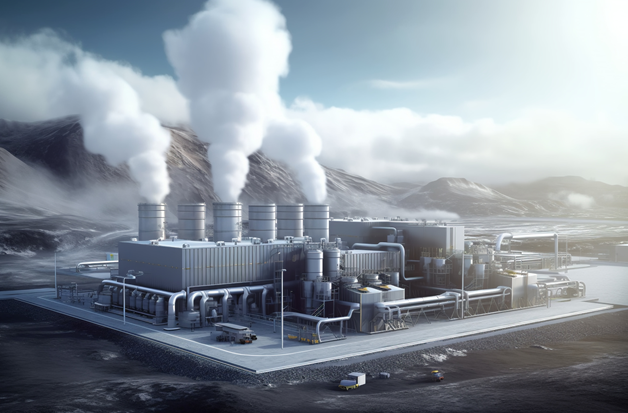
Malaysia’s resilience stems first from its status as a net energy exporter. Unlike most countries in the region that rely heavily on energy imports, Malaysia boasts abundant oil and natural gas resources. Petronas, Malaysia’s national oil company, produces around 500,000 to 570,000 barrels of crude oil per day, and Malaysia is the world’s fourth-largest exporter of liquefied natural gas (LNG). As a net exporter, rising international oil prices have not increased its import cost pressure but instead brought significant growth in export revenues, forming a natural economic buffer.
Malaysian Prime Minister Anwar Ibrahim confirmed in early April that, thanks to Petronas’ long-term cooperation with major oil-producing countries, the country’s energy supply will remain sufficient in the coming months. This buffer has effectively hedged against the risk of domestic inflation and increased foreign exchange reserves, providing key support for exchange rate stability, reported China Daily.
In addition to its resource endowment, Malaysia’s sound macroeconomic policy management is another important pillar in resisting external shocks. Batra highlighted that the Malaysian government has effectively controlled the fiscal deficit through appropriate policies, and domestic inflation has remained relatively moderate, leaving ample policy space to respond to external shocks.
Bank Negara Malaysia (Malaysia’s central bank) kept its benchmark interest rate unchanged at 2.75% at its March monetary policy meeting, demonstrating policy resolve while retaining room for adjustment to address potential future risks. The central bank emphasized that Malaysia is generally in a favorable position to cope with oil price volatility, supported by strong domestic demand, a moderate inflation environment, a sound financial system and resilient external economic conditions.
Batra warned that if the Middle East conflict persists, high oil prices will trigger demand destruction, where consumers reduce oil use due to excessive prices. He predicted that oil prices may remain around $100 per barrel in the second quarter of 2026, and even if they fall to $80 per barrel in the second half of the year, it will drag down global economic growth by about 60 basis points. Malaysia’s buffer mechanisms, however, will help it better resist external shocks and maintain relatively steady growth.
热门内容推荐