IEA’s 2026 Global Energy Review: PV Becomes Top Source of Energy Growth in 2025
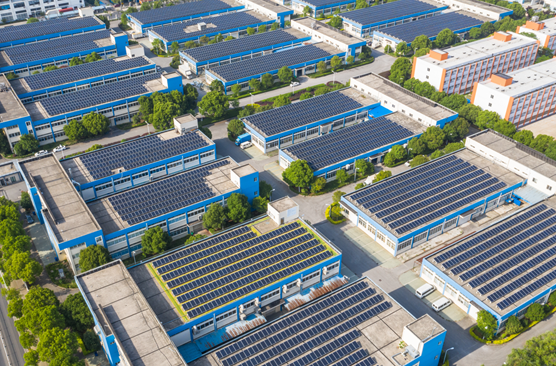
The International Energy Agency (IEA) recently released its annual flagship report, Global Energy Review 2026, noting that global energy demand growth slowed in 2025 amid complex economic and geopolitical contexts, while electricity use maintained strong growth. The report also highlighted that global energy demand growth showed a diversified trend, with solar photovoltaic (PV) becoming the largest source of global energy supply growth for the first time, China News Service reported.
According to the report, global energy demand reached 655 exajoules (equivalent to 1.56 billion tonnes of standard coal) in 2025, a year-on-year increase of 1.3%. This growth rate was significantly lower than the 2.0% in 2024 and slightly below the 1.4% average from 2013 to 2023, mainly due to slowing global economic growth, reduced extreme high temperatures in some regions and the rapid popularization of high-energy-efficiency technologies.
Meanwhile, global electricity demand rose by about 3%, more than twice the overall energy demand growth rate. Although lower than in 2024, the growth rate remained above the 10-year average, driven by multiple sectors in the construction and industrial fields, as well as the rapid growth of electric vehicles (EVs) and data centers in many regions. China Daily stated that the booming demand for data centers and EVs has become a key driver of global electricity consumption growth.
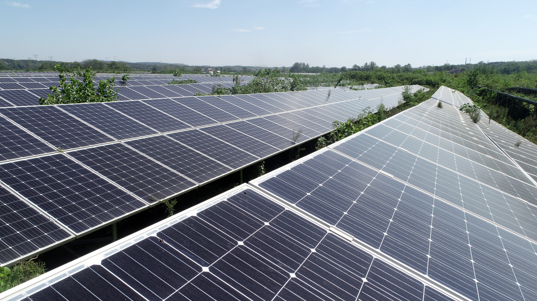
Solar PV emerged as the largest source of global energy supply growth in 2025, accounting for over 25% of the total increment. Natural gas ranked second, contributing 17% of the growth and reflecting its important role in power generation in many countries. Overall, renewable energy and nuclear energy met nearly 60% of the growth in energy demand, with their total power generation exceeding the entire increment in electricity demand.
Global oil demand rose by only 0.7% in 2025, as sustained EV growth curbed road transport fuel demand. The IEA previously predicted that global EV sales would exceed 20 million units in 2025, accounting for about a quarter of global new car sales. EV sales in the EU increased by 30%, and Europe, including the UK and Norway, became the world’s fastest-growing EV market. In contrast, U.S. EV sales fell by 2% after the government revoked the $7,500 EV tax credit in September 2025.
Fatih Birol, Executive Director of the IEA, said, “Against complex economic and geopolitical backgrounds, global energy demand still grew in 2025, but a clear trend is that the electrification level of major economies is rising, making electricity consumption grow much faster than overall energy demand.” He added that countries prioritizing energy resilience and diversification are best placed to cope with fluctuations.
Major economies showed significant differences. U.S. energy demand rose by over 2% in 2025, driven by strong data center demand, steady industrial activities and cold winter temperatures. Thanks to the rapid growth of renewable energy in China’s power sector, which reduced coal consumption, China accounted for the largest share of global energy demand growth but saw its growth rate drop to 1.7%. Global energy-related CO2 emissions rose by about 0.4%, with China’s emissions falling and India’s remaining flat for the first time since the 1970s.
热门内容推荐