The 2026 Series of Talks at Salone del Mobile.Milano Kicks Off, Focusing on the Future of Design and Industry Transformation
Recently, the core agenda of the 2026 Series of Talks at Salone del Mobile.Milano was officially announced. With the theme "Drafting Futures. Conversations about Next Perspectives", hosted by Annalisa Rosso, the forum focuses on the in-depth integration of four major fields: architecture, design, manufacturing and industry. It aims to interpret the current industry changes, take design culture as the link, promote the cross-border convergence of different disciplines, and jointly explore new paths for industry development.
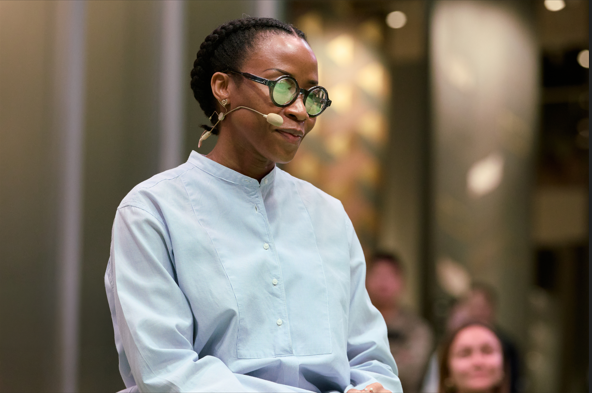
During the forum, Oshinowo, drawing on her experience in architectural practice in Africa and her curatorial work on innovation under conditions of scarcity, redefines architecture and urban planning from a global perspective and advocates breaking through the design limitations of "abundance-oriented". Through critical examination of the current situation of architecture and urban planning on the African continent, her lecture challenges conventional design paradigms, promotes a perspective that pays attention to the cultural and climatic imperatives of the 21st century, and provides a new dimension of thinking for industry development.

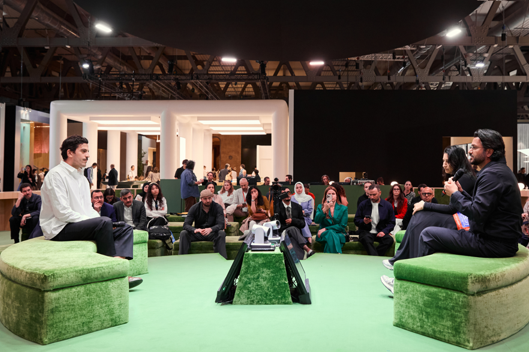
The forum also highlighted Arab Design Now, one of the most authoritative publications dedicated to contemporary design in the MENASA region. It offers an in-depth overview of more than 70 designers active in the fields of architecture, product design and craftsmanship, presenting a rich panorama covering the Levant, the Gulf and North Africa. On this occasion, the second edition of the book will be announced, which will be published in 2026 and curated by Noura Al Sayeh-Holtrop. It is a fundamental and evolving editorial project that reflects the richness and diversity of the Arab world, developed with the support of Design Doha, a long-term platform that strengthens the networks of creators and thinkers, supports the transmission of knowledge, and positions design in the MENASA region as a vital force.
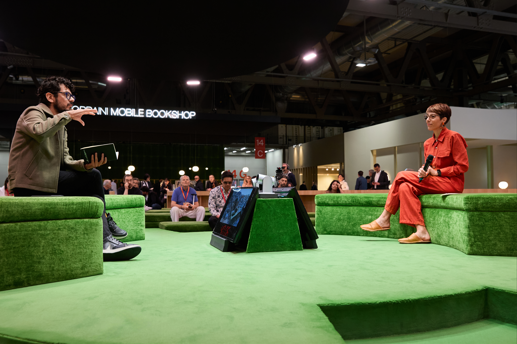
In addition, the forum also included keynote speeches and a roundtable discussion. Among them, the keynote speech "Mobile Made in Italy: Challenges and Opportunities in a Continuously Evolving Market" was hosted by Stefania Trenti, Head of Industry and Local Economies Research at Intesa Sanpaolo, which in-depth analyzed the current situation of the industry.
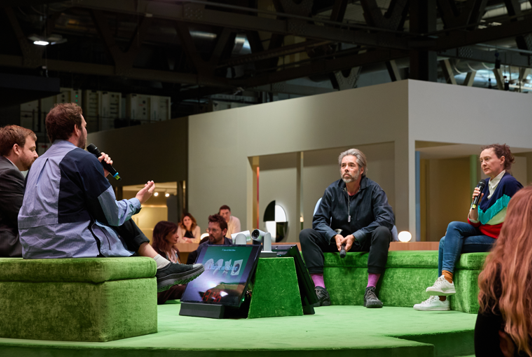
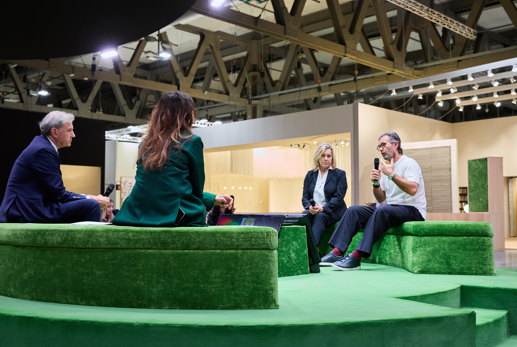
The roundtable discussion, centered on "The Value of Italian Design and the Strength of Industrial Chains Facing New Economic and Geopolitical Challenges", explored the challenges and opportunities posed by the international context to the furniture sector and home furnishing industrial chains, with particular attention to the key role of finance in supporting the global competitiveness of Made in Italy. At the core of the discussion were investment strategies, paths towards sustainability and innovation as a driver of growth. The analysis by the Research Department of Intesa Sanpaolo was complemented by direct testimonies from some enterprises in the sector and reflections on the value of intellectual property as a strategic guarantee for the identity and excellence of Italian design in the world, offering an integrated perspective between macroeconomic data and entrepreneurial visions on the new routes of global markets.
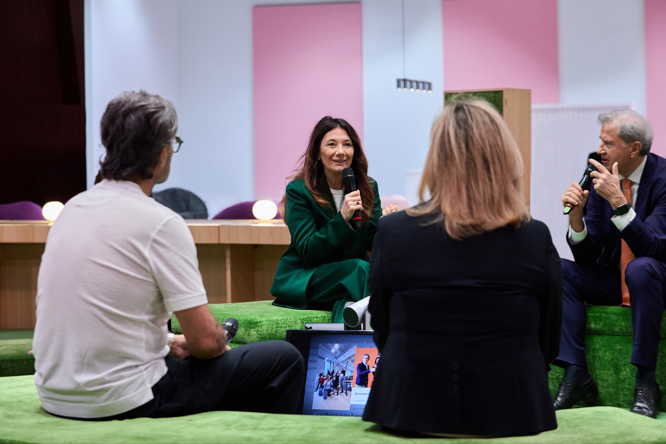
Another thematic forum, "Two Speeds of Design", observes that authorial design and mass consumer product design are two forces that define contemporary practice and the resulting market. Serial design offers great diffusion, continuity and wide applicability. Authorial design — unique pieces, limited editions, independent creations — is a space of freedom: a territory where imagination, experimentation and risk can act without constraints. Moving between these two worlds is, for the most visionary figures in the sector, a thoughtful choice and a source of creative energy.
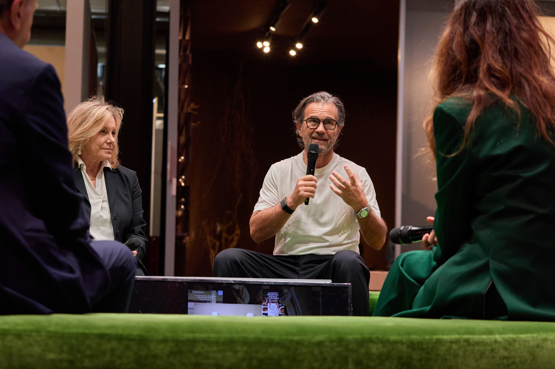
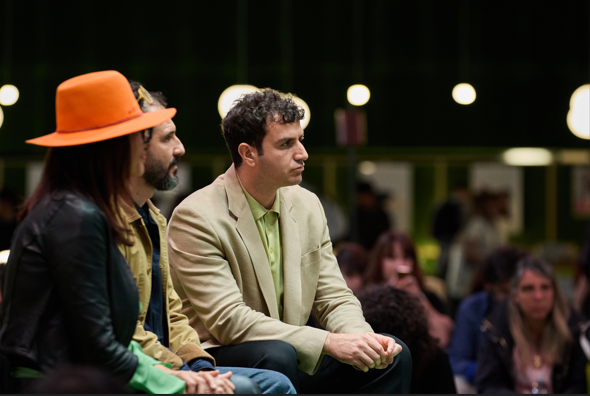
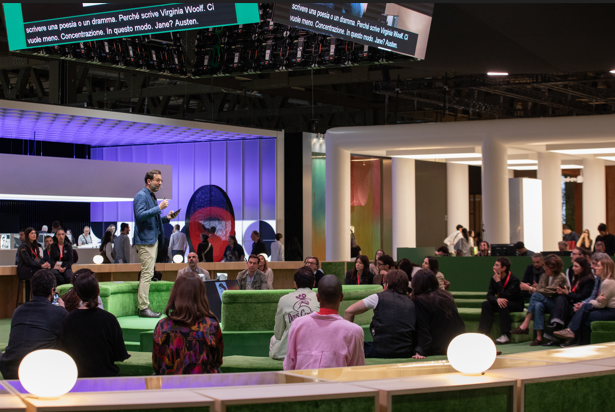
The forum pointed out that limited editions and commissioned projects function as laboratories of research — material, conceptual and formal — while serial production translates and brings that research into form and distribution, grappling with the logics of scale, volumes and costs. The relationship between the two is dynamic, not hierarchical, and their coexistence reflects a mature design ecosystem — capable of responding to both cultural ambition and industrial reality, providing valuable experience for the sustainable development of the global design industry.(All the images: courtesy of Salone del Mobile.Milano)
热门内容推荐