China’s Bonded Zones Deliver Strong Trade Growth Amid Industrial Upgrade
According to the General Administration of Customs of China, China’s comprehensive bonded zones registered robust foreign trade growth in the first four months of the year. Total import and export volume reached 2.7 trillion yuan, representing a year-on-year increase of 25.2 per cent and accounting for 16.8 per cent of the country’s overall foreign trade volume.
These special economic zones have evolved into pivotal platforms supporting China’s open trade development system. The nationwide network of customs-supervised special zones currently totals 174. The portfolio comprises 168 comprehensive bonded zones, four standard bonded zones including Shanghai Waigaoqiao, Dalian, Ningbo and Futian, one cross-border industrial zone at Zhuhai Park of Zhuhai-Macao Cross-border Industrial Zone, and Yangpu Bonded Port Area.
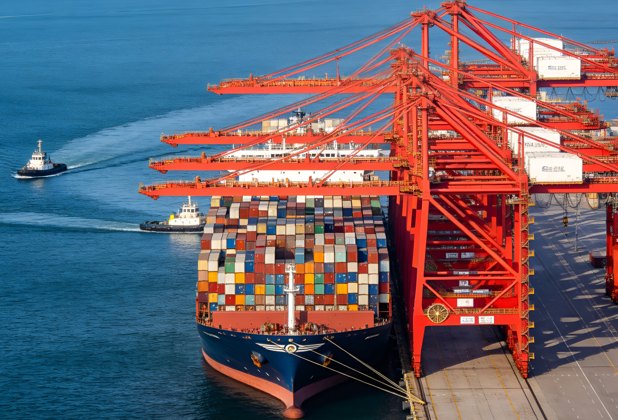
China has rolled out new policy guidelines to drive functional upgrading and capacity expansion for comprehensive bonded zones. The newly issued regulatory document introduces systematic reforms to reshape the operational positioning and industrial layout of these zones. Traditional development models focused on simple processing and logistics services are giving way to diversified, high-end integration of advanced manufacturing and modern service industries.
The strategic orientation of comprehensive bonded zones is also undergoing profound adjustment. The previous model centred on export-oriented processing with raw materials and markets overseas is being upgraded to serve the dual circulation development pattern, linking domestic and international markets more efficiently. The policy framework aims to unlock greater institutional dividends and empower high-quality opening-up.
Supported by refined customs supervision and streamlined trade procedures, comprehensive bonded zones continue to release industrial vitality. They support cross-border inventory allocation, bonded processing and international transit businesses, effectively stabilising regional industrial and supply chains. Continuous policy optimisation will further accelerate factor flow and resource allocation within these special zones.
With institutional advantages and clustered industrial resources, comprehensive bonded zones will keep driving structural optimisation of China’s foreign trade. The ongoing industrial and functional transformation will strengthen their role as core carriers for external trade expansion and domestic industrial upgrading.
热门内容推荐