Thermal power peak regulation boosts Gansu’s new energy grid stability
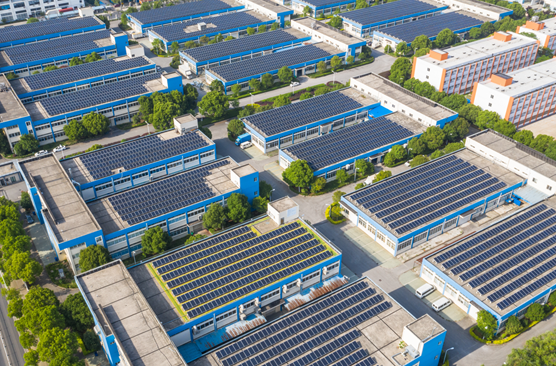
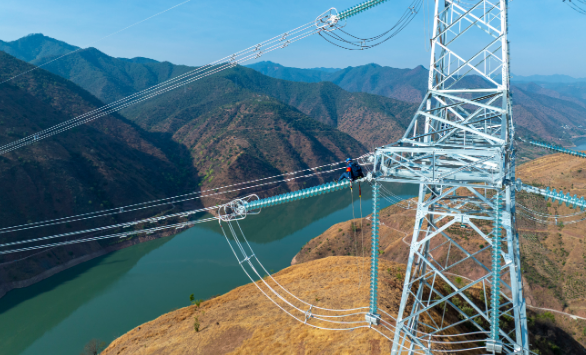
Xinhua News Agency reports that Gansu Province continues to expand installed capacity for wind and solar power, with renewable energy output repeatedly hitting new highs. The intermittent and volatile nature of new energy generation poses significant challenges to grid balance and stable power dispatching. To address such operational pressure, four thermal power enterprises under Gansu Provincial Electric Investment Group leverage 16 large-scale, high-efficiency generating units to deliver reliable peak regulation support throughout 2026.
These thermal power units conduct frequent start-stop operations and deep peak shaving to maximise grid space for new energy power generation, enabling steady generation and external transmission of green electricity. Latest operational data shows Gansu’s industrial new energy power generation reached 25.36 billion kilowatt-hours in the first quarter, representing a year-on-year increase of 10.8 per cent. The volume of outward green power transmission rose 16.59 per cent year on year.
Strong thermal power flexibility serves as the core guarantee behind the robust growth of green power supply and delivery. Up to now, the group’s thermal power enterprises have completed 72 unit start-stop peak regulation tasks, with more than 30 deep peak shaving and load adjustment operations conducted on average each day. The flexible load regulation effectively balances power supply and demand, acting as a stable anchor for local power grid security.

Frequent start-stop operations bring rigorous technical challenges compared with steady-load operation. Each startup and shutdown subjects core equipment to drastic temperature and pressure fluctuations, raising risks of metal fatigue and component wear. Technical teams carry out targeted optimisation to mitigate operational losses, refining startup and shutdown curves and dynamically adjusting heating and pressurisation parameters to reduce thermal impact on unit facilities.
Enterprises fully utilise shutdown intervals for comprehensive equipment maintenance and defect elimination, ensuring all units maintain responsive and reliable operational status. More than 1,800 front-line operation and maintenance staff work around the clock to monitor real-time operational parameters, control equipment variation and resolve potential faults, forming a solid operational guarantee for continuous peak regulation and power supply security.
Gansu will further optimise thermal power dispatching modes amid the rapid expansion of new energy installations. Subsequent work will focus on upgrading unit start-stop procedures, enhancing deep peak shaving capacity and improving rapid grid response capabilities. Continuous optimisation of complementary coordination between thermal power and new energy will support long-term regional power grid stability and accelerate the province’s low-carbon energy transformation.
热门内容推荐