Hubei Expressway Virtual Power Plant Secures Full Market Trading Eligibility, Delivering Integrated Transport-energy Solutions
Per China Economic Network reports, a virtual power plant scheme built by Hubei Communications Investment New Energy Company has completed registration and public disclosure formalities at Hubei Power Trading Centre, gaining official qualifications to operate within the marketised electricity trading system. This breakthrough enables expressway infrastructure to shift from pure power consumers to independent power sellers, advancing deeper integration between national transport networks and energy grids while rolling out a replicable local model for the transport sector to advance carbon peaking and carbon neutrality targets.
Technical deployment work has been finalised across three operational zones under the project, covering Xiaogan, Jianghan and Enshi. Engineers have installed and calibrated 156 dedicated metering devices alongside frequency regulation gateways serving 30 ultra-fast charging stations along trunk routes. Operational testing verifies the integrated system delivers a flexible adjustable capacity of 13.79 megawatts, capable of sustained load regulation for more than one hour, with data transmission integrity maintained above 99 per cent. All technical benchmarks fully comply with entry standards laid down for virtual power plants participating in Hubei’s electricity market framework.
With formal market trading credentials secured, the virtual power plant functions as an independent market entity authorised to aggregate scattered energy assets and take part in medium-and-long-term electricity contracts, spot trading platforms and frequency regulation auxiliary service markets. Its intelligent dispatching architecture brings tangible improvements to daily operations at roadside service areas. The automated system stores surplus electricity during off-peak tariff windows and releases stored power to generate revenue when market prices surge. This operational logic guarantees stable power supply for charging piles at peak travel hours and rationalises energy utilisation during low-demand periods, easing queues and charging shortages for electric vehicle drivers traversing provincial motorways. Consistent energy provision also strengthens power reliability across service facilities, lifting overall travel experiences for lorry drivers and private motorists.
The intelligent control platform operates round the clock as a centralised energy coordinator, tracking real-time tariff fluctuations and redistributing aggregated resources dynamically in response to grid signals. Financial projections calculated from operational trials show annual comprehensive revenue exceeding 2 million yuan through multi-category electricity market participation, with static payback periods capped at six years. Idle distributed energy assets distributed along expressway corridors are being unlocked and transformed into continuously appreciating revenue-generating resources.
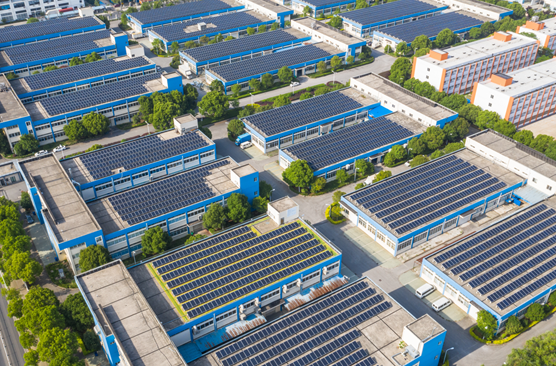
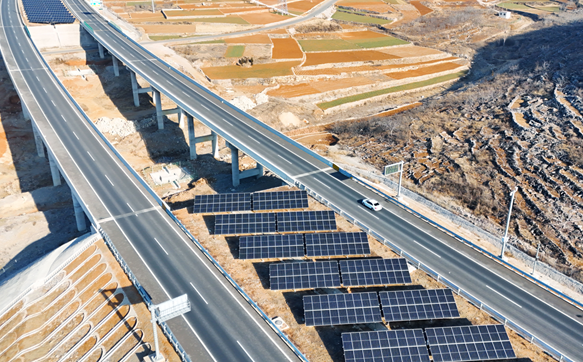
Coordinated optimisation of photovoltaic generation, energy storage, charging infrastructure and flexible power loads raises local absorption ratios for distributed solar power, curbing wasted photovoltaic output known as curtailment. Energy storage hardware moves from underutilised static equipment to responsive grid regulators, while high-consumption charging hubs evolve into flexible demand-side resources. The scheme stands among the nation’s first large-scale virtual power plant deployments within the transport industry, establishing standardised technical workflows and commercial frameworks that can be replicated across regional highway networks nationwide.
Industry analysts observe that transport-focused virtual power plant developments will expand across more provincial highway systems in the coming years, as regional power trading authorities streamline market access rules for aggregated roadside energy assets. Cross-sector alignment between transport and energy regulatory bodies will further refine operational standards for similar integrated projects, unlocking additional economic and low-carbon benefits from existing highway infrastructure stock.
热门内容推荐