Petrochemical Industrial Tourism Booms: Zhenhai Refinery Blends Cyber Industrial Scenery, Ecological Habitats and Sustainable Aviation Fuel Innovation
According to CCTV reports, industrial tourism has become a standout segment of China’s cultural and travel market over the Dragon Boat Festival break, with previously restricted industrial complexes drawing record visitor numbers. Zhenhai Refining & Chemical in Ningbo, Zhejiang, has risen to viral fame as a photography hotspot after serving as a shooting location for hit productions Pegasus 3 and A Small Alley in the Wind. Regular public open days are now held at the site, welcoming local residents and tourists to witness the transformation of modern heavy industry first-hand.
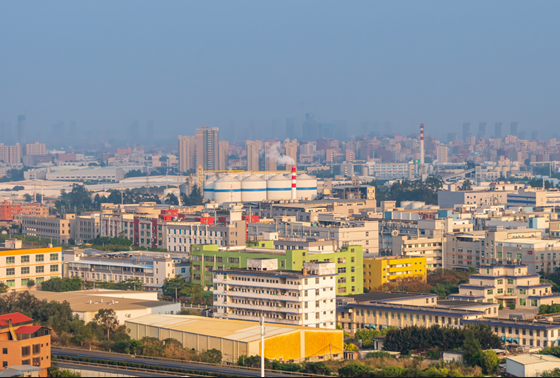
When night falls, the sprawling refinery complex glows with layered lighting outlining crisscross pipe networks and rows of storage tanks, creating a futuristic cyber-industrial landscape that has sparked widespread online attention. Long-standing stereotypes of grey, smoke-choked chemical plants have been fully overturned; the site delivers contrasting charm by day and night, with structured industrial tour routes available for immersive visits.
Tucked within the core production zone sits Egret Park, a 15,000-square-metre woodland sanctuary set amid operating refining installations. Early infrastructure plans once proposed running oil pipelines straight through the woodland, yet the firm adjusted the entire pipeline route entirely to safeguard the wild bird habitat. All construction works are suspended throughout the egret breeding season to preserve undisturbed nesting grounds for flocks of sensitive wading birds, widely recognised as natural ecological indicators. A 24-hour live broadcast stream covers the park, with cumulative online views surpassing 200 million to date.
Ecological conservation forms only one strand of the site’s green development progress. Independent chemical process research has unlocked a circular low-carbon model that converts waste cooking oil into sustainable aviation fuel, balancing environmental protection and industrial upgrading. Alongside crude oil refining equipment, dedicated processing units transform discarded kitchen grease into certified biojet fuel, one of the most sought-after exhibits for touring groups. Rigorous global certification testing governs the finished product to meet strict international aviation standards.
China’s first full-scale industrial facility for biojet fuel processing operates on-site with an annual processing capacity of 100,000 tonnes. Running at full load, the plant can absorb the total volume of waste cooking oil generated by a city with a population of ten million, cutting annual carbon dioxide emissions by roughly 80,000 tonnes through the circular production chain. These integrated ecological and technological achievements underpin the refinery’s ongoing industrial tourism programme, dismantling outdated public perceptions of the petrochemical sector and showcasing nationwide leaps in industrial green transition and technical iteration.
Long-serving factory employees take part in each public open day, revisiting the compound to observe decades of radical transformation. Curated unified sightseeing itineraries connect Egret Park, advanced production installations and innovation exhibition zones, hosting more than 30,000 visitors since the formal rollout of industrial tourism services.
The refinery will continue expanding immersive industrial tour experiences, upgrading ecological viewing infrastructure and showcasing new low-carbon processing technologies in the months ahead. Ongoing open-access visitor events will remain available for members of the public to observe the harmonious coexistence of heavy industrial manufacturing and thriving native ecosystems.
热门内容推荐