Yichang Port Rolls Out Large-scale Green Upgrades Driven by Dual Carbon Targets
Hubei Port Group’s Yichang Port Operations has rolled out systematic green port upgrades throughout 2026, anchored firmly to national dual carbon objectives. Coordinated planning across all operational zones underpins its low-carbon transformation, lifting sustainable operational value alongside economic performance.
Massive investment targets cleaner energy infrastructure to reshape on-site power consumption profiles. Capital expenditure exceeding RMB 100 million has been channelled into environmental hardware upgrades across all port zones. Twenty-six shore power cabinets and seven vehicle charging stations now cover 27 productive berths, enabling full shore power access for all moored vessels. Cumulative shore power usage across all port zones hit roughly 98,100 kilowatt-hours in the first half of the year, cutting greenhouse gas emissions generated by ship auxiliary engines during berthing periods.

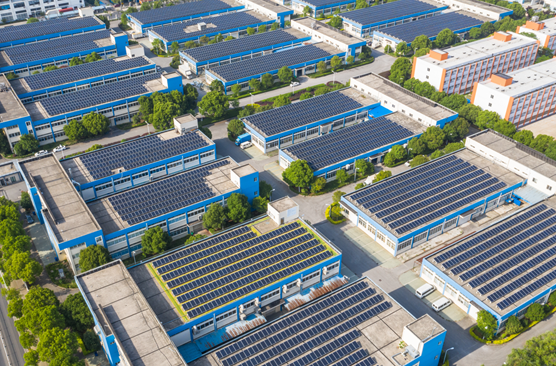
Zhicheng Port has completed a full electric conversion for loading and unloading machinery. Electric loaders deployed at the facility record a 30 per cent drop in unit energy costs, alongside a 45 per cent reduction in full-lifecycle carbon emissions, delivering tangible carbon abatement at the source of cargo handling. Yidu Port advances on-site photovoltaic installations, which generate 480,000 kilowatt-hours of electricity per annum. The solar array equates to an annual carbon cut of approximately 428 tonnes, lifting on-site self-sufficiency in renewable power and amplifying the substitution effect of clean energy sources.
Smart operational controls work in tandem with hardware overhauls to boost overall energy efficiency. Zhicheng Port, Yunchi Port and Yidu Port have all upgraded power supply networks and lighting infrastructure. Ageing wiring circuits have been fully refurbished, while high-efficiency low-energy lamps have replaced outdated lighting equipment. All port lighting systems run on remote time-shifted intelligent regulation, eliminating unnecessary power draw through both physical hardware and digital management frameworks.
Two quay cranes at Baiyang Port have undergone energy feedback refitting. The upgraded systems recapture surplus electricity produced during crane braking and lowering cycles for on-site reuse, driving marked improvements in comprehensive power utilisation efficiency. Port authorities will continue rolling out matching low-carbon retrofits and digital energy monitoring frameworks across all terminals in the coming months, with renewable power penetration and shore power uptake set to climb further.
热门内容推荐