Century-old Beijing Apricot Variety Enters Singapore Market in New Southeast Asian Export Breakthrough
According to China National Radio reports, batches of standardised packaged Beizai red apricots from Pinggu District in Beijing departed for Singapore on 30 June. The shipment marks the official opening of a formal Southeast Asian export channel for the century-old local fruit variety, bringing distinctive Beijing agricultural produce to international consumer markets.
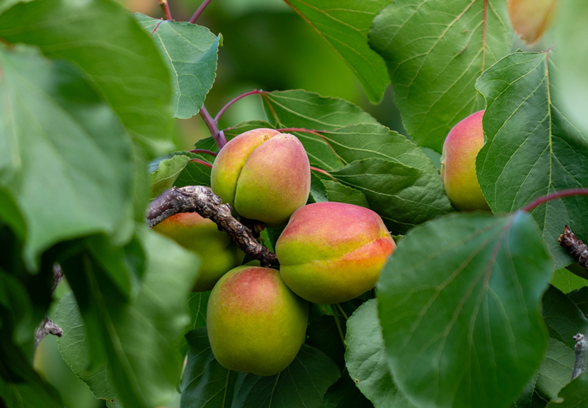
Known as China’s premier red apricot village, Beizai Village in Nandulehe Town boasts sprawling apricot orchards that yield abundant ripe fruit every summer. Plump and brightly coloured with a balanced sweet-and-sour flavour profile, Beizai red apricots hold multiple official certifications as a nationally recognised specialty agricultural product. The variety has also secured Beijing’s first agricultural carbon neutrality certification, with full life-cycle carbon emission data fully traceable to align with global low-carbon consumption standards.
Local mountainous terrain previously exposed apricot cultivation to frequent spring frost damage, low-temperature risks and hailstorms, creating unstable harvest conditions and restricting consistent quality improvement. Local authorities have built a full-industry support system covering pre-season disaster prevention, mid-season quality optimisation and post-harvest efficiency enhancement starting from 2026, overhauling traditional weather-reliant planting modes.
Comprehensive technical facilities have been deployed across planting areas to stabilise annual output. Full hail-proof net coverage safeguards yields of at least 400 kilograms of high-quality apricots per mu during extreme weather events. Six overhead anti-frost machines protect flowering and fruiting stages against temperature drops, while 18 single-track transport lines form an efficient two-way logistics network for mountainous orchards. The upgraded infrastructure raises fruit transportation efficiency by 80 per cent and cuts manual labour costs by 60 per cent, enabling full-process quality control throughout picking, sorting, packaging and delivery procedures.
Unique local natural conditions deliver distinct competitive advantages for export-grade produce. Brown soil formed by volcanic weathering, sufficient sunlight and substantial day-and-night temperature differences create the apricot’s signature thin skin, thick flesh and juicy texture. The variety has obtained Green Food certification and the prestigious Chinese Famous Fruit accreditation. Inclusion in the national characteristic agricultural product list and comprehensive carbon footprint verification further strengthen its market appeal overseas.
Beizai red apricots entered full domestic market circulation on 13 June, with official online retail channels launched three days later. Multi-layered sales networks now operate across offline picking experiences, e-commerce platforms, supermarket direct supply and international trade. Domestic distribution covers major supermarkets across the Beijing-Tianjin-Hebei region, while premium fresh fruits supply diplomatic embassies of the Netherlands, France, South Korea and the United Arab Emirates based in China.
Pinggu District will leverage technological innovation resources from local agricultural innovation platforms to continuously upgrade the branded apricot industry. Ongoing optimisation of planting techniques, quality control systems and global sales layouts will further expand market coverage both domestically and internationally, empowering sustained rural industrial upgrading through characteristic high-value agricultural sectors.
热门内容推荐