China’s Northwest Tourism Shifts From Sightseeing To Immersive Experience Amid Summer Demand Surge
As summer arrives, online search volumes for travel destinations across China’s northwest have climbed steadily, with consultation enquiries for the Qinghai-Gansu loop rising sharply month-on-month. Tickets for popular tourist special trains sell out far faster than in previous years, cementing the northwest region’s enduring appeal as a staple long-distance travel destination for the summer period.
Beneath the sustained visitor influx lies a profound shift in market dynamics. Family groups now account for more than half of all travellers, while older holidaymakers prioritise quality over low prices. Private small-group bookings have recorded substantial growth, and tourists no longer settle for superficial stop-and-shoot sightseeing. The regional travel sector is undergoing a thorough transformation, moving away from a mindset of “having visited” towards a focus on immersive, memorable experience. Reporters from China Tourism News have conducted industry interviews to map out the driving forces behind this market shift.
Booking data collated across major travel operators confirms robust summer demand for northwest routes. Booking enquiries for long-distance domestic travel began rising in late May, with itineraries covering Xinjiang, Gansu and Qinghai emerging as the first to see surging reservations. Search rankings place Xinjiang consistently at the top of trending destinations, while the broader northwest maintains high nationwide travel interest.
Xinjiang stands out as the core growth engine, bolstered by its diverse natural landscapes and rich ethnic cultural assets, with steady visitor expansion also recorded in Qinghai, Gansu and Ningxia. Queries targeting Xinjiang and the Qinghai-Gansu corridor have climbed markedly month-on-month, with dedicated tourist trains proving especially popular, with hot services clearing ticket inventories at an accelerated pace.
Visitor demographics reveal clear diversification patterns for the summer season. Family parties form the largest visitor cohort, mostly comprising parents travelling with children aged six to eighteen. Family groups and peer travel parties dominate consumption, their heightened demands for privacy, in-depth activity and high-standard service fuelling greater uptake of tailor-made small private tour packages.
Travellers aged fifty-five and over sustain a reliable core market segment, favouring unhurried, culture-rich itineraries. Their purchasing behaviour has moved away from strict cost sensitivity, with this demographic ready to pay premium rates for upgraded accommodation, relaxed daily schedules and attentive bespoke service. Data tracking travellers originating from the Yangtze River Delta outlines seasonal shifts in visitor profiles, with senior groups forming the main travel base in June, before school families and student travellers take over from July through August. Holiday stays have lengthened, with growing numbers of visitors opting for eight to twelve-day or even extended multi-province travel plans.
Travellers aged twenty-five to forty-five represent the largest single age bracket, with rising volumes of young adults booking group excursions and compact private tours. Travel preferences lean towards lightweight, private and comfortable arrangements. Customised private group itineraries for single families gain wider acceptance, blending schedule flexibility with exclusive travel space and resonating strongly with mid-to-high-end market segments. Tourist special trains have shed an outdated reputation as a product solely for older travellers, attracting guests of all age groups drawn to slow-paced, immersive regional exploration.
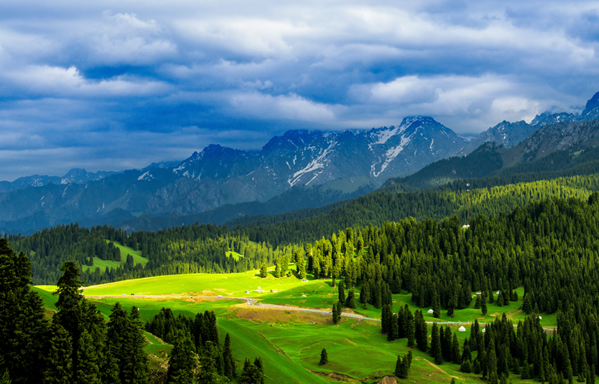
Long travel stretches and extensive road journeys across northwest loop routes push visitor priorities towards enhanced comfort. Holidaymakers increasingly favour exclusive private parties, compact elite groups limited to six guests and fully customised schedules. Direct regional flight bookings to Yining and Altay have risen significantly, and many travellers elect to pay extra for premium ground transport vehicles upon arrival. Bookings for two-to-six passenger private tours maintain upward momentum, driven by demand for flexible agendas and dedicated service. Road trips in motorhomes and tourist rail journeys also see quick uptake, catering to varied visitor preferences.
Market consumption trends signal a clear departure from superficial landmark checking. Mid-to-high-end travel products win greater acceptance, as tourists allocate higher budgets to premium accommodation, exclusive cultural activities, specialist guided services and seamless travel arrangements. Ethnic stage performances, intangible heritage handicraft workshops, urban night tours and local cultural briefings draw stronger visitor interest, with experience-centred spending occupying a larger share of overall travel expenditure.
Travellers weigh lodging quality, unrushed daily timetables and authentic cultural immersion heavily when finalising bookings. Private and customised tour reservations have climbed more than 25 per cent year-on-year, with local food and folk cultural activities allocated greater weight within travel schedules. Holidaymakers seek blended itineraries pairing natural scenery with authentic local daily life, exploring historic alleyways and regional cuisine after visiting iconic natural sites.
Consumption demand splits into two distinct streams. Family travellers pursue high-end deep cultural packages, while younger visitors seek lesser-known scenic spots alongside camping and travel photography activities. Clear market segmentation has emerged, with mass circular sightseeing trips, extended in-depth travel routes and premium bespoke holidays each securing steady customer bases. Travellers prioritise fully licensed travel agencies, safe ground transport and transparent pricing, with cross-province multi-destination itineraries growing increasingly common.
Notable improvements to on-location visitor experience have been observed across flagship travel corridors including the Qinghai-Gansu loop and northern Xinjiang routes. Historic pain points including limited parking, inadequate restroom facilities, fuel station shortages and weak mobile network coverage have seen meaningful upgrades to supporting infrastructure. Persistent challenges remain around retail satisfaction and price perceptions. The region’s vast geographical expanse pushes up logistics and supply costs, creating price volatility during peak summer demand and widening gaps between visitor expectations and real-world service conditions.
Sustained government investment in infrastructure, scenic site services and product development underpins overall experience upgrades across the northwest. Expanded transport options including air, high-speed rail and self-drive networks cut cross-region journey durations, while improved service standardisation at attractions, hotels and catering venues lifts capacity to accommodate peak visitor volumes. Seamless transit links connect airports, high-speed stations and vehicle rental hubs, forming a complete industrial ecosystem integrating sightseeing, accommodation, catering, live performance and cultural merchandise for immersive visitor consumption. Structural frictions persist during peak summer months, concentrated around overcrowding at core scenic spots, sparse supply facilities along remote road segments and volatile pricing for limited high-demand resources, which temporarily detract from holiday comfort.
Digital travel infrastructure delivers widespread practical benefits for visitors. Online reservation portals, electronic ticketing systems and real-time travel updates streamline trip planning and site entry, cutting queuing times and resolving information gaps. Destination governance frameworks have evolved from single-site management to holistic regional oversight covering transport, lodging, catering and visitor services, as rising consumer standards drive consistent upgrades to regional travel support systems.
Xinjiang has rolled out site reservation systems and visitor flow control to ease peak congestion, alongside upgraded border and highland travel infrastructure including smooth border crossing procedures, on-site medical support and bilingual services. Folk cultural activities operate with clearly displayed fixed pricing to eliminate hidden charges, while expanded evening tourism offerings such as live theatrical performances at Narat and Kanas attract consistent patronage. Local smart booking platforms enable pre-emptive visitor dispersal, regular official campaigns regulate market conduct, and continuous upgrades to highway service areas, parking zones and medical outposts reinforce on-route support.
Regional authorities carry out targeted infrastructure enhancements across the northwest. Renovation works at Heishan Dushan in Mangya, Qinghai, and the construction of Mars No.1 tourist highway add directional signage and expanded parking bays, with shuttle services linking separate scenic locations for seamless transit. Dunhuang has built comprehensive supporting facilities spanning food, accommodation, transport, sightseeing, retail and entertainment, alongside themed boutique homestays, desert sports complexes and educational research bases. Authorities across the region continue to fill gaps in roadside service stations, dedicated parking pull-offs and public tourist restrooms.
Three core factors drive sustained travel experience improvements. Local authorities allocate growing fiscal resources to advance transport networks and scenic site hardware. Heightened market competition compels service refinement, squeezing demand for low-cost, low-quality packaged tours and pushing ground operators towards refined customer-focused operations. Combined digital tools and tightened official supervision lift operational efficiency through smart reservation and visitor flow scheduling, while stricter market oversight curbs unreasonable low-price promotions and mandatory consumer spending.
Travel operators have overhauled their summer northwest product portfolios with far richer, innovative offerings. Itinerary design has shifted from sequential landmark visits to themed cultural journeys integrating natural landscapes, local craft workshops and seasonal folk celebrations. Immersive live performance and interactive cultural activities connect visitors more closely with regional identity, while clearly tiered product lines cater to every consumer bracket from mass group tours to elite bespoke travel.
Broad product ranges cover every visitor segment. Cost-competitive classic circular tours serve mainstream travellers, mid-tier compact private groups operate along Sichuan-Gansu border and northern Xinjiang routes, and premium six-to-eight guest elite itineraries link Lake Qinghai, Chaka Salt Lake, Heishan Dushan and Mogao Caves. Northern Xinjiang packages focus on grassland summer retreats, family holidays and landscape photography, while southern Xinjiang highlights Silk Road heritage and ethnic folk culture. Qinghai, Gansu and Ningxia deliver lightweight short excursions, educational research stays and wellness travel products. New itinerary concepts including air-linked central Asia Silk Road loops departing Kashgar, historic town night tours and immersive ethnic musical theatre extend the scope of regional travel experiences.
Platforms have expanded dedicated deep-discovery themed routes for Xinjiang and southern Gansu, alongside connecting flight packages to resolve travel bottlenecks for single-destination trips to Dunhuang. Luxury themed tourist trains attract both family and senior travellers, while motorhome private tours combine road travel with on-site camping to win popularity among younger and family groups. Add-on services including drone aerial filming, traditional costume photoshoots and professional image editing now feature as standard in small-group packages. Operators focusing on family educational travel build product lines centred on heritage craft workshops, stargazing camps, landscape photography and cultural museum visits.
Distinct regional specialisms avoid generic itineraries across the northwest. Xinjiang highlights grassland, lake and western ethnic culture, Qinghai centres on salt flats and night sky viewing, Gansu prioritises Silk Road historical sites, and Ningxia delivers desert leisure experiences. Light hiking, lakeside cycling and desert camping gain traction, alongside immersive local activities including nomad family visits and intangible heritage workshops.
Transport infrastructure expansion, supportive regional policy frameworks and evolving consumer demand collectively fuel travel product innovation. Extended high-speed rail networks, upgraded tourist highways and expanded regional air routes boost destination accessibility. Policies covering low-altitude economy growth, integrated cultural tourism and rural revitalisation create favourable operating conditions for emerging travel formats. Visitors actively seek unique, premium holiday experiences, incentivising operators to pursue creative itinerary design, with digital platforms and social media accelerating the spread of novel travel concepts.
Industry operators maintain a long-term positive outlook for northwest tourism growth. Abundant distinctive natural landscapes and historic Silk Road cultural assets form an irreplaceable resource base, with rising domestic travel spending unlocking untapped potential across educational research, wellness retreats, cultural immersion and premium customised travel segments. Over eighty per cent of surveyed travellers list northwest destinations as priority holiday choices, while nearly forty per cent express intent to revisit and extend future stays. Repeat booking volumes for northwest itineraries have risen nearly ten percentage points year-on-year, with many guests completing the Qinghai-Gansu loop before enquiring about extended southern Xinjiang exploration. Consistent summer cooling demand sustains a lengthy peak travel window, and younger generations display strong willingness to revisit distinct regional sub-destinations. Optimism also surrounds inbound travel growth, aided by streamlined entry policies and unique regional cultural appeal.
Persistent structural constraints limit faster industry expansion. Demand concentration creates severe seasonal imbalance, with overloaded facilities during summer and autumn offset by idle infrastructure through quieter months, weakening sector resilience. Uneven supporting infrastructure sees comprehensive amenities concentrated in major cities and core scenic zones, while remote lesser-known routes lack adequate lodging, supply stores and emergency response provisions. Many travel packages retain a heavy sightseeing focus with limited depth of cultural narrative, restricting opportunities for differentiated market competition. Shortages of skilled tour guides, destination management specialists and cultural travel planners hinder consistent service quality. Balancing ecological conservation and sustainable tourism development remains a long-term consideration for regional authorities.
Remote scenic sites and isolated road stretches lack complete supporting hardware, while inconsistent industry service standards create uneven visitor experiences. Cross-province itinerary coordination remains fragmented, and many regional offerings lack standout distinctive features. Premium high-quality lodging capacity represents another unaddressed gap across multiple zones, as rising visitor focus on comfort elevates accommodation standards as a key driver of overall holiday satisfaction.
Travel operators have outlined clear strategic directions to resolve identified industry limitations. Major state-owned travel groups plan to develop refined themed itineraries covering cultural education, folk immersion and off-the-beaten-path exploration across core northwest regions. Operators will deepen cultural tourism integration, weaving Silk Road narratives and ethnic heritage craft activities into daily travel schedules, alongside strengthening supply chain partnerships with local ground agents, hotel operators and scenic site management teams to boost resource availability during peak demand. Investment will target emerging sectors including low-altitude sightseeing, motorhome camping and high-end customised travel.
Other operators aim to optimise cost structures while preserving service standards, deliver fully immersive cultural itineraries featuring local handicrafts, regional cuisine and seasonal folk events, and establish formal service evaluation frameworks to build sustained trust in northwest travel brands. Dedicated Xinjiang travel arms focus on pure-play elite small-group and fully bespoke itineraries, cross-province themed multi-region tours, standardised educational research packages, and lesser-known northern and southern Xinjiang seasonal off-peak routes to balance annual visitor distribution. Robust safety, emergency response and after-sales support frameworks will be implemented for long-distance travel, alongside coordinated cooperation with cultural and tourism authorities to standardise industry service delivery and strengthen regional travel branding.
Customised travel platforms will continue expanding themed northwest itineraries tailored to family education, cultural exploration, natural scenery and authentic local lifestyle, refining bespoke service offerings to introduce lesser-known regional attractions to wider visitor groups. Additional operators plan to upgrade small-group customised travel products built around unique northwest cultural trademarks, catering to rising demand for private, flexible high-standard holiday arrangements.
The northwest travel sector continues its profound shift, evolving beyond surface-level landmark ticking to deliver immersive, place-connected cultural experiences, shaped entirely by changing domestic traveller priorities.
热门内容推荐