Domestic Air Fuel Surcharges Slashed Again As China’s 2026 Summer Travel Season Takes Hold
A fresh round of cuts to domestic aviation fuel surcharges has come into view ahead of China’s peak summer travel period, easing travel expenses for holidaymakers and delivering fresh stimulus to the fast-expanding air travel market.
9 Air released an official circular on 1 July detailing revised fuel surcharge bands for all domestic flights, with the new pricing tiers set to apply from midnight on 5 July, calculated against the timestamp of ticket issuance. Flights covering distances of 800 kilometres or less will carry a fuel surcharge of 50 yuan, while routes longer than 800 kilometres will incur a 100 yuan levy. The adjustments mark reductions of 30 yuan and 50 yuan respectively compared with the previous charging framework.
Travel platform Fliggy has confirmed receipt of circulars issued by multiple carriers outlining identical revised surcharge thresholds to take effect on 5 July.
A senior academic from South China Business College told Securities Daily that uniform domestic fuel surcharge bands are enforced across all airlines, adjusted in line with official pricing linkage frameworks managed by national regulatory bodies. Sustained falls in international jet kerosene prices have unlocked scope for downward revisions to passenger levies.
This marks the second downward adjustment since surcharges hit their yearly peak in May 2026. Cumulative cuts have brought the total levy down by roughly forty per cent from the annual high point, delivering tangible cost relief for all domestic air travellers.
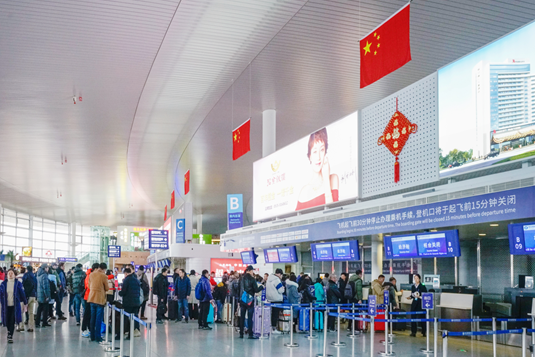
A senior domestic air ticket specialist at Fliggy told Securities Daily that the peak booking window for summer getaways is drawing near, and the reduced surcharge scale will further trim overall trip costs, unlocking pent-up demand for seasonal leisure travel.
Industry analysts note shifts in passenger booking behaviour may follow the latest price movement. The chief research officer at Tongcheng Research Institute told Securities Daily that many travellers may delay their purchase timelines in anticipation of further fuel price softening, shifting from booking one month ahead to securing tickets just one or two weeks prior to departure.
Overall airfare levels for the 2026 summer season sit at relatively mild levels by recent historical standards. Qunar travel data shows inclusive fares covering base ticket, airport construction fees and fuel surcharges have edged down year-on-year, driven by expanded seasonal flight capacity and delayed school summer breaks across most regional education authorities.
A market researcher with Qunar Big Data Institute explained that primary and secondary schools in most regions will begin summer holidays around 10 July, yet airlines have rolled out extra seasonal services from the start of the month, maintaining robust daily flight volumes and high operational reliability. Abundant flight supply ahead of the main passenger rush has pulled early-July fares below equivalent figures recorded in 2025. Peak travel volumes are projected to arrive later in the summer window, with sustained demand extending through the latter half of the school break.
Summer also represents the busiest stretch of the year for cross-border travel. Multiple carriers including 9 Air and Shanghai Juneyao Airlines have rolled back fuel surcharges on international routes serving Southeast Asia, Europe and North America. Lower outbound travel costs add fresh momentum to inbound and outbound leisure demand across the summer months.
Summer travel windows remain a vital revenue-generating phase for the domestic airline sector. Data from Variflight shows more than 15.8 million domestic flight tickets for July had been reserved by 30 June, alongside over 4.97 million bookings for cross-border routes, signalling clear upward momentum in nationwide travel demand.
热门内容推荐