4,000-tonne Electric Propulsion PSV Launched in Dalian, First CNPC Vessel with Hybrid Battery Compatibility
A 4,000-tonne electric propulsion platform supply vessel built by China Offshore Oil Engineering was successfully launched at a shipyard in Dalian on 2 July. The craft boasts cargo carrying capacity twice that of existing comparable vessels, standing as the first offshore engineering vessel under China National Petroleum Corporation pre-fitted with reserved interfaces for energy storage batteries to support oil-electric hybrid operation.
Three core technical breakthroughs have been delivered across hybrid power functionality, hazardous chemical supply capacity and onboard noise suppression. In power configuration, the hull incorporates dedicated large-capacity battery mounting interfaces. Following future retrofits, operators can switch seamlessly between three operational modes: generator-only power supply, battery-only power delivery, and combined oil-electric hybrid running. This flexible setup maintains steady power output and smooth load fluctuation control during precision secondary dynamic positioning tasks, alongside marked cuts in fuel consumption and emissions with distinct low-carbon operational advantages.
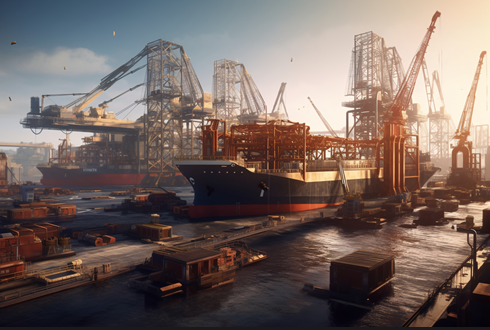
In cargo handling capability, the vessel achieves a deadweight of 4,300 tonnes paired with a 920 square metre open deck area. Certified for safe carriage of low flash-point liquids such as methanol and ethylene glycol alongside a full range of hazardous commodities, the platform evolves beyond standard supply craft functionality into a multi-functional offshore supply hub, capable of delivering comprehensive material support for complex offshore field operations.
For crew welfare, full-vessel acoustic modelling and systematic noise reduction refits have been integrated throughout the accommodation zones. Living quarters record an 8 to 20 decibel reduction in ambient noise levels, while hull vibration attenuation reaches 94.9 per cent. The upgraded onboard environment delivers improved long-term comfort and occupational health standards for seafarers undertaking extended offshore assignments.
The vessel’s enlarged cargo capacity and multi-mode hybrid power layout will expand operational flexibility for offshore oil and gas asset maintenance. Follow-up outfitting work will progress to complete battery system integration and full functional testing, with the unit set to enter service to reinforce logistics support for offshore energy developments.
热门内容推荐