AI Infrastructure Boom Drives Memory Shortages, Restructuring Cost Chains Across Global Consumer Electronics
According to Economic Daily, rapid expansion of artificial intelligence infrastructure and sustained steep rises in memory chip prices have triggered a full restructuring of cost structures through the entire global consumer electronics supply chain. Apple has rolled out worldwide price hikes for MacBook, iPad and a suite of hardware devices, with average mark-ups sitting at roughly 20 per cent.
The adjustment represents the firm’s broadest global pricing revision in recent years, directly prompted by surging costs for memory and storage semiconductors. Microsoft has followed with an official statement confirming elevated prices for Xbox gaming consoles will apply to all future retail purchases, citing persistent cost inflation for core hardware components.
Supply strains for memory chips have deepened from the second half of 2025 onwards, spilling across every category of consumer hardware. High-bandwidth memory has become a standard component for high-end AI silicon, with mass rollouts of large language model training rigs and AI server fleets locking in consistent demand for the specialised memory variant. HBM delivers wider profit margins and long-term fixed order books compared to standard DRAM and NAND flash used in smartphones and personal computers.
Samsung, SK Hynix and Micron, the world’s three leading memory manufacturers, have reallocated substantial advanced wafer production capacity to AI-focused memory lines. The shift has sharply constrained output of consumer-grade DRAM and NAND, creating persistent supply tightness and consistent upward pricing pressure across the segment. CFM China Flash Market’s industry tracking data records full-year spot price surges of 386 per cent for DRAM and 207 per cent for NAND flash throughout 2025.
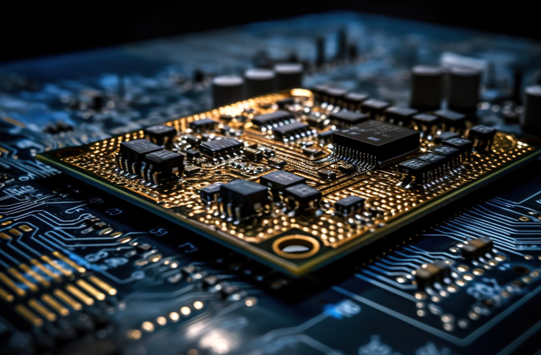
Consumer electronics manufacturers have long relied on annual falls in component pricing to offset spending on research and distribution, supporting a long-standing industry dynamic of upgraded hardware released at stable retail price points. Sharply inflated memory chip weightings within total bill-of-material costs eliminate this buffer, leaving hardware firms with two operational pathways: cutting onboard memory and flash allocations to control expenses, or lifting end-user retail prices outright.
Industry analysis frames memory inflation not as an isolated issue for individual brands, but as a systemic industry shift transmitted downstream from AI infrastructure build-outs, creating a cycle of semiconductor cost inflation passed through to ordinary retail buyers.
Physical stock shortages present more acute operational challenges than price increases alone. Independent industry modelling forecasts a 15 per cent global shortfall in memory supply for personal computer manufacturers by 2027, equivalent to hardware volume for 58 million finished PCs. Smartphone producers face a 12 per cent supply gap, matching production capacity for 134 million handsets.
Samsung, SK Hynix and Micron have accelerated plans to expand memory fabrication capacity to reinforce their global market footholds. Semiconductor foundry construction carries lead times of two to three years, meaning current supply-demand imbalance cannot be resolved in the near term.
Major global cloud operators and AI technology groups continue to secure multi-year fixed supply contracts for HBM modules, diverting generic memory stock away from open spot markets. Restricted component availability for consumer electronics hardware will remain in place for an extended period, with elevated retail pricing set to persist as a temporary market norm.
Growth driven by AI technological advancement forms an established industrial trajectory, yet industry development cannot advance at the expense of mainstream consumer hardware manufacturing. Diversified supply networks and optimised cross-sector capacity allocation frameworks will ease the current cycle of cost restructuring, enabling parallel progress for AI computing innovation and consumer electronics production.
热门内容推荐