China’s lithium material leaders overhaul capacity strategies for high-end, quality-driven growth
Leading Chinese lithium battery material manufacturers are shifting away from blind capacity expansion after two years of industrial adjustment and capacity optimisation. Major listed firms are refining their project layouts, slowing redundant production expansion and channelling resources toward high-end product development and optimised industrial distribution, reshaping the overall development model of the domestic new energy material sector.
Multiple listed companies have issued official announcements to adjust their investment and construction plans in July. On July 10, Do-Fluoride New Materials announced a one-year extension for its 100,000-tonne lithium battery electrolyte key material project. The project’s expected operational launch date is postponed from November 30, 2026, to November 30, 2027. The company stated that the adjustment follows thorough feasibility assessment, with changing market supply and demand dynamics, industrial iteration and technological progress prompting prudent optimisation of investment pace and construction progress.
Another electrolyte leader, Guangzhou Tinci Materials Technology, unveiled two official announcements on July 3 to revise its expansion layout. The firm terminated the construction of its 243,000-tonne lithium battery and fluorine new material project in Nantong and redirected CNY 406 million raised through convertible bonds to support the renovation and expansion of its 250,000-tonne electrolyte production base in Fuding, Fujian province, concentrating resources on high-efficiency and high-quality production capacity.
Positive electrode material producers are also optimising their industrial layouts. In May, Dynanonic terminated two large-scale phosphate electrode material projects in Qujing and Huize of Yunnan province, with a combined planned annual capacity of 440,000 tonnes. In June, the company released a private placement plan worth CNY 2.9 billion, allocating CNY 2.15 billion to build a new 200,000-tonne integrated lithium new material project, focusing on high-end phosphate material production and technological upgrading.
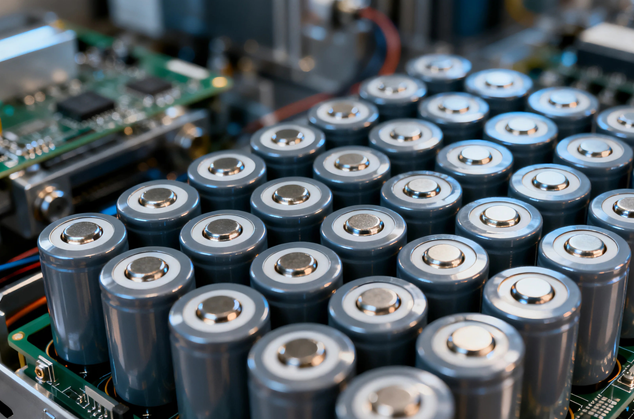
Negative electrode material enterprises are implementing targeted project streamlining. On June 13, Zichen Technology announced the termination of three delayed negative electrode integration projects located in Ganmei Industrial Park, Lanzhou New Area and Morocco. The company will concentrate operational and capital resources on steadily advancing its 300,000-tonne negative electrode project in Luzhou and its overseas integrated base in Oman, balancing domestic and high-value overseas production capacity deployment.
According to Securities Daily industry analysis, the successive strategic adjustments by leading lithium material enterprises mark a decisive shift in the industrial competition paradigm. The sector is moving beyond extensive capacity expansion, with core competition gradually focusing on cost control, technological iteration and high-quality long-term client resources. Enterprises with integrated production processes, stable cost advantages and mature customer channels will strengthen market resilience amid industrial cyclic fluctuations.
Market data from Xinlun Information shows robust underlying growth momentum across the battery industrial chain. The industry maintains an annual growth rate exceeding 35 per cent, with global total battery output projected to reach 3,200 GWh for the full year. The energy storage battery segment delivers outstanding growth performance, with an annual growth rate of approximately 70 per cent and expected annual output of around 1,100 GWh. Continuous downstream demand expansion provides solid support for the industry’s structural upgrading and high-end capacity layout.
Lithium material enterprises will continue to advance refined capacity management and targeted layout optimisation. Future industrial investment will focus more on technological innovation, product high-endisation and supply chain efficiency improvement, promoting sustained structural optimisation and high-quality development of China’s new energy material industry.
热门内容推荐