China’s Port and Shipping Capacities Maintain Global Lead, Digital Maritime Showcase Unfolds on China Maritime Day
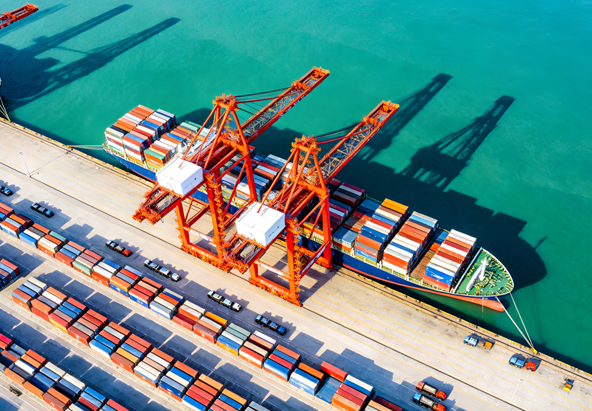
According to information released by the Ministry of Transport on 11 July, China secured the world’s top ranking for both port cargo and container throughput across 2025. National ports handled 18.3 billion tonnes of cargo alongside 354 million twenty-foot equivalent units of containers over the calendar year.
Maritime infrastructure and operational capacity have reached an elevated benchmark since the launch of the 14th Five-Year Plan period. China’s seaborne trade accounts for one third of global maritime freight volumes, while the total deadweight tonnage of Chinese-owned merchant fleets stands at 490 million tonnes. Sixty automated container terminals have been completed and put into full operation nationwide. Single crane handling speeds at automated facilities in Shanghai Port and Qingdao Port exceed 60 natural containers per hour, representing the fastest container loading and unloading performance recorded at any port globally.
Nearly 20,000 kilometres of electronic waterway charts have been officially released nationwide. A unified digital mapping network covering the Yangtze River waterway network is now fully functional, linking upstream tributaries, downstream main channels and river-sea transit routes. Electronic navigation charts have also achieved full coverage along the main Xijiang waterway and the Jiangsu stretch of the Grand Canal. Digital monitoring systems will keep expanding across inland waterways to streamline vessel scheduling and navigation safety oversight in the coming years.
11 July marks the 22nd China Maritime Day, the designated date for the International Maritime Organization’s World Maritime Day to be observed nationwide. This year’s official theme is “Digital Intelligence Empowers, Charting the Course Ahead”. The Ministry of Transport hosted the central national event for the 2026 China Maritime Day in Beijing on the day, with the official China Maritime Day Forum and a full suite of supporting industry events staged in Yangzhou, Jiangsu Province.
Industry-wide digital transformation initiatives will continue to be rolled out across coastal and inland port networks. Ongoing investment targets further upgrades to automated terminal hardware, integrated maritime data platforms and intelligent navigation support systems. Expanded deployment of AI, big data and automated handling equipment will lift overall operational efficiency for coastal and inland shipping routes, reinforcing the resilience of global supply chains served by China’s port and shipping network.
热门内容推荐