Sodium-Ion Batteries Seize Development Window Amid New Energy Boom in China
China’s new energy sector has achieved remarkable progress this year, with the first batch of "desert, Gobi and barren land" new energy base projects basically completed and put into operation, according to this year’s Government Work Report. The installed capacity of new energy storage has exceeded 130 million kilowatts, while the proportion of non-fossil energy consumption has reached 21.7%.
These figures, a senior technology management official from Huayang Group noted, indicate that the new energy storage industry has entered a fast track, which in turn has opened a crucial "window of opportunity" for the development of sodium-ion batteries. However, the domestic sodium-ion battery industry is still in the initial climbing stage, and the scale effect has not yet been formed.
As a key technology for regulating and optimizing the utilization of new energy, energy storage boasts enormous market potential. The official analyzed that sodium-ion batteries, with their core advantages of abundant and low-cost raw materials, excellent low-temperature performance and high safety, are an ideal choice for large-scale energy storage applications.
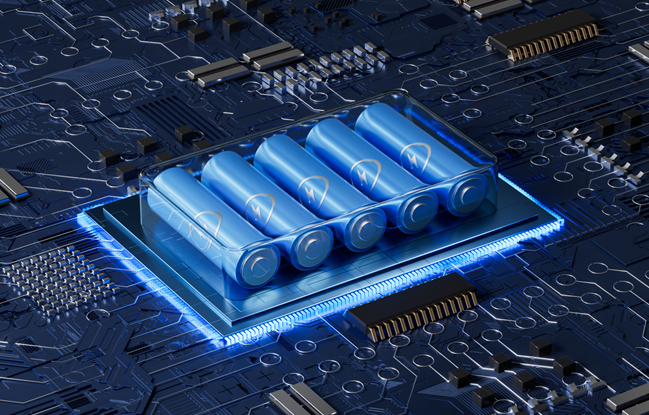
Facing two major constraints in the current pilot promotion — higher production costs than lithium-ion batteries and insufficient market recognition — the official put forward two suggestions. On one hand, accelerate the industrialization process to significantly reduce costs through scale effect; on the other hand, strengthen the promotion of demonstration applications to comprehensively enhance market recognition.
In terms of cost reduction paths, the official took Huayang Group as an example to introduce the whole process from material R&D to demonstration application. The enterprise uses abundant anthracite resources in Shanxi to prepare negative electrode materials for sodium-ion batteries, effectively reducing manufacturing costs. At the same time, he called for national policy support, such as exemption or reduction of consumption tax on sodium-ion batteries, to further cut costs and promote industrial development.
In terms of market pattern, the official observed that many domestic leading lithium-ion battery enterprises have successively laid out the sodium-ion battery track. He believes that sodium-ion batteries and lithium-ion batteries will form a development pattern of "dislocation competition and complementary coexistence": sodium-ion batteries will focus on special scenarios such as large-scale energy storage and extreme environments, while lithium-ion batteries will continue to dominate daily scenarios such as consumer electronics and passenger vehicles.
As a key participant in the transformation of Shanxi, a major energy province, Huayang Group is committed to promoting the value leap of coal resources from traditional "fuel" to high-end "materials" through the development of sodium-ion batteries, helping Shanxi transform from a major energy province to a strong energy province.