China’s Basic Research: From Lab Breakthroughs to People’s Well-being
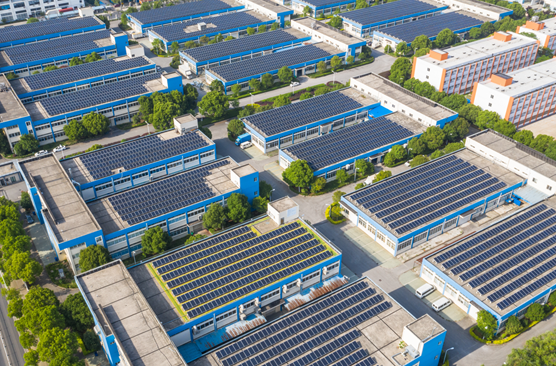
Ding Kuiling, academician and president of Shanghai Jiao Tong University, once told a meaningful story: he asked Zeng Yuqun, chairman of CATL, why China’s batteries lead the world. The proud reply was: because China has the strongest basic research in electrochemistry. Recently, this statement has received new evidence: the team led by Hu Yongsheng from the Institute of Physics of the Chinese Academy of Sciences (CAS) has made a new achievement, enabling ampere-hour-level sodium-ion batteries to break free from the fatal threat of “thermal runaway” for the first time, which will greatly alleviate consumers’ “safety anxiety” about power batteries.
China’s basic research is not only about exploring the “stars and sea” of science but also caring for the “daily life” of the people. Since the 18th National Congress of the Communist Party of China, China has sought research topics from people’s needs, continuously shortening the distance between basic research achievements and practical applications, focusing on key areas such as medical and health care, food security and ecological environmental protection to solve targeted problems.
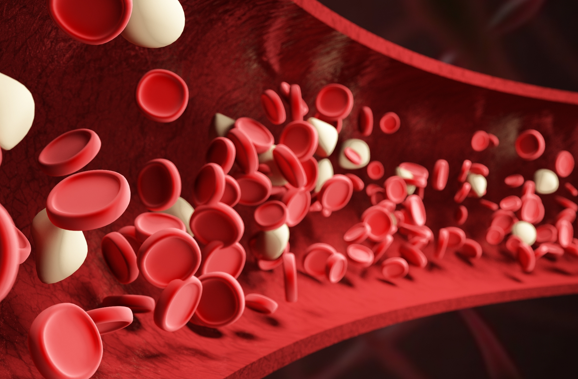
In the field of medical and health care, basic research has brought life-changing hope to patients. A patient suffering from immune-mediated necrotizing myositis recovered from total paralysis and life-threatening condition to being able to drive to the hospital for follow-up in just two to three months. This miracle was brought by a clinical trial that successfully used allogeneic universal CAR-T (Chimeric Antigen Receptor T-cell Immunotherapy) to treat immune diseases for the first time in the world, making precision therapy accessible to the public from being “expensive and niche”. Xinmin Evening News reported that this major original innovation was led by the team of Xu Huji, an expert in rheumatology and immunology at the Second Affiliated Hospital of Naval Medical University.
Cao Xuetao, academician of the Chinese Academy of Engineering and chief technology officer of the National Major Science and Technology Special Project for Innovative Drug Research and Development, said that the new phase of the special project, launched in 2025, will shift from emphasizing the middle and downstream industrial chain to the upstream innovation chain, focusing on new targets, mechanisms and theories to develop original drugs.
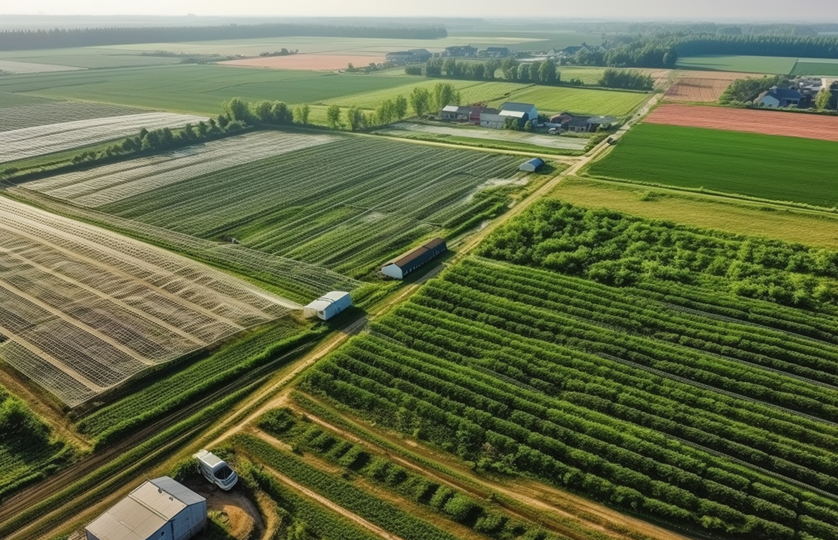
Food security, a top priority for the country, also benefits from basic research. Earlier this year, the Tianjin Institute of Industrial Biotechnology of CAS completed a new round of tests on artificial starch synthesis from carbon dioxide, with the starch output increasing more than 10 times compared with 2021. Cai Tao, a researcher at the institute, recalled that on July 24, 2018, two of three test tubes turned blue—the long-awaited “starch blue”, marking the world’s first de novo synthesis of starch from carbon dioxide in the laboratory.
Zhou Qi, vice president of CAS, noted that the combination of organized institutional research mechanisms and the scientists’ spirit of daring to be pioneers, devoting to research and cooperating with each other has unleashed strong creativity. In the field of ecological environmental protection, basic research has also played a powerful role. Joint efforts from key projects have helped dispel smog in the Beijing-Tianjin-Hebei region. Data shows that during the “14th Five-Year Plan” period, the national average concentration of PM2.5 dropped by 20% cumulatively, with the proportion of good days reaching the highest level since monitoring began.
Li Zhe, researcher at the Chinese Academy of Science and Technology for Development, suggested that basic research should continue to focus on people’s pain points and global challenges, and tackle “bottleneck” problems to expand the breadth of people’s well-being with the depth of basic research, contributing Chinese wisdom and solutions to global sustainable development.