25 New Pre-Qin Sites Discovered in Fenghua River Basin, Ningbo
New findings from the Ningbo Institute of Cultural Heritage Administration on 3 March show that 25 new Pre-Qin sites were uncovered in the Fenghua River Basin in 2025, with more than 80% of them containing remains from the late Hemudu Culture.
Most of these 25 sites share similar cultural attributes with previously excavated sites in the region, dating mainly from the late Hemudu Culture and the middle to late Liangzhu Culture. Bronze Age remains are rare, with only a few sites yielding impressed hard pottery shards and sand-tempered red pottery tripod legs from the Spring and Autumn and Warring States periods.
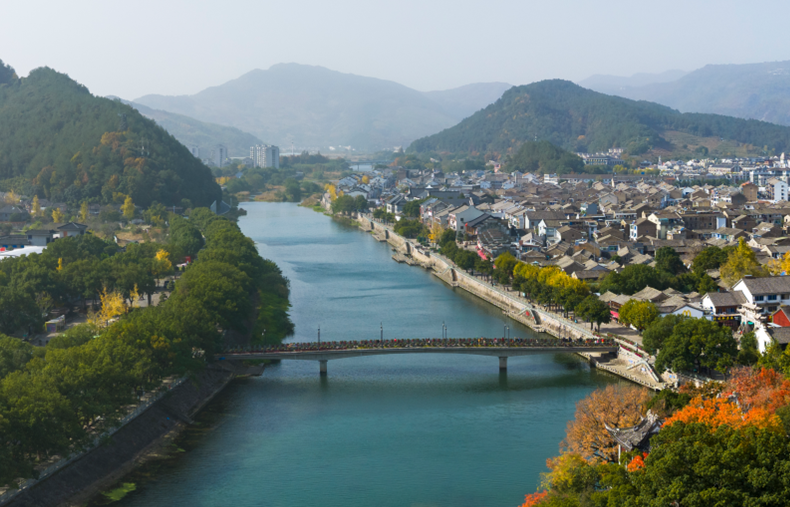
An archaeological survey and exploration project of Pre-Qin sites in the Fenghua River Basin was launched in 2022 and concluded in 2025. The 25 newly discovered sites, located along the Dongjiang and Xianjiang rivers, tributaries of the Fenghua River, have increased the total number of Pre-Qin sites in the basin to 71. This fully confirms that besides the Yaojiang Valley, the Fenghua River Basin is also a core distribution area of Pre-Qin sites in Ningbo.
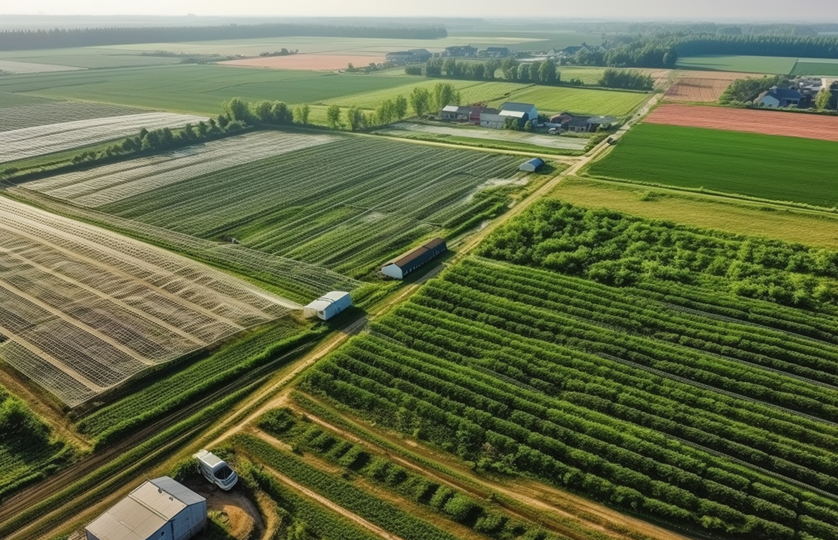
Pre-Qin sites in the Fenghua River Basin are mainly plain lowland settlements. Among the 25 new sites discovered in 2025, 21 are located in plain areas 3 kilometres away from mountains, while the remaining 4 are situated on piedmont slopes, platforms or isolated hills.
In addition, more than half of the Pre-Qin sites in the region consist of two or more small areas, with intervals ranging from tens to hundreds of metres. Most of these site areas are between 1,000 and 5,000 square metres.
According to environmental archaeology research, during the late Hemudu Culture, the rivers and landforms in the Fenghua River Basin gradually stabilised, creating more livable areas. As a result, human settlements expanded from piedmont areas to plains, with a sharp increase in the number of settlements, which also showed the characteristics of being small-scale and scattered.