Spring Rural Tourism Boosts Emotional Consumption and Rural Revitalization in China
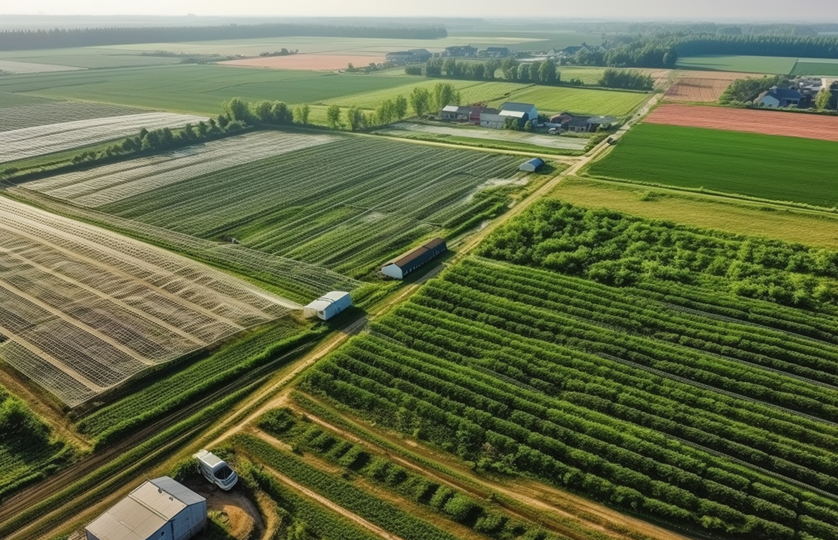
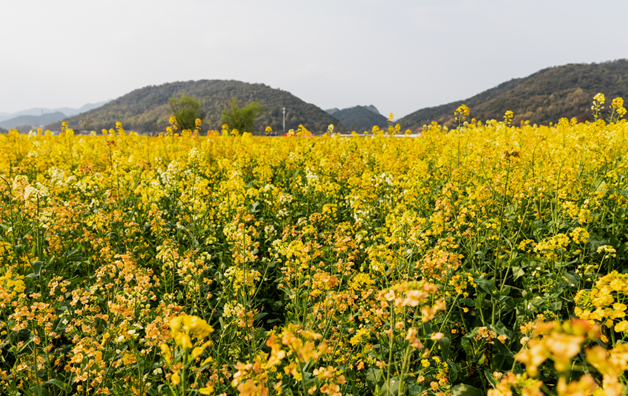
As spring unfolds across China, the country’s rural areas are blooming with vibrant scenery, where "spring flowers + tourism" has become a key driver of county economies. In Wuyuan, Jiangxi Province, special flower-viewing trains shuttle through golden rapeseed fields, while in Puding, Guizhou Province, helicopter low-altitude tours offer a panoramic view of Buyi villages and pastoral landscapes. Such flower-themed activities in rural areas have attracted urban tourists to enjoy spring scenery, stimulating consumption across the entire industrial chain including accommodation, catering, transportation, shopping and entertainment, and transforming urban residents’ emotional needs into a tangible "spring economy".
The growing trend of seeking spring in the countryside stems from the rising demand for emotional consumption, with rural areas emerging as a new consumption scene. Burdened by work pressure, urban dwellers are in urgent need of joy and comfort, which rural areas naturally provide. With their original and authentic features, rural areas serve as ideal "emotional carriers" — where the scents of coffee, plants, local flavors and flowers blend under the mist. Unlike the monotonous high-rise buildings in cities, rural areas boast dynamic scenes that change with the seasons, and each experience soothes the mental fatigue of urbanites, encouraging them to revisit the countryside. The green mountains, clear waters and slow-paced life have revalued rural areas, turning ecological protection into an endogenous driving force for economic development.
This strong demand has been effectively converted into robust economic dividends and diverse new consumption scenarios. While urban tourists gain emotional comfort in the countryside, local villagers earn substantial "beauty dividends" at their doorsteps. In 2025, the per capita disposable income of rural residents reached 24,456 yuan, a real increase of 6% over the previous year, with new industries and formats such as rural leisure tourism and rural e-commerce expanding rapidly, effectively promoting local employment and income increase.
This year’s spring has seen a further release of such dividends. In Qingdao, Shandong Province, six series of 216 key activities have been launched through the integration of culture, tourism, commerce, sports and exhibitions. By means of models like "ticket stub economy", the city has deeply integrated spring outings, flower viewing and cultural exhibitions to continuously stimulate consumption vitality. Beyond tourism, spring delicacies are also popular: in Hefei, Anhui Province, affordable seasonal spring vegetables such as Chinese toon and Malan greens are snapped up by citizens, activating the "spring economy" in daily life. Urban residents’ emotional needs have thus been transformed into real income for local villagers.
As a key measure to activate the endogenous driving force of rural development and broaden the path of rural revitalization, the integration of agriculture, culture and tourism has boosted farmers’ income, promoted agricultural industrial upgrading and stimulated rural cultural vitality. However, some areas have encountered the problem of homogenization. To transform the "spring economy" from a "spring-only highlight" to a "year-round prosperity", rural cultural tourism must provide differentiated experiences, which not only distinguish rural life from urban life but also reflect unique feelings among different regions.
The unsustainability of some rural cultural tourism projects lies in the lack of clear positioning and development goals — failing to reflect their own characteristics or accurately meet tourists’ needs. Rural cultural tourism is never a "one-time deal"; it is essential to abandon simple replication, tap into local ecological resources and folk cultural characteristics, and meet the differentiated market demand with innovative and diverse formats.
Spring nurtures new growth, and the vibrant consumer market injects a steady stream of momentum into China’s high-quality economic development. When nostalgia and emotional needs meet the in-depth integration and upgrading of rural agriculture, culture and tourism, what we see is not only the vitality amid the beautiful spring scenery, but also the code for high-quality development that achieves a virtuous cycle of strong industries and wealthy farmers. A cup of slow spring coffee, a flower-viewing train ride and a walk in the flower fields — in this spring, people embrace nature and experience the increasingly wonderful rural life.