Raohe: Border Police Guard Migratory Birds’ Northward Journey
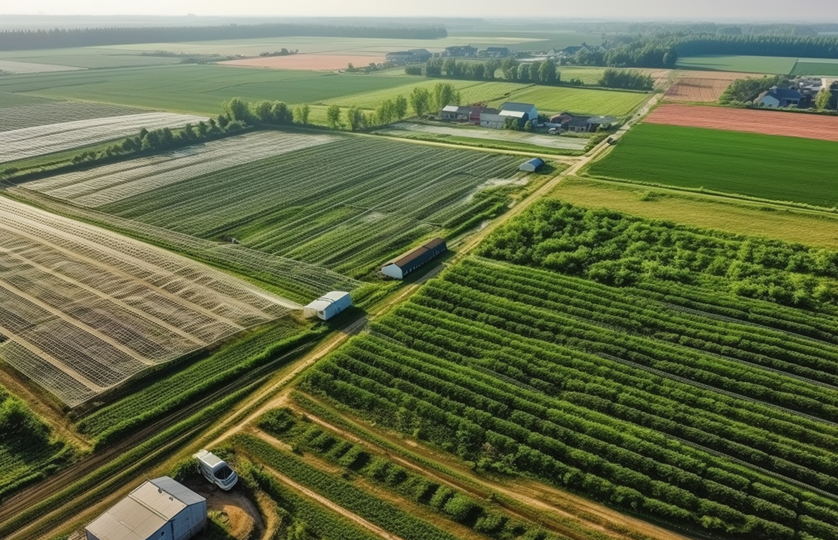
As March arrives in Raohe, the ice and snow melt away, leaving thin, long ripples across the surface of the Wusuli River. Rare migratory birds such as Oriental white storks and herons have returned north on time, flying to and fro over the wetland along the riverbank and adding vitality to this border town.
In recent days, police officers from the Tongjiang Border Police Station of the Shuangyashan Border Management Detachment have braved the spring cold to launch a special campaign for the protection of migratory birds in spring, according to a report from China News Service.
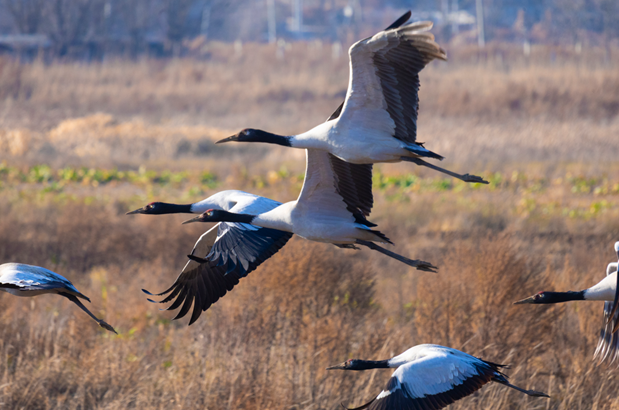
“Look, that is an Oriental white stork, a first-class national protected animal in China. It also settled in this area last year,” Zhang Ziyang, a police officer, pointed to a large bird with white feathers and black wings in the distance and said to his colleagues on March 20. To avoid disturbing these “guests”, they did not dare to get too close. Instead, they used a “new piece of equipment” — a drone lifted 50 meters into the air to transmit real-time images of the deep wetland.
At the same time, two groups of police officers on foot patrol carefully searched along the muddy tidal flats by the river, checking for any remaining hunting tools or poison baits. Meanwhile, patrol cars patrolled back and forth on the main road along the river, persuading irrelevant personnel who tried to approach the core habitat to leave. Ground patrol, vehicle patrol and air patrol formed an invisible protection network with “three-in-one” mode.
“The places where migratory birds stop are our key patrol areas,” Gao Feng, instructor of the Tongjiang Border Police Station, introduced. Every year, from mid-March to late April is a critical period for migratory birds to return north in concentration, and also a high-risk period for illegal hunting and disturbing birds.
To this end, the police station has arranged shifts scientifically, implementing all-weather and all-round control over the wetland along the Wusuli River to ensure that “no one can enter, no nets can be set up, and no birds can be startled.” The officers’ silent guardianship has created a safe haven for the migratory birds returning home.