Pear Blossom Festival Transforms Qinglong’s "Flower Event" into "Flower Market" for Rural Revitalization
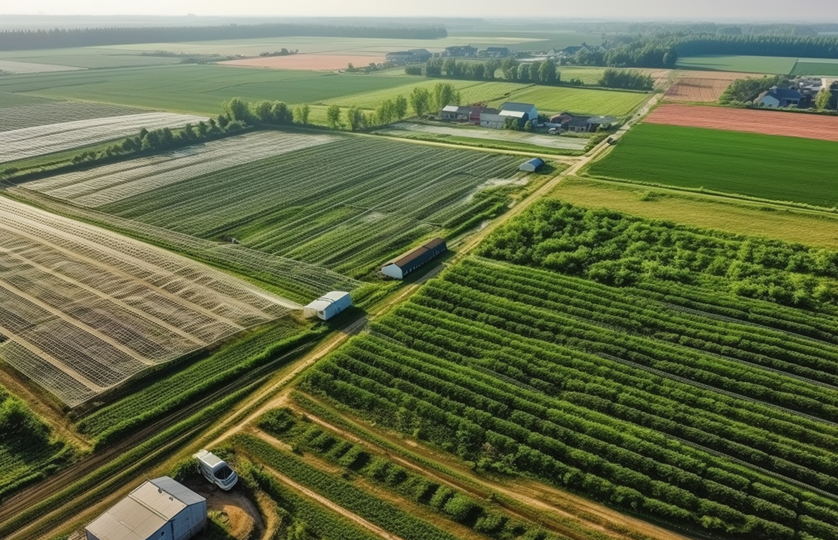
At the foot of the Great Wall on the eastern foot of the Yanshan Mountains, pear blossoms are in full bloom across the hillsides of Guanchang Township, Qinglong Manchu Autonomous County, Qinhuangdao City, Hebei Province. Tourists take photos among the flowers, while the mountain market is filled with the aroma of flowers and the shouts of vendors. A grand pear blossom feast is quietly transforming from a "flower event" into a "flower market", turning the fragrance of pear blossoms all over the mountains into a new driving force for rural revitalization, according to Hebei Daily.
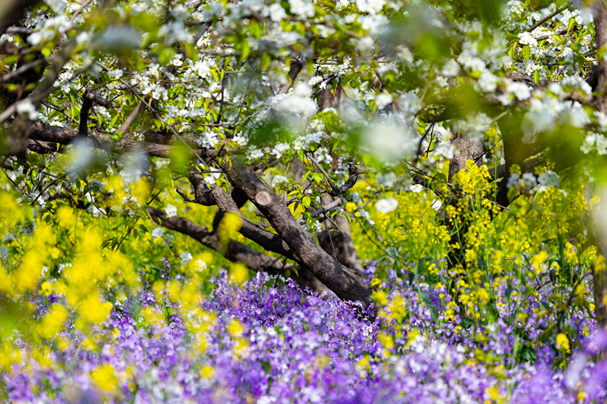
On April 11, the Gaode Smart Tourism · Rural Credit for Revitalization and Qinglong Guanchang Township Pear Blossom Festival, themed "A City of Pear Blossoms, Spring Fills Qinglong", kicked off grandly. 16,000 mu of pear orchards in full fruit-bearing period entered their best viewing period, with 5,000 century-old ancient pear trees covered with white flower spikes, complementing the winding ruins of the Ming Great Wall. Tourists from nearby areas flocked here, boosting the popularity of the mountain township in spring. The festival will last for 10 days, according to Qinhuangdao News Network.
This spring "flower event" has long gone beyond simple flower viewing and spring outings, becoming an important fulcrum for Qinglong to drive county-level consumption and industrial upgrading. The traffic brought by the festival is being converted into visible industrial growth along the chain of "viewing flowers — traveling — eating and accommodation — shopping — live streaming sales". Around the pear orchards, parking lots, viewing platforms and rural roads are crowded with people and vehicles, farmyards are filled with the aroma of home-cooked meals, and stalls are full of local specialties, with tourists shopping while wandering, endowing the "flower event" with a real "market flavor".
The event site is filled with a strong "flower market" atmosphere and bustling crowds, with multiple consumption experience areas heating up simultaneously, weaving a spring picture of "viewing pear blossoms, tasting folk customs and purchasing specialties". In the food area, glutinous bean buns and other coarse grain staples are steaming hot, and the tenderness of Qinglong old tofu and the fragrance of chestnut braised chicken fill the air, with tourists queuing up to taste them. In the specialty area, a variety of Qinglong’s high-quality products are displayed, including chestnut kernels, frozen chestnuts, chestnut drinks, millet, shiitake sauce, hawthorn strips, dried sweet potatoes, anli pears and aronia berries. Online celebrities conduct live streaming sales on site, bringing a steady stream of orders and helping mountainous specialties go out of the mountains and into the market with the help of the "flower event".
"I originally thought I would leave after taking photos, but I ended up wandering around the market, eating farm meals, and buying chestnuts and mushrooms to take back as gifts," said Guo Jun, a tourist from Tangshan. Han Lijun, Director of the Bureau of Culture, Tourism, Radio and Television of Qinglong Manchu Autonomous County, introduced that this year’s pear blossom festival emphasizes "consumable, portable and repurchasable" in addition to "viewing scenery".
With the joint launch of "online + offline" activities by Alibaba Public Welfare and Gaode Maps, functions such as online flower viewing, route navigation and location recommendation connect the 10,000-mu pear orchard and the Great Wall, facilitating "one-stop travel" for tourists and extending the festival’s influence to the online world. Currently, more than 10 licensed farmyards in Guanchang Township receive over 10,000 tourists per day, enabling local residents to find employment and increase their income at their doorsteps. In recent years, Qinglong has taken characteristic agriculture as the foundation and integrated agriculture, culture and tourism as the path, promoting the transformation of agricultural products from "selling raw materials" to "selling brands and experiences", and taking a new path of rural revitalization driven by the integration of agriculture, culture and tourism.