Beijing International Film Festival Bridges Cinema and City, Breathing New Life into Ancient Culture
The ongoing Beijing International Film Festival (BIFF) has forged a beautiful symbiosis between cinema and the city itself, as on-screen stories and Beijing’s iconic landscapes transcend the silver screen to become popular destinations for visitors worldwide. The event weaves the city’s historical heritage with its modern vitality, showcasing how an ancient capital preserves its roots while embracing progress through the power of film.
A standout example of this synergy is the Gongmenkou East and West Alleys at the foot of the White Pagoda, catapulted into the limelight by "Light of the White Pagoda" — a film that clinched five awards at BIFF’s Temple of Heaven Awards, including Best Actor and Best Screenplay. China Gongwang News reported that the film, which also gained acclaim at international film festivals in Busan and New York, depicts the Yuan Dynasty-era White Pagoda silently overlooking the joys and sorrows of alley life, revealing the unadorned charm and poetry of old Beijing.
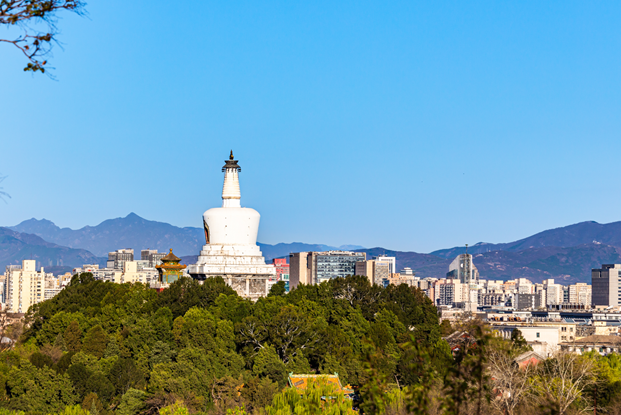
The Miaoying Temple White Pagoda, the best-preserved Yuan Dynasty Tibetan Buddhist pagoda in Beijing, and its surrounding alleys, once a royal thoroughfare during the Ming and Qing dynasties, have a history spanning over 700 years. Today, the alleys retain their authentic old Beijing style, with weathered gray walls, winding lanes, and courtyards adorned with flowers and gourd trellises, while new Chinese-style teahouses, coffee shops nestled in century-old pharmacies, and cultural and creative stores inject contemporary vitality.
The 150-year-old Baita Temple Pharmacy, for instance, blends traditional Chinese medicine with modern coffee, offering unique drinks like turtle jelly latte that refresh ancient formulas with trendy flavors. "We aim to let young people feel the charm of traditional culture through innovative combinations," said Li Na, manager of the pharmacy. The alley’s renewal has maintained its daily vitality, with veteran bicycle repairmen and long-standing grocery stores coexisting harmoniously with popular shops.
The Bell and Drum Towers, at the northern end of Beijing’s central axis, have also been revitalized by the film festival. Built in the Yuan Dynasty and renovated several times in the Ming and Qing dynasties, the towers have long been a symbol of the city’s rhythm and have featured in films such as "Hidden Man" and "Mr. Six". Recent open-air film screenings in the square below the towers have brought together tourists and locals, merging ancient architecture, daily life and film art under the twilight sky.
Qianmen Dashilan, the birthplace of Chinese cinema, holds a special bond with film. In 1905, China’s first film "Dingjun Mountain" was screened at the Daguanlou Cinema here, marking the start of China’s film industry. During BIFF, the area hosts classic film screenings and film-themed markets, attracting visitors to its ancient slate roads, time-honored shops and trendy cultural spaces.
From the White Pagoda in the alleys to the historic cinema in Qianmen, and from the Bell and Drum Towers to cultural and creative districts like 798 Art Zone, BIFF has illuminated Beijing’s unique charm — a city where historical heritage nurtures modern development, and film serves as a bridge between the past and the present. This symbiosis not only enriches the city’s cultural landscape but also allows the world to better appreciate the beauty of an ancient capital’s inheritance and innovation.