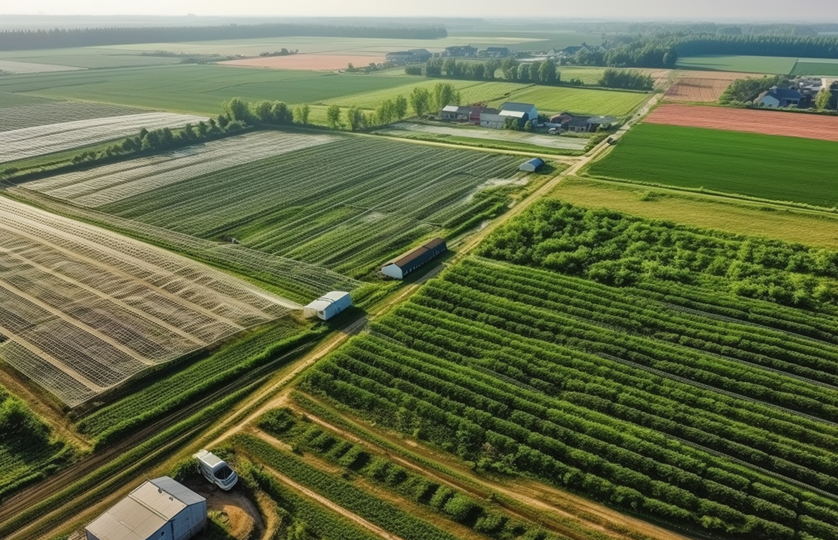
Guidance Released for Fruit, Vegetable and Tea Production Amid High Temperature and Drought
It is predicted that phased or persistent high temperatures will occur in parts of North, Northwest, Southwest, Central and East China in the near future, with meteorological drought likely to develop in some areas. To mitigate the adverse impact of such disastrous weather on horticultural crop production, relevant authorities have formulated and released technical guidance for fruit, vegetable and tea production to cope with high temperature and drought.
For vegetables, key measures include strengthening heat and drought resistance management and promoting autumn sowing. Shade nets, wet curtains and surface mulching are recommended to reduce direct sunlight and water evaporation, while drip irrigation or furrow irrigation should be adopted for emergency water supply, preferably in the morning or evening to avoid waterlogging. Pest and disease control should be carried out in cool hours with high-efficiency, low-toxicity and low-residue pesticides. Mature vegetables should be harvested in a timely manner to minimize economic losses. For autumn sowing, high-temperature shed disinfection, water and fertilizer integration, and sowing of drought-resistant leafy vegetables are encouraged, along with seedling protection and shade measures.
For fruit trees, rational irrigation is essential to lower soil temperature and alleviate drought damage, using sprinkler, micro-sprinkler or drip irrigation in the morning or evening. Soil management such as loosening, grass retention and surface mulching can reduce surface temperature and slow water evaporation. Proper pruning, pest monitoring and timely harvesting of mature fruits are also required. In addition, measures should be taken to prevent sudden floods after drought, and post-damage recovery includes stable soil moisture maintenance, foliar fertilization, pruning of dead branches and timely seedling replacement.
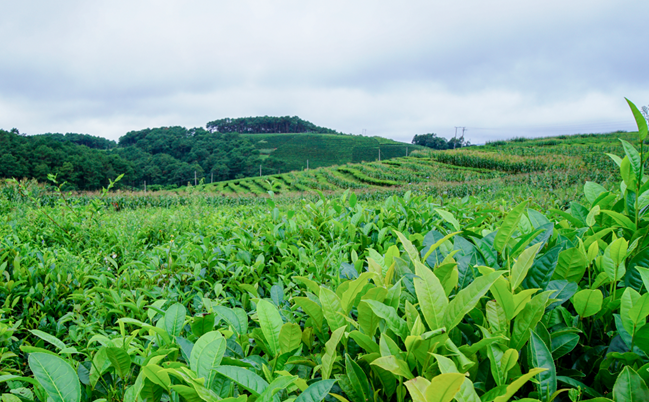
For tea gardens, shade net coverage (at least 50cm above tea plants) and inter-row straw mulching are recommended to resist high temperature and drought. Water-saving irrigation facilities should be prepared in advance, and irrigation should be carried out in the morning or evening when soil moisture drops or high temperatures persist. Post-damage recovery involves pruning damaged branches, timely seedling replenishment, rational fertilization and retention of autumn tea to restore the crown.
The release of this technical guidance provides practical support for farmers to cope with high temperature and drought, helping to stabilize the production of fruits, vegetables and tea, and ensure the stable development of related industries.