China’s Under-Forest Economy Enters Strategic 2.0 Phase as Policy and Demand Align
Under-forest economy has once again been inscribed in this year’s Government Work Report, solidifying its status as a national strategic priority following its inclusion in central No. 1 documents and the 15th Five-Year Plan proposals. This elevation reflects its dual role in meeting diversified public demand and advancing rural vitalisation.
Against a backdrop of shifting consumer preferences from sufficiency to quality, under-forest industries have emerged as a key provider of premium, eco-friendly goods and services. Forest foods, authentic medicinal herbs and ecological landscapes now enrich people’s daily lives, with products like birch sap, Ganoderma lucidum and forest-grown fungi becoming festive staples and e-commerce sensations. In 2025, birch sap ranked among the fastest-growing plant-based beverages on major digital platforms, with a single industry expo in Heilongjiang securing 420 million yuan in procurement deals. Nationwide, forest food output exceeds 240 million tonnes, making it China’s third-largest food category after grain and vegetables.
Policy support has tracked this momentum. Provisions for developing economic forests and forest food resources were outlined in a 2024 State Council document on diversified food supply, while the 2026 central No. 1 document emphasised forest foods and bio-agriculture to upgrade the “vegetable basket” initiative. For traditional Chinese medicine (TCM), guidelines to enhance TCM quality have spurred the standardised cultivation of authentic medicinal herbs, with Guizhou’s Tianma gastrodia and Jilin’s ginseng forming strong regional brands. By 2024, woody medicinal herbs covered 62 million mu nationwide, yielding over six million tonnes, while under-forest cultivation of herbs generated an annual output value exceeding 100 billion yuan.

Ecological tourism and wellness services, anchored in forest landscapes, have further expanded domestic demand. Destinations like Heilongjiang’s Yichun offer integrated forest therapy, accommodation and dietary services, tapping into a silver economy projected to surpass 30 trillion yuan by 2035. Plans are underway to scale up nature education, flower cultivation and birdwatching, creating high-quality consumption scenarios for an ageing population.
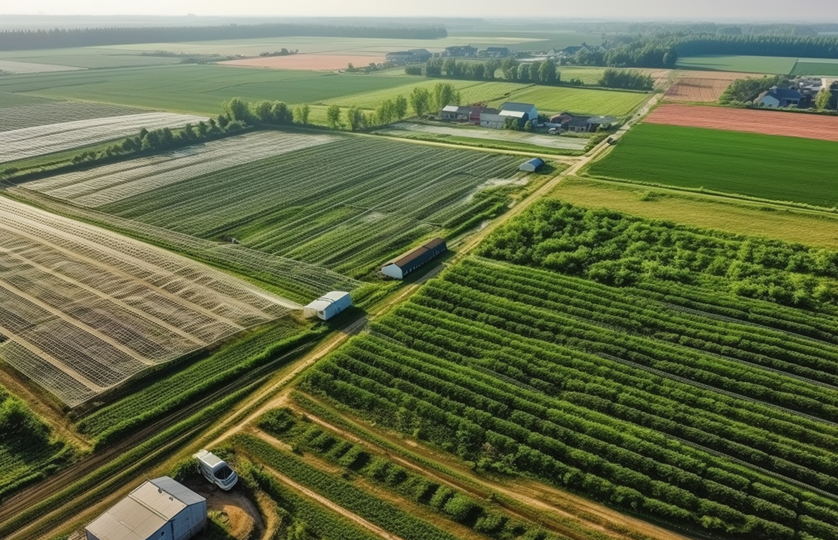
For rural communities, under-forest economy has become a robust engine for income growth. A chicken farm in central China transformed its breeding base into a scenic spot, welcoming 180,000 visitors in 2025 and boosting agri-product consumption to 38.5% of its total output value. In Ningxia, a beekeeper established a cooperative that lifted 150 households out of poverty, with collective honey sales reaching 3.2 million yuan in 2024. Nationwide, under-forest activities utilise over 600 million mu of woodland, engage 34 million people and generate an annual output value exceeding one trillion yuan.
This year’s Government Work Report signals a strategic shift, with a renewed focus on perfecting benefit-sharing mechanisms to ensure stable farmer incomes—marking a transition from the sector’s initial “1.0” phase of supporting collective forest tenure reform to a systematic “2.0” era. To address structural challenges such as low industrial scale and insufficient technological support, the National Forestry and Grassland Administration issued a landmark policy in December 2025, prioritising ecological protection while optimising development space and incentivising market players.
Local governments have swiftly translated these national guidelines into action. Fujian Province has introduced measures to liberalise forest resource management, support standardised under-forest economic zones and build integrated industrial chains for deep processing. Similar frameworks in Anhui, Liaoning and Beijing are tailoring strategies to local ecosystems, from ginseng cultivation to urban forestry.
As China enters a critical five-year window for under-forest economic growth, experts stress that high-quality development must remain central. Adhering to ecological thresholds, fostering competitive regional brands and improving production-sales systems will be pivotal to unlocking the full potential of forest resources—turning green assets into sustainable prosperity for both people and the planet.